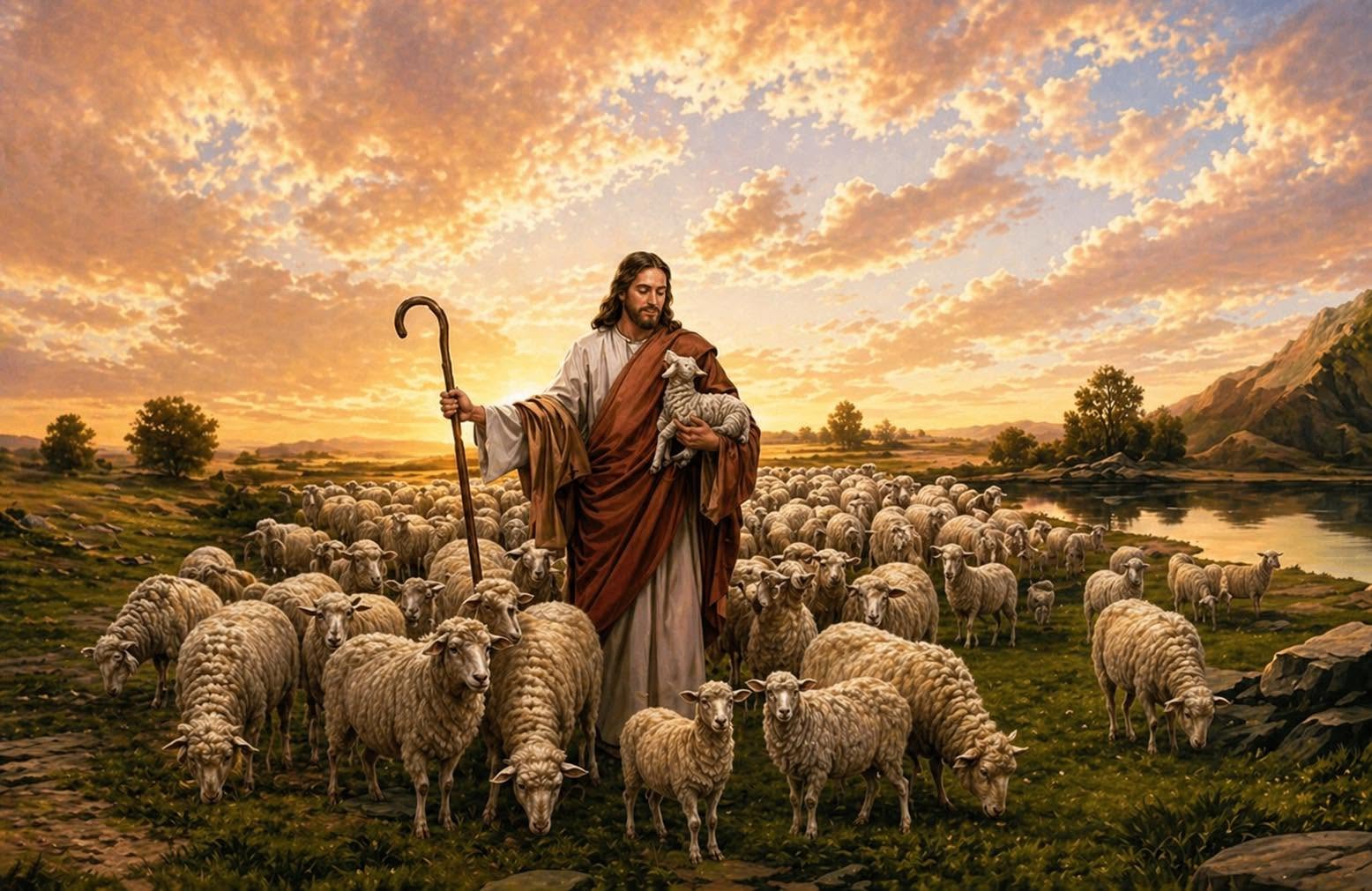
Solemnity of Corpus Christi

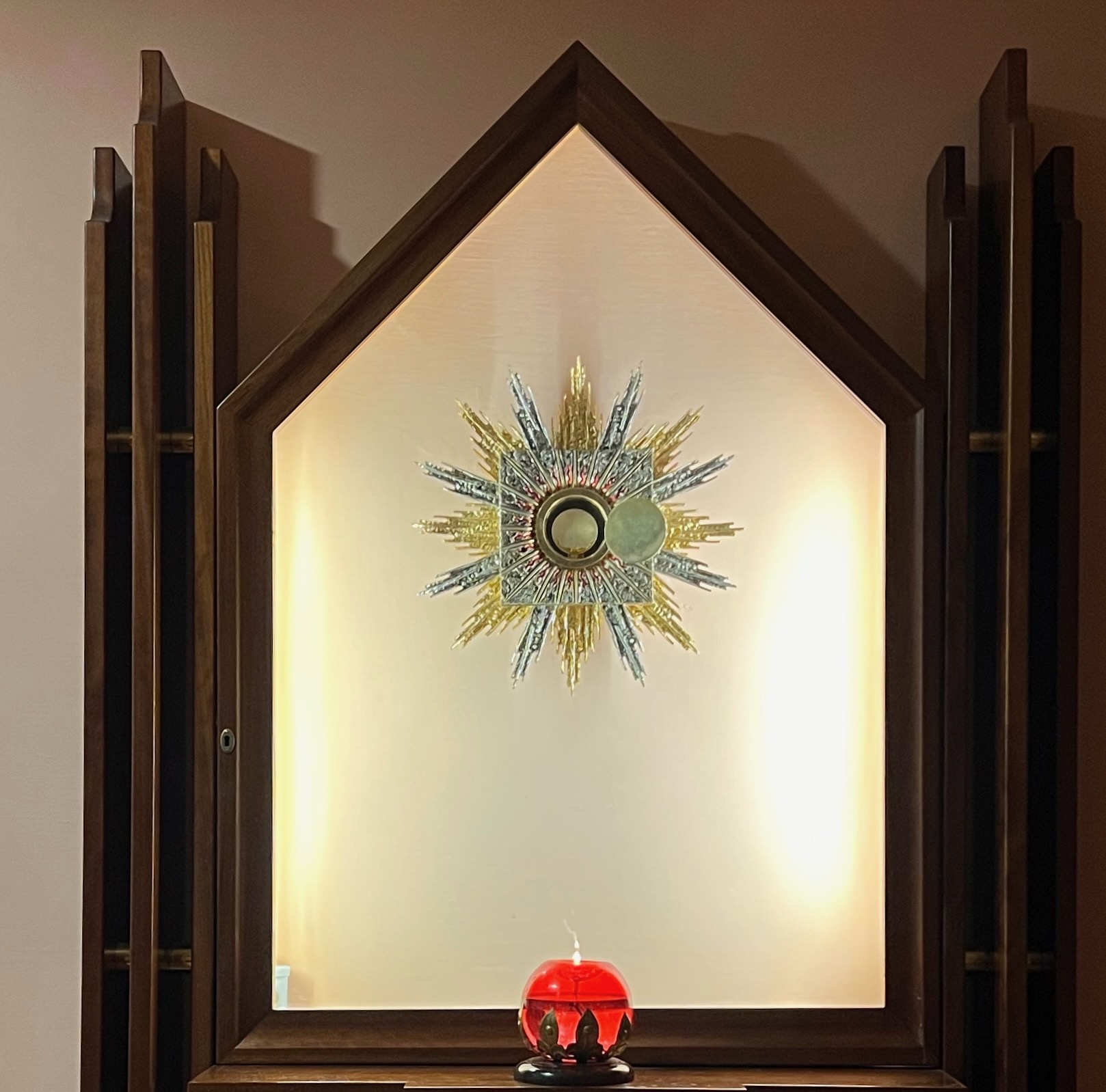
The Solemnity of Corpus Christi celebrates the Catholic belief that Jesus Christ is truly present in the Eucharist; Body, Blood, Soul and Divinity. The Church teaches that, through the words of consecration at Mass, bread and wine are transformed into Christ’s Body and Blood, a mystery known as transubstantiation. Christ gave us this sacrament so that His presence might remain with humanity throughout history, nourishing us spiritually, strengthening our faith, and guiding us on our journey towards eternal life with God

Pentecost Sunday

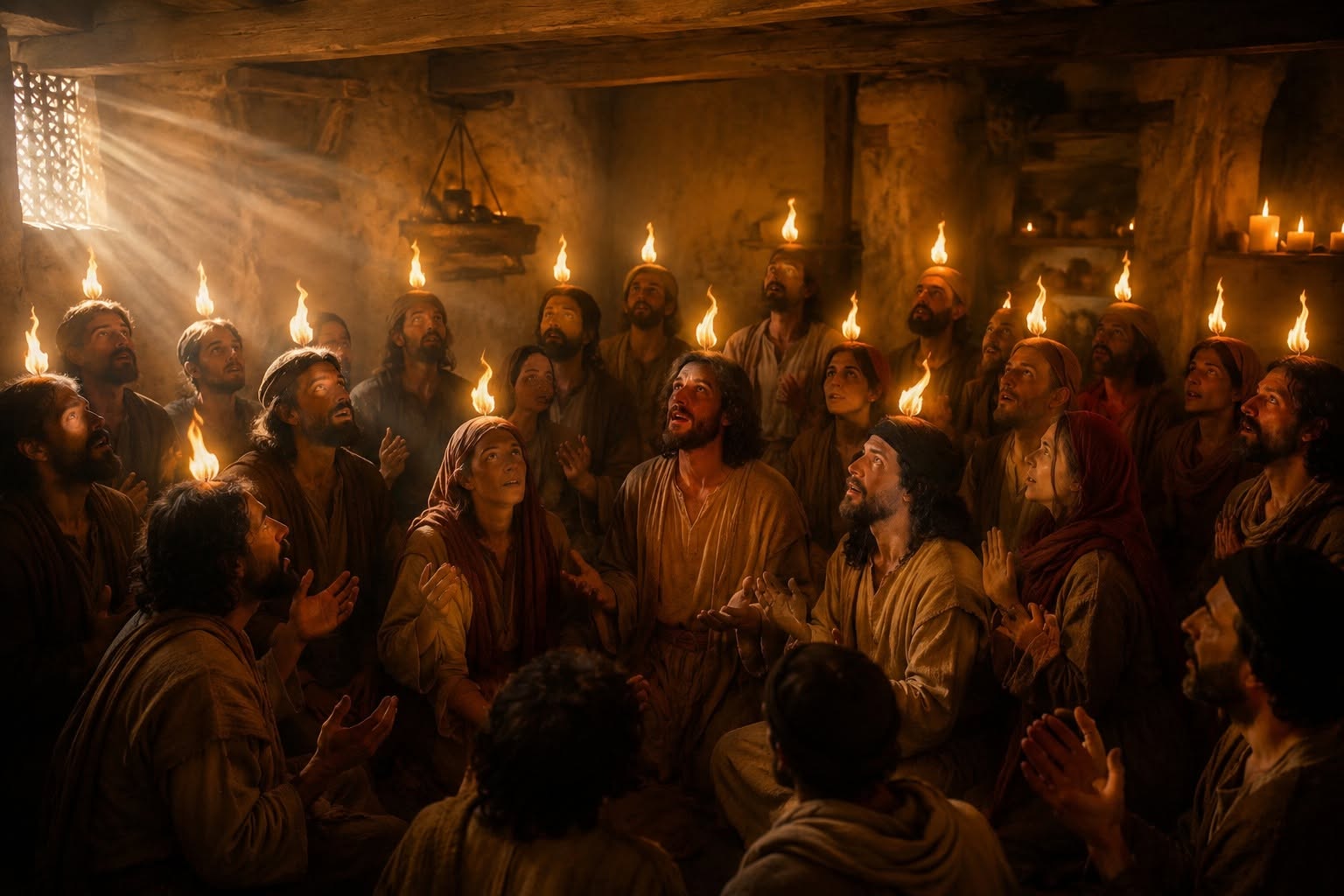
(a) At Pentecost, the disciples experienced that where the Holy Spirit is present, there is harmony and unity, while distance from God brings discord. Let us not be misled by the focus on languages. The message is clear: despite different nationalities and languages, they were united in the same mission and purpose.

(b) Jesus had already prepared the disciples for this moment. He told them He would return to the Father, yet promised they would not be left alone. Through the Holy Spirit, God would remain close to them, guiding and strengthening them in their mission and daily lives.

(c) Let us also not be misled by the symbolism of fire. The meaning is clear: the Holy Spirit gives strength and courage. We all need inner strength. Sometimes we turn to God when we are weak. But to go beyond our limits, we cannot be held back by emotional, mental, and physical weakness. Prayer helps us remain close to God and gives us courage to take our faith to a deeper level and proclaim it with faith.

(d) Despite this challenge, the message is reassuring: testimonies of faith can be shown by anyone, and not only by the “chosen” or the “few”. Starting from our ordinary life, relationships, our families, our participation in the Mass and receiving the Sacraments, and also through other visible acts of piety and gestures.

7th Sunday of Easter

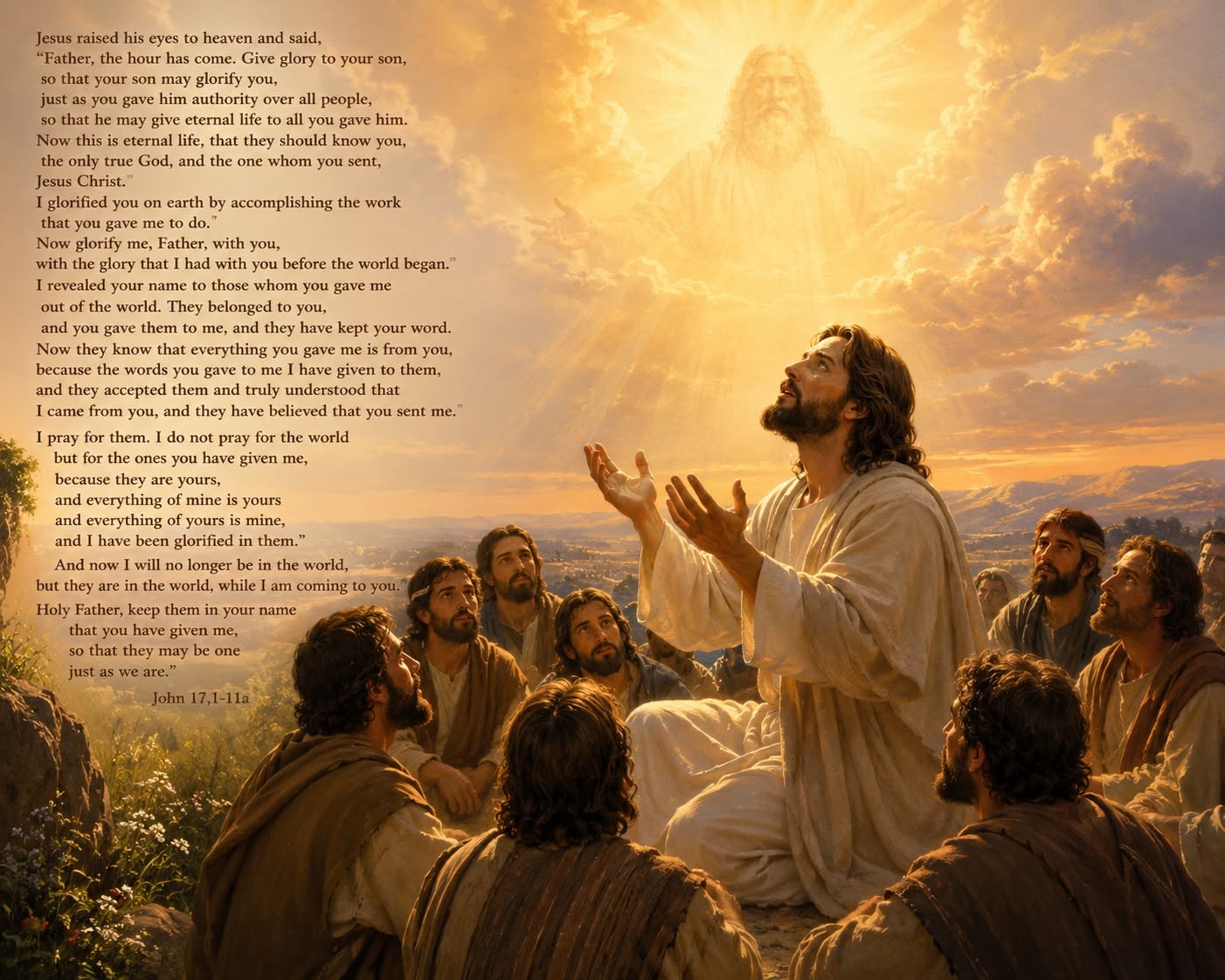
On the 7th Sunday of Easter, the Church invites us to lift our hearts and eyes towards Heaven as we contemplate the glorious mystery of the Lord’s Ascension. In the Holy Gospel according to Saint John, Jesus raises His eyes to the Father and prays with deep love and tenderness for His disciples: “Father, the hour has come. Glorify your Son, so that your Son may glorify you.” These sacred words reveal to us the heart of Christ, who, having accomplished the work entrusted to Him by the Father, now returns to the eternal glory which He shared with the Father before the world began.

The Ascension of the Lord is not a farewell, but the fulfilment of Christ’s victory over sin and death. Jesus ascends into Heaven as our eternal High Priest, continually interceding for His people before the Father. He reminds us that eternal life consists in truly knowing God and recognising Jesus Christ as the One sent by the Father for our salvation. In a world often distracted by earthly concerns, the feast of the Ascension gently reminds us that our true homeland is in Heaven, where Christ calls us to follow Him.

Before ascending into glory, Jesus lovingly prays for those whom the Father entrusted to Him. He asks that they may remain faithful, protected in the Father’s name, and united in charity and truth. The mission entrusted to the Apostles is also entrusted to us: to bear witness to Christ in our daily lives and proclaim His saving love to the world. Yet this mission cannot be fulfilled by human strength alone. Only through the grace of the Holy Spirit can our witness become authentic, fruitful, and filled with the light of Christ.

May we therefore strive, through prayer, devotion, sacrifices, and humble acts of piety, to remain deeply united with Christ, so that His presence may shine forth through our lives.

Therefore, the Church encourages us today to renew our closeness to Jesus through sincere prayer, meditation on His Holy Word, frequent Confession, and worthy reception of the Holy Eucharist. The more we remain united to Christ, the more our lives will glorify Him. May our words, actions, and example reflect the Gospel we profess, so that, strengthened by the Holy Spirit, we may become faithful witnesses of the Risen and Ascended Lord, who remains forever with His people and leads us towards the joy of eternal life.

5th Sunday of Easter

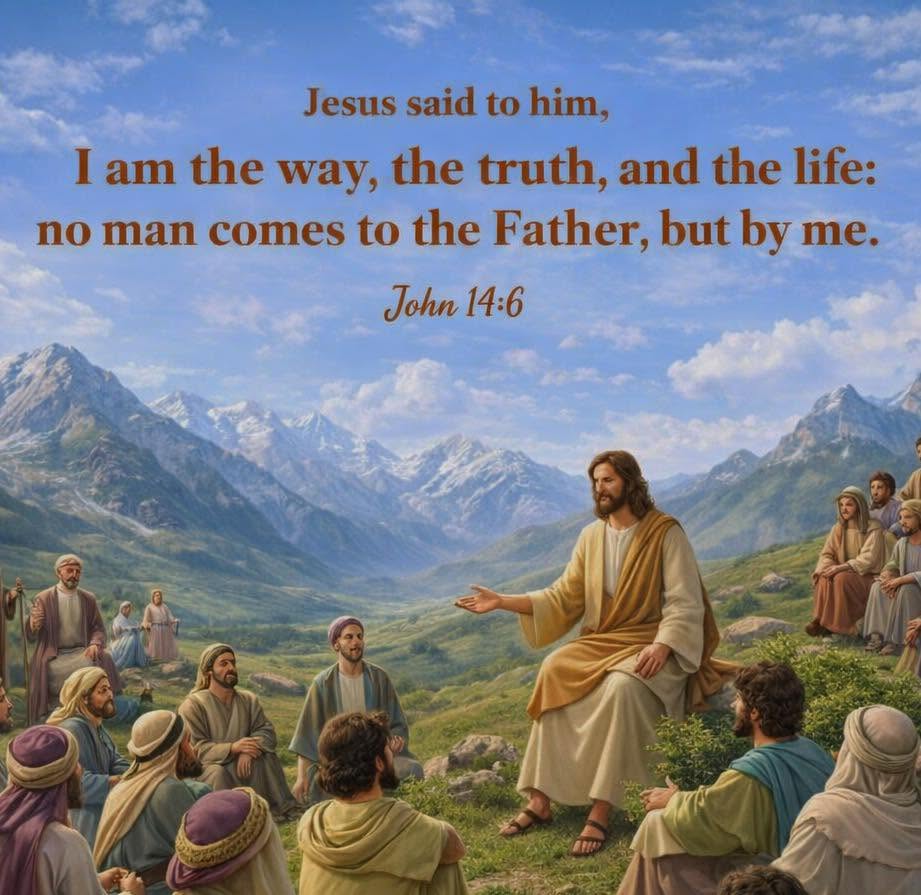
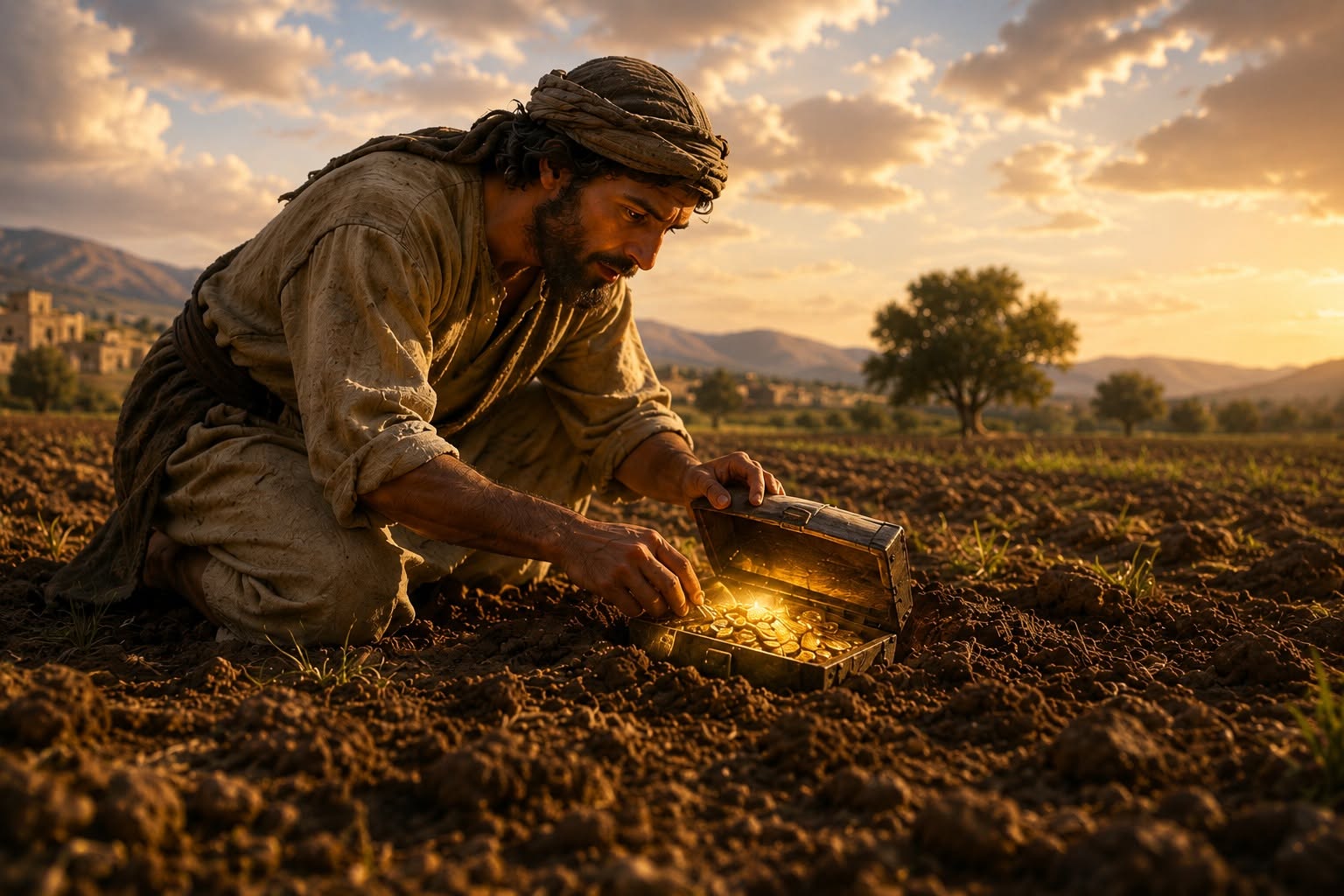
Today, when we need to go somewhere, we rely on artificial intelligence and online maps, simply following directions without truly knowing the road or the destination. In the past, we studied maps and understood the journey ahead. In the Gospel, Jesus assures His disciples that they know both the way and the destination. When they feel uncertain and lost, He offers a reassurance which remains just as relevant today: “I am the way and the truth and the life.” Jesus is not only our guide but also our destination, revealing the Father and granting eternal life. By following His example and living His teaching, we begin even now to share in that promised life, even if not yet in its fullness.

4th Sunday of Easter

Let us reflect on today’s Gospel and pray for vocations. Jesus speaks of the shepherd who guards his flock, entering by the gate and even laying down his body to protect the sheep. He contrasts this with false guides who offer easy answers and shallow promises without calling for true conversion. Like sheep, we can be easily misled, especially in spiritual matters, mistaking illusion for truth. Christ reminds us that he alone is the gate, the way, the truth, and the life. As leaders and as faithful people, we share the responsibility to seek truth with discernment, not relying unthinkingly on what is presented to us, but reflecting deeply in the light of the Gospel. True prayer and devotion must lead us to sincere change, generosity, and love for others. May we hear his call, support vocations, and respond faithfully. Lord, guide us always in your truth.

3rd Sunday of Lent

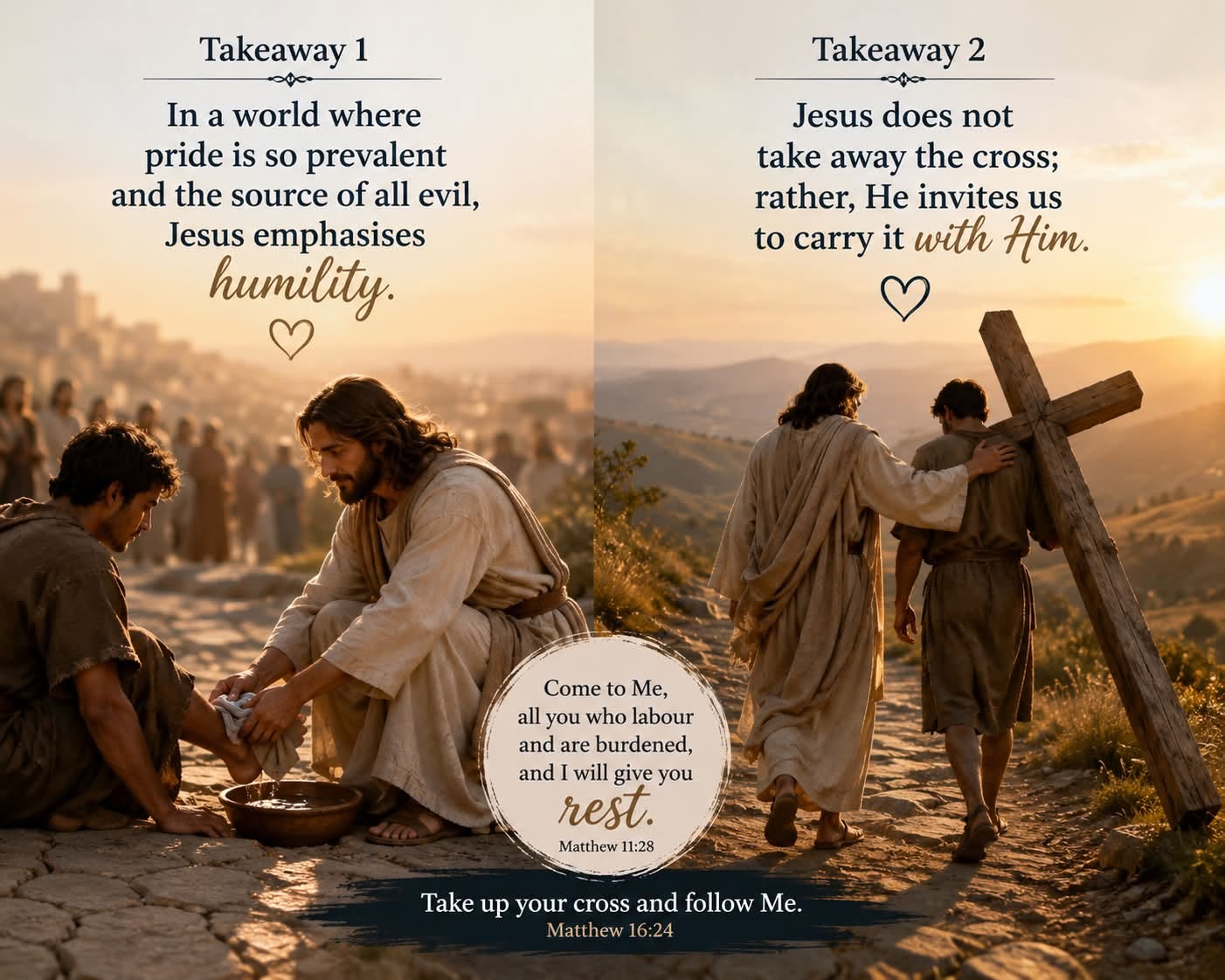
Today’s Gospel reminds us that the Christian message is not about prosperity or success, but about the cross. While the world often measures faith by blessings and comfort, Jesus shows that true faith can include struggle and sacrifice. But ultimately, let’s remember that the cross is a symbol of victory, so let us have the courage not to remain beneath it.

Like the Samaritan woman searching for water, we often seek fulfillment in things that cannot truly satisfy us. Only the “living water” that Jesus offers can fill the deepest thirst of our hearts and lead us to lasting peace and eternal life.

6th Sunday in Ordinary time – Year A

Lord Jesus Christ, open my heart to Your word today.

Teach me to love not only in big things

but in the small choices of each day,

in my words, my thoughts, and my actions.

Cleanse my heart from anger,

heal what is broken in my relationships,

and give me the courage to seek peace and forgiveness.

Help me to love others with the same mercy

that You show to me.

Strengthen me through this Eucharist

so that I may follow You with sincerity,

living not by the minimum,

but by the fullness of love You call me to.

Amen

30th Sunday in Ordinary Time — Year C

As in today’s parable (Thirtieth Sunday in Ordinary Time) it’s easy to fall into the trap of pride, whether we are believers or not. Those who don’t pray might convince themselves they don’t need God. As Catholics our knowledge of the Scriptures, reciting of novenas, or adherence to our respective groups, might create a false sense of superiority. Jesus reminds us that true righteousness lies in humility. Let’s step out of our comfort zones, acknowledge our need for mercy and quiet our hearts so we can truly listen to what He has to say.

See less

18th Sunday in Ordinary Time — Year C

Lord Jesus, You who see the heart and not the outward wealth, teach us to be rich not in possessions, but in Your sight. Like the man in the Gospel who built larger barns to store his goods, we too are tempted to find our security in what we own. But You remind us that life does not consist in an abundance of things. Strip away from us the illusion that more will satisfy us. Help us instead to seek what truly matters: a heart at peace, a spirit open to Your grace, and a life grounded in love. May we not be fools in Your eyes, storing up treasures for ourselves while forgetting what is eternal. Teach us to value today, to live generously, and to place our trust not in wealth, but in You alone. Amen.

IL-POETI TA’MALTA JITKELLMU BIL-LINGWA BELARUSSA – Kitba ta’ Yana Psaila

Dan sar possibbli grazzi għall-kuntatti fil-qasam tal-letteratura li qed jiżviluppaw bejn il-popli ta’ Malta u l-Belarus. Is-sena l-oħra l-qarrejja Maltin diġà saru familjari mal-poeżija tal-klassiċi Belarussi, fosthom Francysk Skaryna, Yanka Kupala, Yakub Kolas u oħrajn, kif ukoll fir-rivista “Sagħtar” ġiet ippubblika t-tielet storja tal-kittieb famuż tat-tfal tal-Belarus Ales Karlyukevich.

Il-letteratura Maltija ġiet ippreżentata għall-ewwel darba fil-Belarus fit-XXX Fiera Internazzjonali tal-Ktieb li saret fil-belt kapitali ta’ Minsk f’Marzu tas-sena l-oħra. Poeżiji ta’ poeti Maltin bir-Russu dehru fl-almanakk “Созвучие” (Sożvuċie) li ħareġ għal dal-avveniment sinifikanti fil-ħajja kulturali tal-pajjiż. U issa qed naraw it-tkomplija tar-rabtiet letterarji bejn il-popli tagħna. Fil-gazzetta letterarja popolari “Літаратура і мастацтва” (Literatura i mastaztva) ħarġu għall-ewwel darba l-poeżiji ta’ Omar Seguna, Adrian Grima, George Peresso, Oliver Friggieri, Immanuel Mifsud, Louis Briffa u Charles Coleiro bil-lingwa Belarussa.

Ta’ min jinnota li fil-Belarus hemm għexieren ta’ diversi perjodiċi, fosthom dawk li huma tassew meqjusa bħala l-aktar importanti fid-dinja letterarja tar-repubblika u li joħorġu, bħall-gazzetta msemmija aktar ’il fuq “Літаратура і мастацтва”, taħt l-awspiċi tal-Għaqda Kittieba Belarussi.

L-eqdem rivista ta’ kull xahar hija “Полымя” (Polimja), ilha toħroġ minn Diċembru tal-1922. Kienet inbdiet bis-sehem attiv ta’ Yanka Kupala, Yakub Kolas u klassiċi oħra tal-letteratura tal-Belarus. Rivista oħra skont l-ordni kronoloġika hija “Нёман” (Njoman) li twieldet fl-1945. Toħroġ bil-lingwa Russa. Mhux inqas famużi huma r-rivista “Маладосць” (Maladost), ir-rivista għaż-żgħażagħ “Бярозка” (Bjarożka), ir-rivista għat-tfal “Вясёлка” (Vjasolka), ir-rivista ambjentali “Родная прырода” (Rodnaja priroda)u r-rivista għan-nisa “Алеся” (Alesya). Dawn il-perjodiċi saru ferm popolari bis-saħħa tal-istaff editorjali u, fuqkollox, grazzi għall-edituri prinċipali tagħhom. Jekk nieħdu, pereżempju, ir-rivisti bħal “Полымя”, “Нёман”, “Маладосць” u “Бярозка” se ninnotaw li fi żminijiet differenti ħadmu fihom u mexxew il-bordijiet editorjali kaptani ewlenin tal-letteratura Belarussa ta’ diversi ġenerazzjonijiet bħal Rygor Borodulin, Viktor Shnip u Ales Badak.

Rygor Borodulin (1935-2014) huwa poeta, esejist, traduttur. Xogħlijietu jisspikaw bil-varjetà ta’ ġeneri u rikkezza tal-lingwa użata. It-teżori tal-arti folkloristika orali, li ġie indokrat minnhom fi tfulitu, saru ħamrija fertili li fuqha kibret individwalità kreattiva unika. Il-kitbiet tiegħu jikxfu għajn ħaj tas-sbuħija tal-lingwa u l-għerf tal-poplu bit-tradizzjonijiet u d-drawwiet tiegħu. B’kollox ġew ippubblikati madwar 70 ġabra tat-xogħlijiet ta’ Rygor Borodulin. Sar rebbieħ ta’ numru ta’ premjijiet, ingħata ordnijiet u midalji, u kien l-aħħar Belarussu li ngħata t-titlu ta’ poeta nazzjonali (1992). Fl-2006 l-kandidatura tiegħu ġiet inkluża fil-lista ta’ nominati għall-Premju Nobel fil-Letteratura.

Victor Shnip (1960) huwa kittieb, traduttur, awtur tal-kanzunetti. Huwa ukoll l-awtur ta’ aktar minn għaxar kotba tal-poeżija. Għadd ta’ testi poetiċi ġew mużikati mill-gruppi rock tal-Belarus. Sar rebbieħ ta’ numru ta’ premjijiet letterarji u ngħata medalji.

Ales Badak (1966) huwa kittieb, pubbliċist, kritiku letterarju u awtur tal-kanzunetti. Promotur attiv tal-letteratura għat-tfal, wieħed mill-organizzaturi tal-klabb kittieba għat-tfal, jikteb għalihom ħafna poeżiji, stejjer u ħrejjef. Huwa l-awtur ta’ aktar minn għaxar ġabriet ta’ poeżiji. Fil-bidu tad-disgħinijiet kiteb numru ta’ testi poetiċi li ġew mużikati minn kantanti famużi tal-Belarus. Huwa ukoll rebbieħ ta’ numru ta’ premjijiet letterarji, ordnijiet u midalji.

Kif nistgħu naraw skont in-numru ta’ esejs u premjijiet l-edituri ta’ dawn ir-rivisti letterarji mhux biss urew lilhom infushom bħala organizzaturi kapaċi tal-proċessi tal-pubblikazzjoni, iżda taw prova wkoll li huma stess artisti tal-kelma eċċellenti. Hawn xi eżempji tal-kreattività poetika ta’ kull wieħed minnhom.

Ġnien Sigriet   Hemm, fejn il-linja rqiqa tax-xefaq Tgħaqqad is-smewwiet mal-art, Jikber ġnien sigriet fis-skiet U li nafu bih int u jien biss.   Hemmhekk dejjem jilqgħuna anġli Bl-għanja li tinstama’ qisha mill-bogħod. U niġi miegħek fih Biex nadura rkopptejk,   Xofftejk u leħnek Bil-gratitudni silenzjuża Talli huma għadhom qegħdin miegħi Bħas-sema u bħall-art flimkien f’dak ix-xefaq.   X’meravilja dan il-post sigriet! In-nies iħaffu lejn l-għelieqi tagħhom, Imbagħad jiġu lura Imma ħadd ma jara l-ġnien tagħna!   U ma rridu ninsew qatt Quddiem insulti jew xi għajb Li għalina biss qed iħaxwex dan il-ġnien Sakemm jien u int għadna flimkien.     Ales Badak (Traduzzjoni mill-Belarussu ta’ Yana Psaila)  Il-Ġnien tas-Solitudni Eterna   Irrid nibki għax dis-solitudni eterna Nfirxet ġmielha taħt is-sema tiegħi. Minn fuq siġar itir weraq niexef, U minn ħuġġieġa joħorġu xrar u duħħan.   Riħ iqabbad dwejjaq f’dal-ġnien li ntesa, Siġar antiki qishom ħabsin. Ferħ ftit li xejn jinħass f’Novembru, Ngħajjat u nibki biss irrid jien.   Bla kliem nixħet il-weraq lejn il-ħuġġieġa; Telgħin dħaħen li  jmutu fis-sħab, Ħdejn il-ħajt kiber ħafna ħaxix, Sfar u se jibqa’ hemm mejjet għal dejjem.   Nħalli dal-ġnien u mmur lura d-dar Imma serħan mhu se nsibu mkien. Naf li se noħlom biż-żmien meta l-weraq imut, Ċert li se noħlom bil-ġnien minsi u mitluq.   Victor Shnip (Traduzzjoni mill-Belarussu ta’ Yana Psaila)  Rumanz   Stennejtek mir-rebbiegħa sa ma xagħri abjad, Bħal priġunier dejjiem jistenna ż-żerniq. Kultant kont iżżurni f’ħolma ta’ billejl, Imbiegħda bħal kewkba teptipija.   Dort kważi d-dinja kollha nfittxek, U f’kull żagħżugħa skonoxxuta Int, sublimi, kont u ma kontx. U fl-ilmijiet għoljin tax-xmara bil-ħeffa għaddejjin Fir-rebbiegħa, ukoll, kont nara lilek.   Sejjaħtlek imma leħni siket Quddiem sbuħija li sekli sħaħ ma rawx bħalha. Bdejt nimxi warajk bħal dellek, Dlonk qabad igħib dad-dell; Il-kliem t’ammirazzjoni ma baqax jinstema’.   Kont ngħix bis-stennija u għadni nagħmel dan, Nittama li niltaqgħu mank fix-xitwa. Qiegħed inbaxxi rasi bajda silġ U nirringrazzjak ta’ dan il-ħolm taż-żgħożija…   Rygor Borodulin (Traduzzjoni mill-Belarussu ta’ Yana Psaila)  

 P.S.

Fl-2024 l-Għaqda Kittieba Belarussi tiċċelebra d-90 anniversarju. Il-formazzjoni organizzattiva tagħha saret fil-kungress tal-kittieba f’Ġunju tal-1934. L-ewwel president mill-1934 sal-1938 kien Mihas Klimkovich, li kien kiteb l-innu nazzjonali. Mindu twaqqfet sal-ġurnata tal-lum 18-il persuna ngħataw it-titlu tal-kittieba tal-poplu l-poeti tal-poplu tal-Belarus. Ix-xogħlijiet ta’ wieħed mill-fundaturi ta’ dil-Għaqda, Yanka Kupala, ġew tradotti f’aktar minn 100 lingwa tad-dinja. Fiċ-Ċina biss ħarġu aktar minn għaxar rumanzi ta’ Ivan Shamyakin maqluba għaċ-Ċiniżi. Fir-Russja, l-Istati Uniti, l-Iżrael, iċ-Ċina u l-Użbekistan twaqqfu l-monumenti għall-klassiċi tal-letteratura Belorussa Yanka Kupala u Yakub Kolas.

Il-paġna tagħna minn żmien għal ieħor tlaqqa’ lill-qarrejja max-xogħlijiet tal-poeti Belarussi. Nawgurawlhom f’dan l-anniversarju u nifirħu lill-membri kollha u liċ-chairman attwali Ales Karlyukevich. Xewqat sbieħ għal aktar suċċessi u l-iżvilupp ta’ rabtiet fil-qasam letterarju mal-pajjiżi oħra madwar id-dinja.