Main teachings of St. Thomas Aquinas (1225–1274)
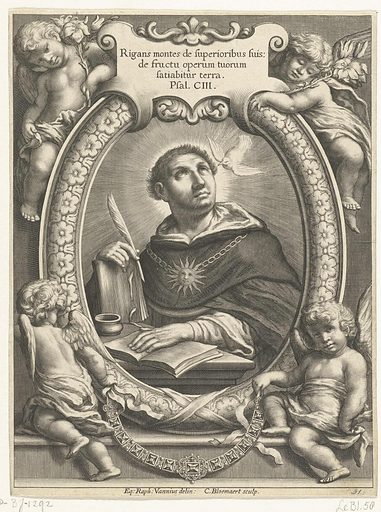
1. Faith and Reason Work Together
- Truth comes from both reason (philosophy) and revelation (Scripture).
- There is no real conflict between faith and reason because both come from God.
- Human reason can discover many truths about God, but some mysteries (e.g. the Trinity) require revelation.
2. The Five Ways (Proofs for God’s Existence)
In his major work, Summa Theologiae, Aquinas proposed five arguments for God’s existence:
- Argument from Motion: Everything moved is moved by another, therefore there must be an Unmoved Mover.
- Argument from Cause: Every effect has a cause, therefore there must be a First Cause.
- Argument from Contingency: Contingent beings exist, therefore there must be a Necessary Being.
- Argument from Degrees: Degrees of goodness and truth imply a Supreme Standard.
- Argument from Design: Order and purpose in nature imply an Intelligent Designer.
3. Natural Law
- God created the world with a rational order.
- Humans can use reason to discover moral laws built into nature.
- Core moral principle: Do good and avoid evil.
- Natural law applies to all people, not only Christians.
4. Human Nature and the Soul
- Humans are a unity of body and soul.
- The soul is the form of the body.
- The soul is immortal.
- Humans are rational beings made in God’s image.
5. Virtue Ethics
- The moral life is about developing virtues, understood as good habits.
- Cardinal virtues: prudence, justice, temperance and fortitude.
- Theological virtues: faith, hope and charity, given by God.
- The ultimate goal of life is beatitude, true happiness found in God.
6. Grace and Salvation
- Humans require God’s grace to achieve salvation.
- Grace perfects nature; it does not destroy it.
- Salvation involves cooperation between human free will and divine grace.
7. Just War Theory
- War can be morally justified if declared by legitimate authority.
- It must be for a just cause.
- It must be fought with right intention.
- It should be a last resort and proportionate.
8. Law Theory
- Eternal Law: God’s divine plan for creation.
- Natural Law: Human participation in the Eternal Law.
- Human Law: Laws created by governments.
- Divine Law: Law revealed through Scripture.
Main teachings of St. Teresa of Avila (1515–1582)
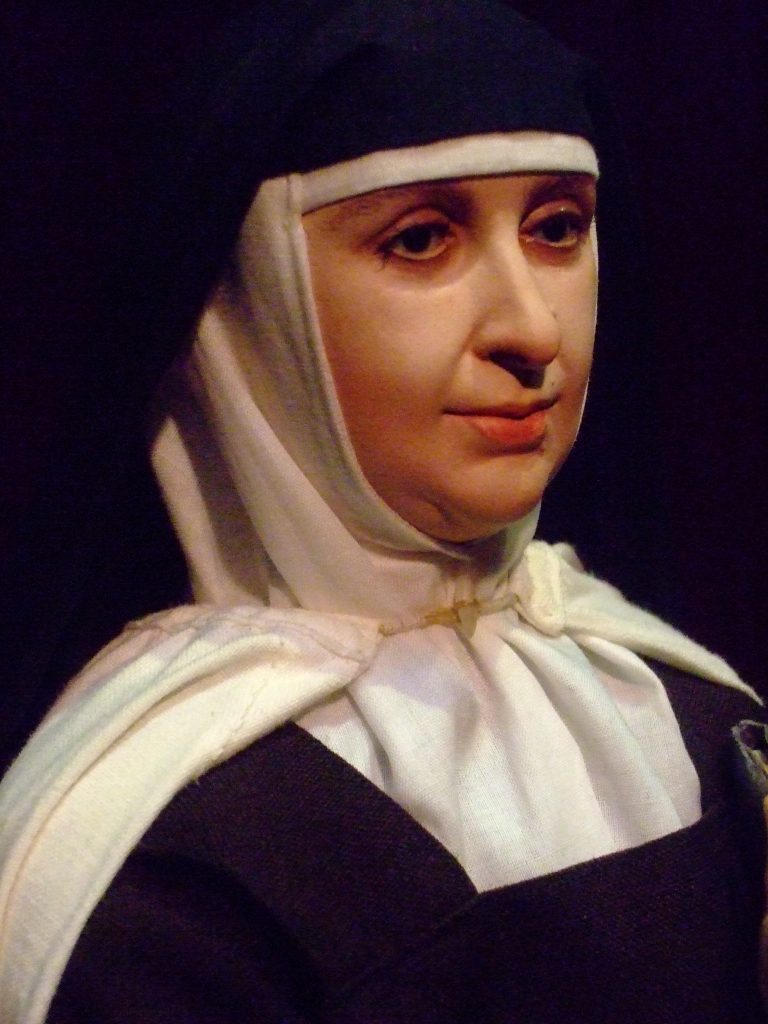
1. Mental Prayer (Interior Prayer)
- Mental prayer is a close, personal conversation with God.
- Prayer is not just reciting words but loving attentiveness to God.
- Regular, disciplined prayer is essential for spiritual growth.
2. The Interior Castle
In her major work, The Interior Castle, she describes the soul as a castle with seven dwelling places.
- The soul is like a crystal castle with many rooms.
- Spiritual growth is a journey inward towards deeper union with God.
- The final dwelling place is full union with God through transforming love.
3. Growth in Stages
- The spiritual life develops gradually.
- Early stages involve effort and discipline.
- Later stages involve greater surrender to God’s action.
- True progress is marked by humility and love, not extraordinary experiences.
4. The Importance of Humility
- Humility is the foundation of the spiritual life.
- Self-knowledge and awareness of one’s weaknesses lead to dependence on God.
- Pride blocks spiritual growth.
5. Detachment
- Detachment from worldly attachments is necessary for deeper prayer.
- This includes freedom from excessive concern for comfort, honour or possessions.
- True freedom allows the soul to belong entirely to God.
6. Love and Charity
- The surest sign of spiritual growth is love of neighbour.
- Authentic mystical experiences lead to greater service and charity.
- Love must be practical and active.
7. Reform of the Carmelite Order
- She reformed the Carmelite Order to return to simplicity and poverty.
- Emphasised small, prayerful communities.
- Stressed discipline, silence and contemplation.
8. Suffering and Perseverance
- Trials and dryness in prayer are normal.
- Perseverance in prayer is essential, even when it feels difficult.
- Suffering can deepen trust and union with God.
Main teachings of St. Augustine of Hippo (354–430)
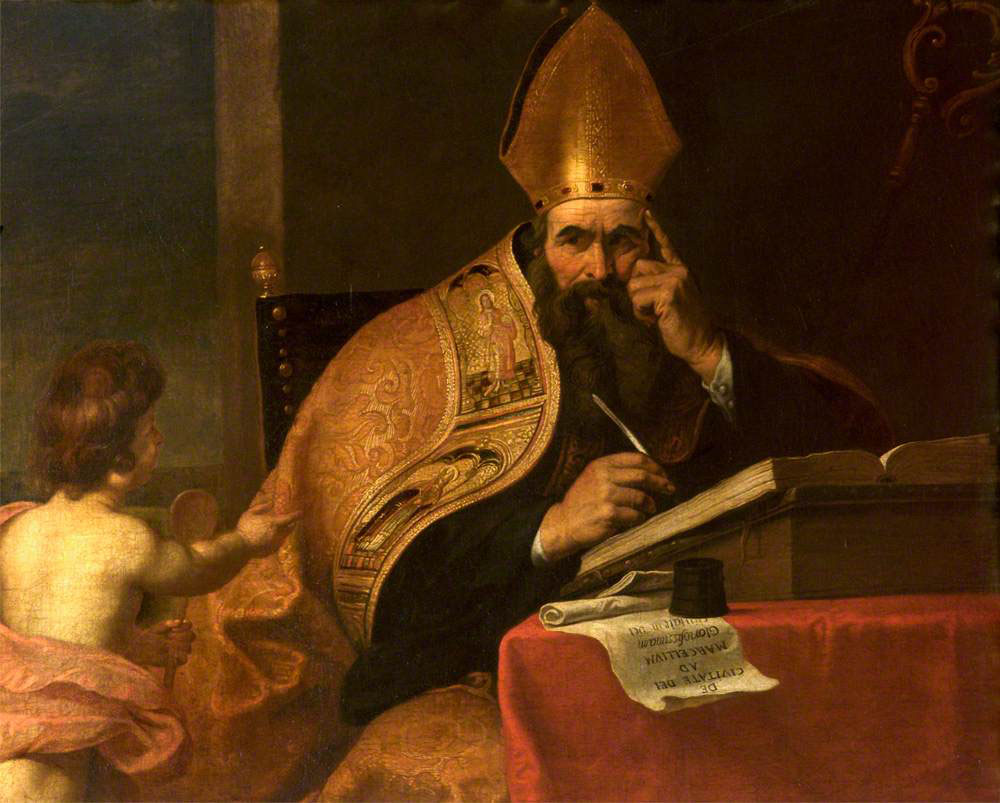
1. God and Truth
- God is the highest truth and ultimate reality.
- Humans are restless until they find rest in God.
- True happiness is found only in union with God.
2. Faith and Reason
- Faith and reason work together.
- Belief often comes before full understanding.
- Reason helps deepen and clarify faith.
3. Original Sin
- Humanity inherits original sin from Adam and Eve.
- Original sin affects human nature and weakens the will.
- Humans cannot save themselves without God’s grace.
4. Grace
- Salvation depends entirely on God’s grace.
- Grace heals and strengthens the human will.
- Divine grace is necessary for any truly good action leading to salvation.
5. Free Will
- Humans possess free will.
- Sin results from the misuse of free will.
- After the Fall, human freedom is damaged and needs grace to choose the good fully.
6. The Problem of Evil
- Evil is not a substance or created thing.
- Evil is a privation of good, a lack of goodness where it should be.
- God allows evil but brings greater good from it.
7. The City of God
In his major work, The City of God, Augustine teaches:
- There are two “cities”: the City of God and the Earthly City.
- The City of God is formed by love of God.
- The Earthly City is formed by love of self.
- Human history is a spiritual struggle between these two loves.
8. The Trinity
- God is one substance in three Persons: Father, Son and Holy Spirit.
- The Trinity can be partially understood through analogies (e.g. memory, understanding and will).
- The Trinity reflects perfect unity and love.