This page is aimed to help pilgrims in their spiritual journey and shows photos taken during my private / group pilgrimages.
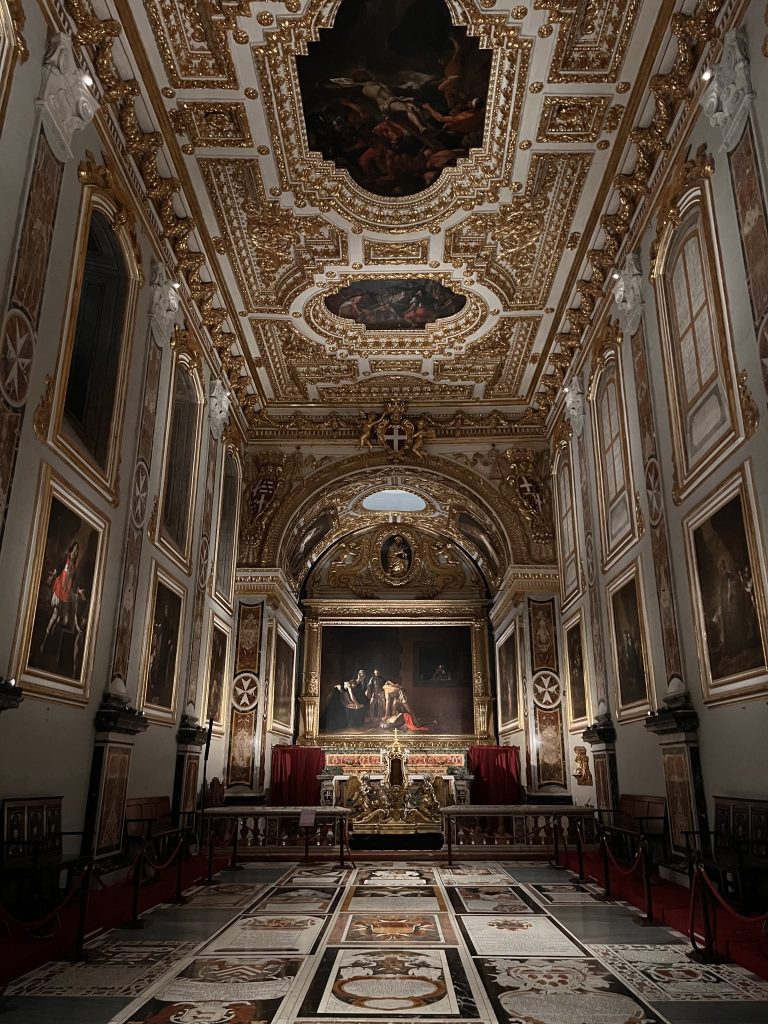
Malta, St John’s Co-Cathedral: The Baptism of Christ statue at St John’s Co-Cathedral, Valletta, Malta was begun by Melchiorre Gafà in 1666, but he died before finishing it. Decades later, his pupil Giuseppe Mazzuoli completed it in marble, not bronze, as a tribute to his master. The two lifelike figures are carved from a single marble block. It is one of many astonishing works of art at the cathedral.


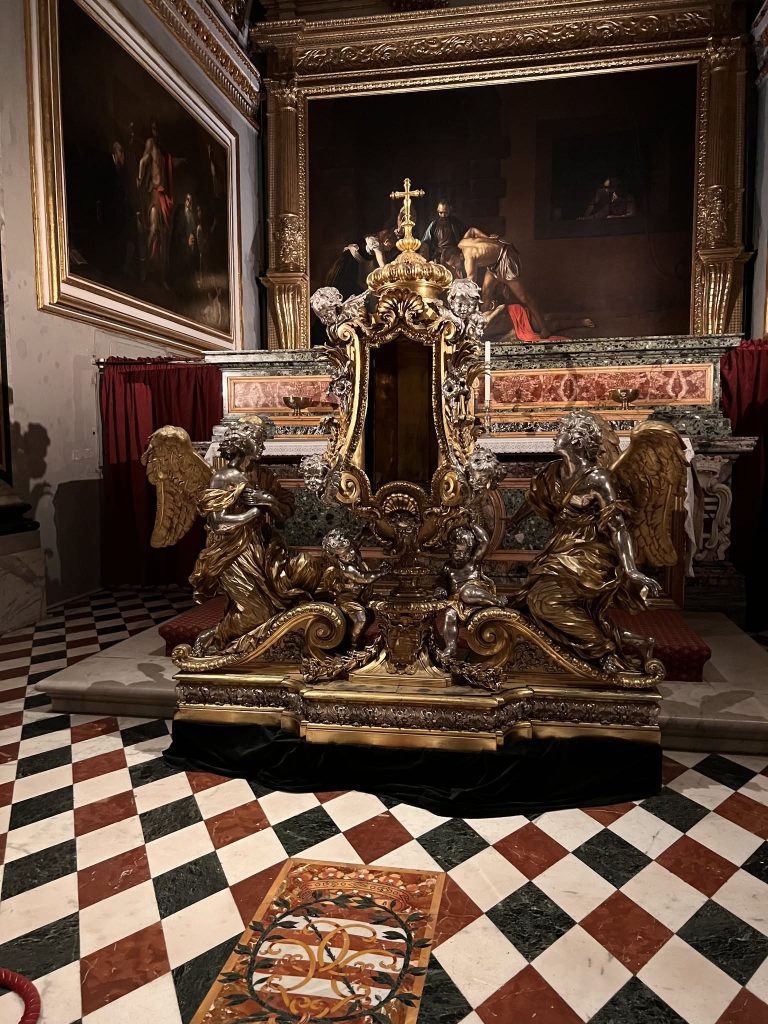
The Mosta Dome, or Rotunda of Mosta, is a remarkable church in Malta dedicated to the Assumption of St Mary. Renowned for its massive unsupported dome, one of the largest in the world, it was built between 1833 and 1860 in a neoclassical style inspired by Rome’s Pantheon. During World War II, it became famous when a bomb pierced the dome but failed to explode, sparing hundreds. This “Miracle of Mosta” adds to its iconic status.

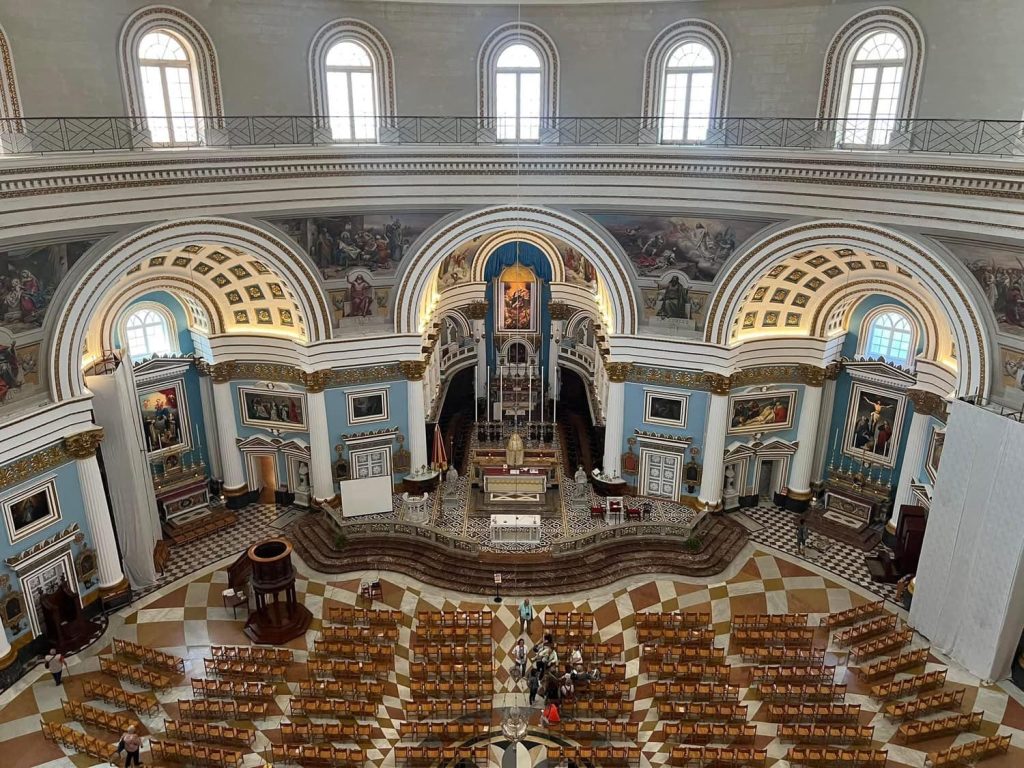
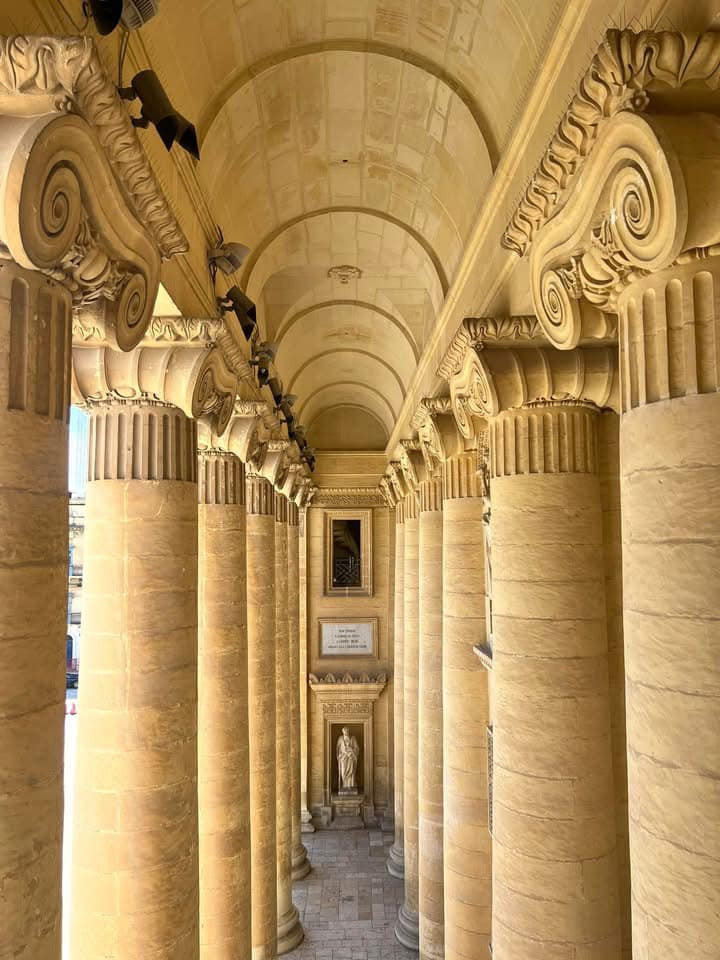

Malta, Senglea: The statue of Our Lady widely known in Malta as “Il-Bambina” (which means young girl) at the basilica of the Nativity of Our Lady in Senglea (l-Isla), Malta.

Malta, Senglea: The Christ the Redeemer (Ir-Redentur) statue in Senglea, Malta, crafted from papier-mâché, presumably the work of Saverio Laferla (1742–1744). Housed in the Basilica of Our Lady of Victories, it is a powerful symbol of faith. During Lenten and June processions, devotees show solemn devotion, with acts of penance and a profound display of faith. These acts of piety are also expressed throughout the year in the church. Many attribute miracles to the statue, making it one of Malta’s most revered religious icons, central to the whole island’s spiritual life.
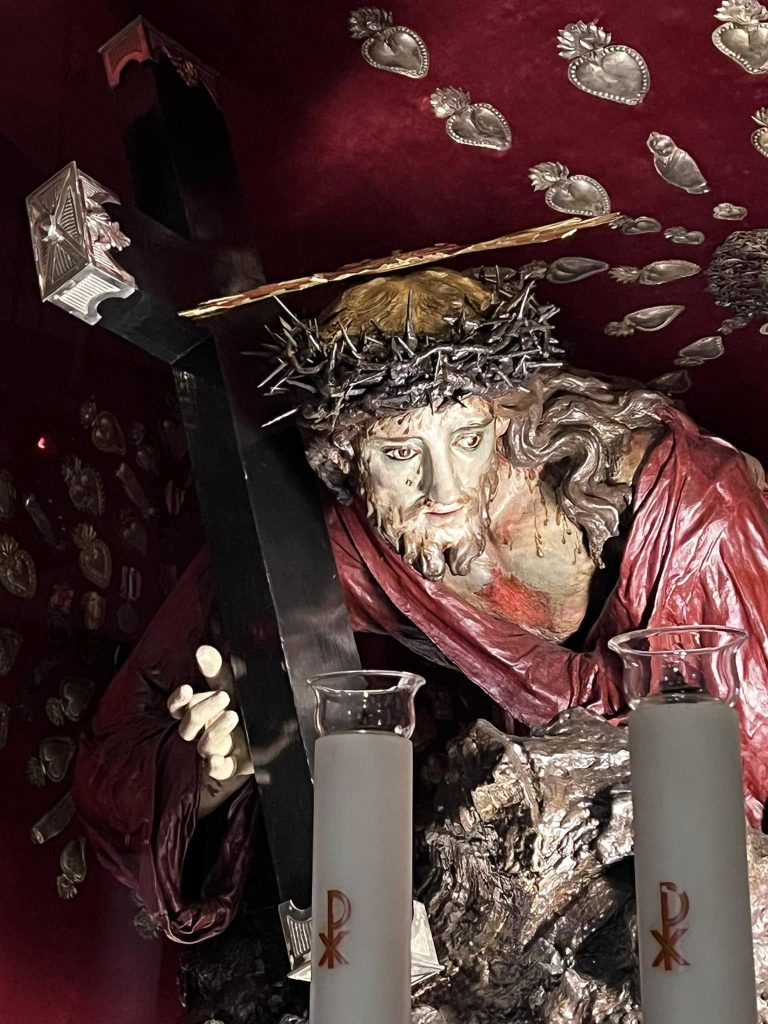
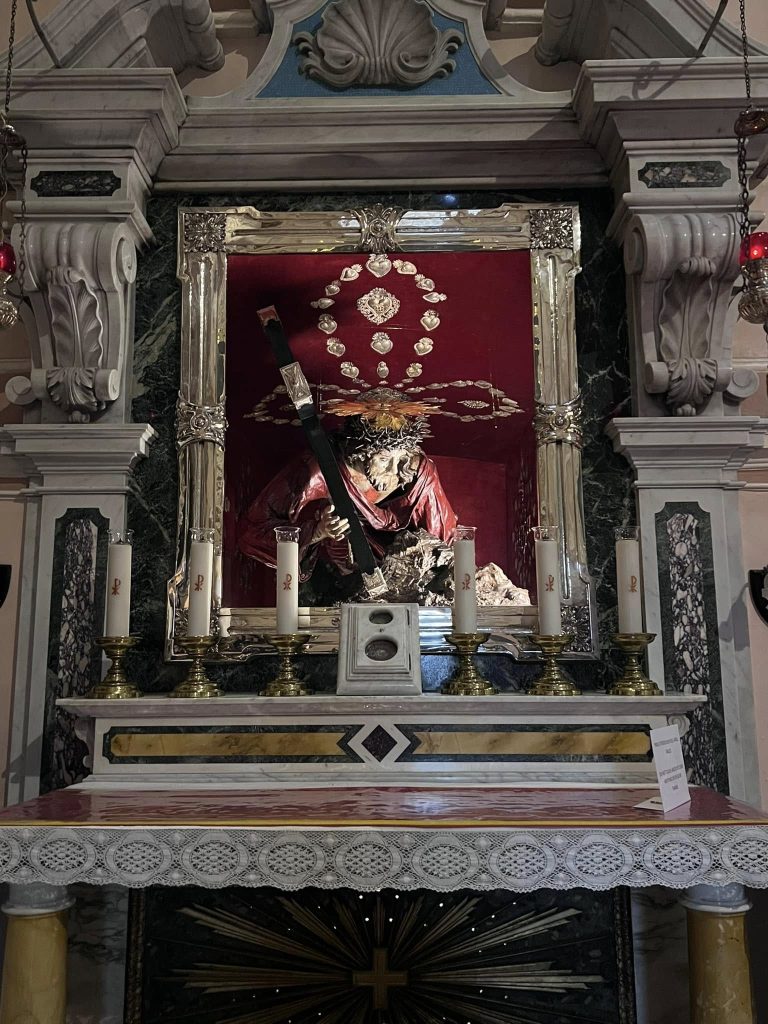
Malta, Cospicua: A glimpse of Heaven’s beauty reflected on Earth. This sacred masterpiece reminds us of the eternal glory of the Lord above. The Collegiate Church of the Immaculate Conception in Cospicua, Malta.

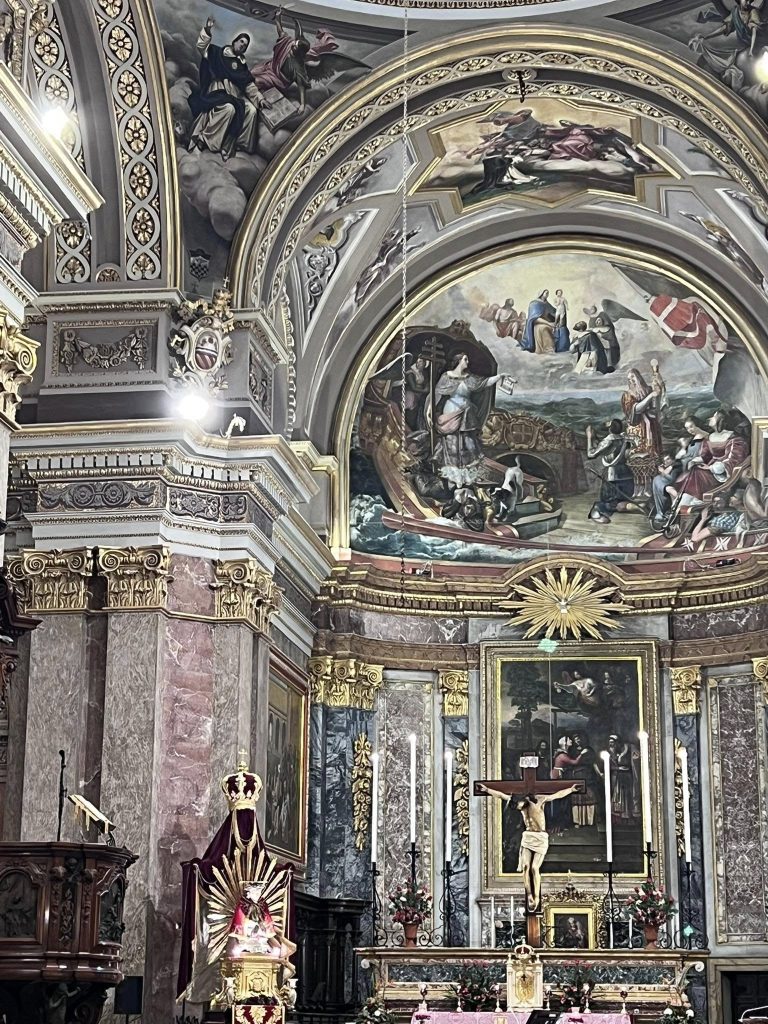
Malta, Valletta: Tucked away in the heart of Valletta, Malta, St. Dominic Church (also known as Porto Salvo) is a historic gem with deep spiritual and cultural significance. This stunning Baroque church, run by the Dominican Order, has been a place of worship and devotion for centuries.
Its magnificent interior is adorned with intricate artwork, grand altars, and a breathtaking dome that leaves visitors in awe.
Beyond its artistic beauty, St. Dominic Church has a rich history, closely linked to Valletta’s development and religious traditions. It stands as a testament to faith, resilience, and artistic heritage.

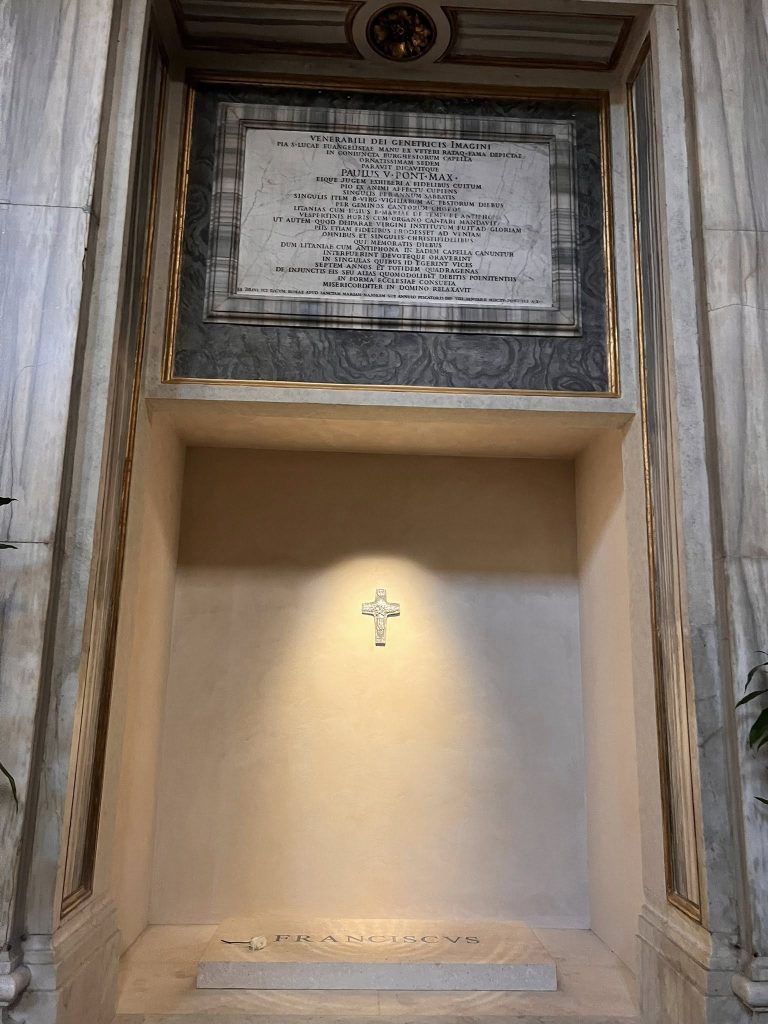
Italy, Rome: Pope Francis’ tomb in the Basilica of St. Mary Major, in Rome, Italy, is crafted from Ligurian marble. It bears the simple inscription “Franciscus” and features his pectoral cross. The modest design reflects his humility and devotion to the Virgin Mary, near the revered Salus Populi Romani icon (not in the crypt shown in photo to avoid confusion).
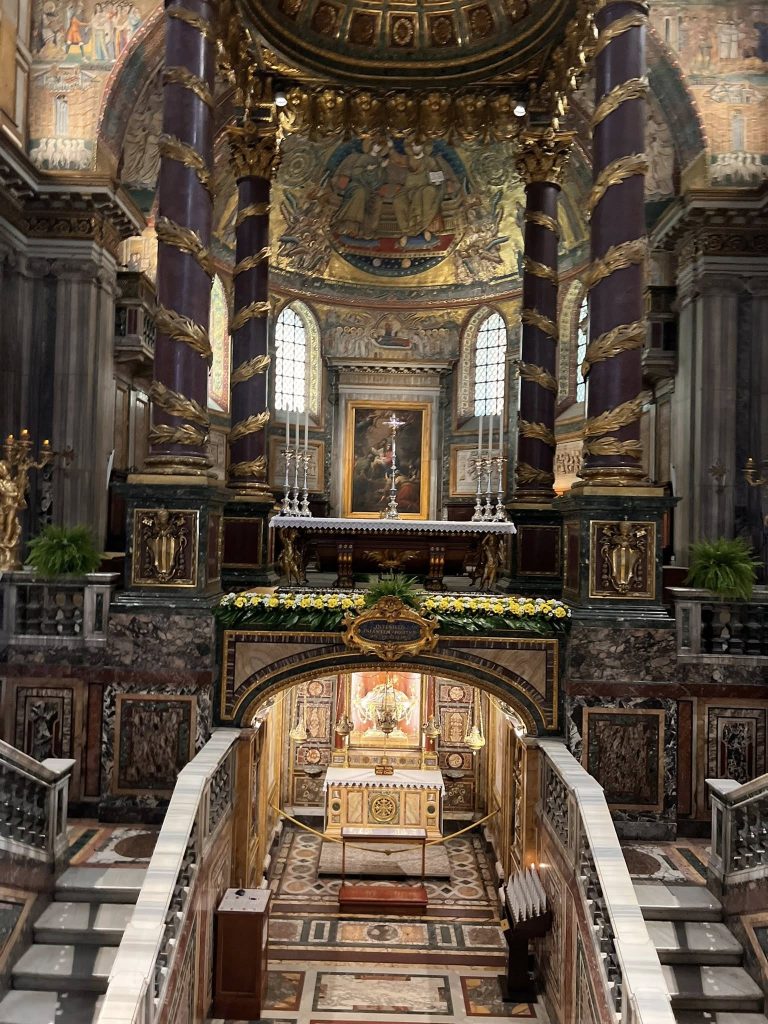
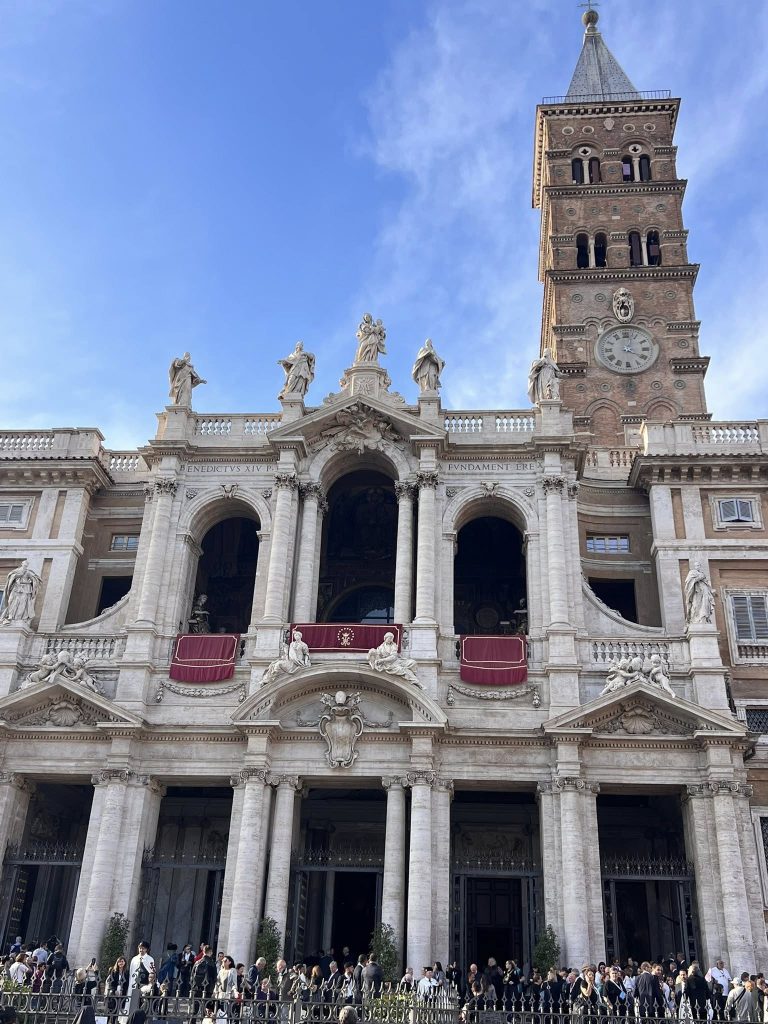
The Basilica of St. Mary Major (Santa Maria Maggiore) is the largest Marian church in Rome, ione of the four major papal basilicas and revered as the first Marian sanctuary.
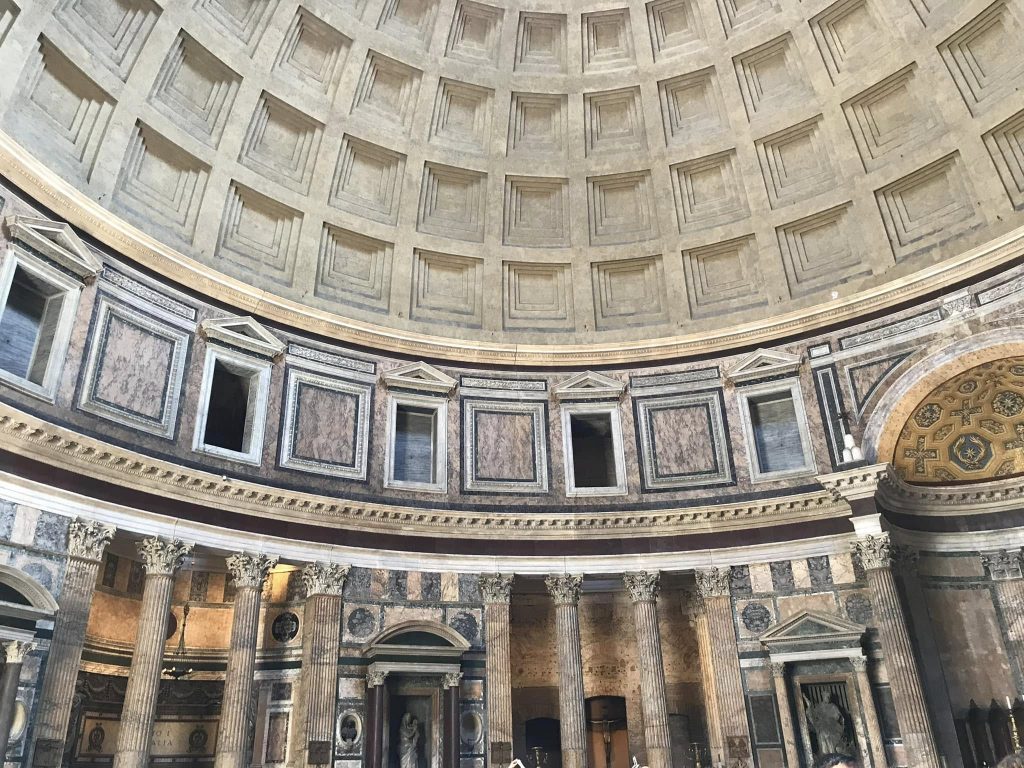
Italy, Rome: The Pantheon in Rome is one of the earliest pagan temples in Rome to be converted for Christian worship. It is dedicated to St. Mary and the Martyrs, commonly known as Santa Maria ad Martyres. Originally built as a temple for all gods, it was consecrated as a Christian church in 609 AD by Pope Boniface IV. The structure, rebuilt by Emperor Hadrian around 126 AD, is renowned for its massive unreinforced concrete dome, with a central oculus that allows natural light to illuminate the interior. Today, it remains an active church and a major tourist attraction, reflecting Rome’s blend of ancient and Catholic heritage.


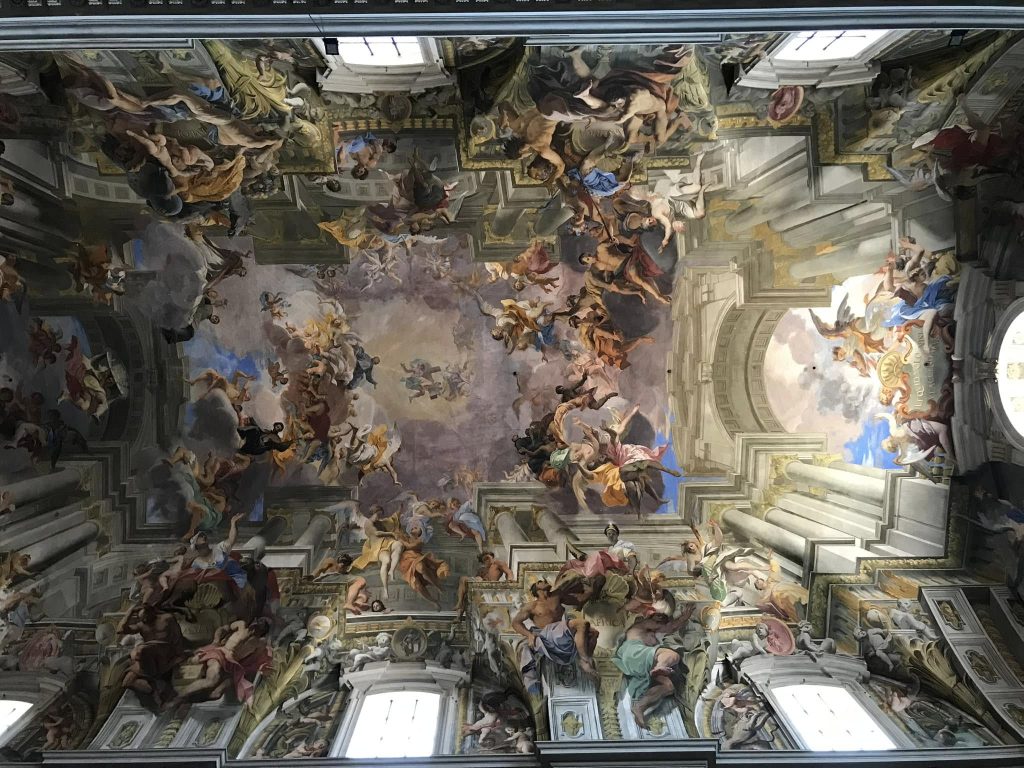
Italy, Rome: Visiting Sant’Ignazio di Loyola in Rome was an unforgettable experience! The ceiling fresco The Triumph of Saint Ignatius by Andrea Pozzo is a breathtaking masterpiece that makes the church feel like it opens into the heavens. The most fascinating part? The “dome” isn’t real, but it’s a masterful painting using perspective to create an optical illusion!
Baroque art at its finest, where faith, creativity, and illusion blend seamlessly.

Italy, Pompei: The Santuario della Beata Vergine Maria del Santo Rosario di Pompei, located in Pompeii, Italy, holds a special place in my heart. I had the privilege of visiting this beautiful place last February (photos taken during this visit) and was awestruck by its beauty and spirituality. The stunning mosaics and the majestic dome are truly awe-inspiring. I encourage you to share the devotion towards Our Lady of Pompei and also learn more about this incredible complex dedicated to Our Lady.


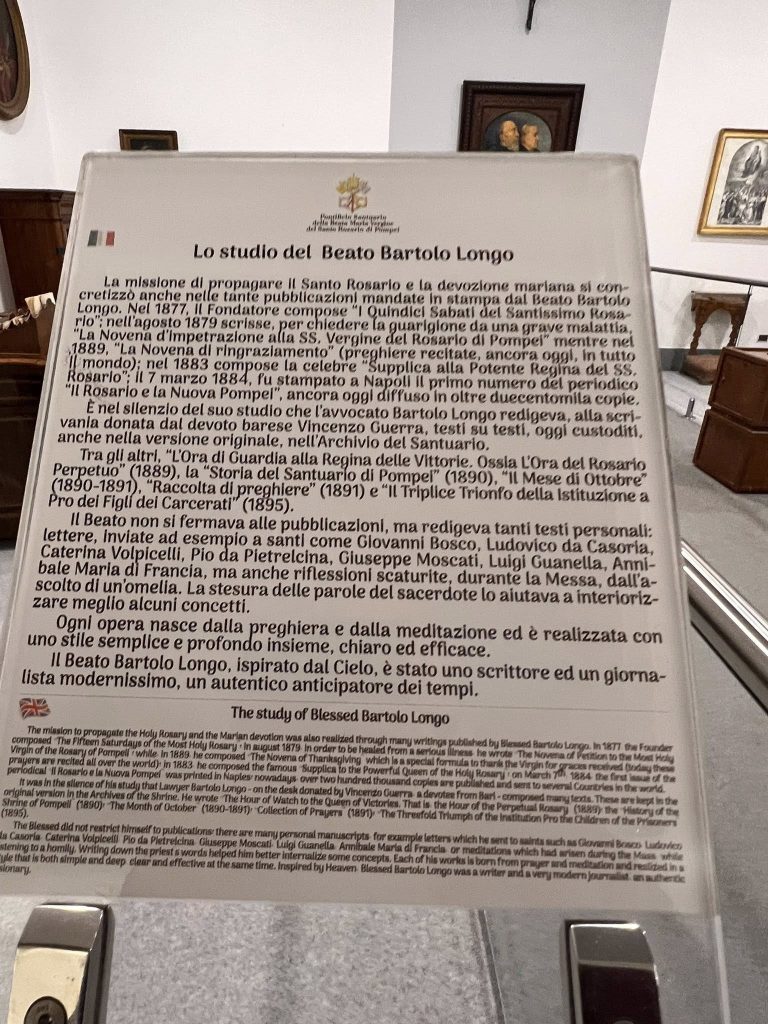
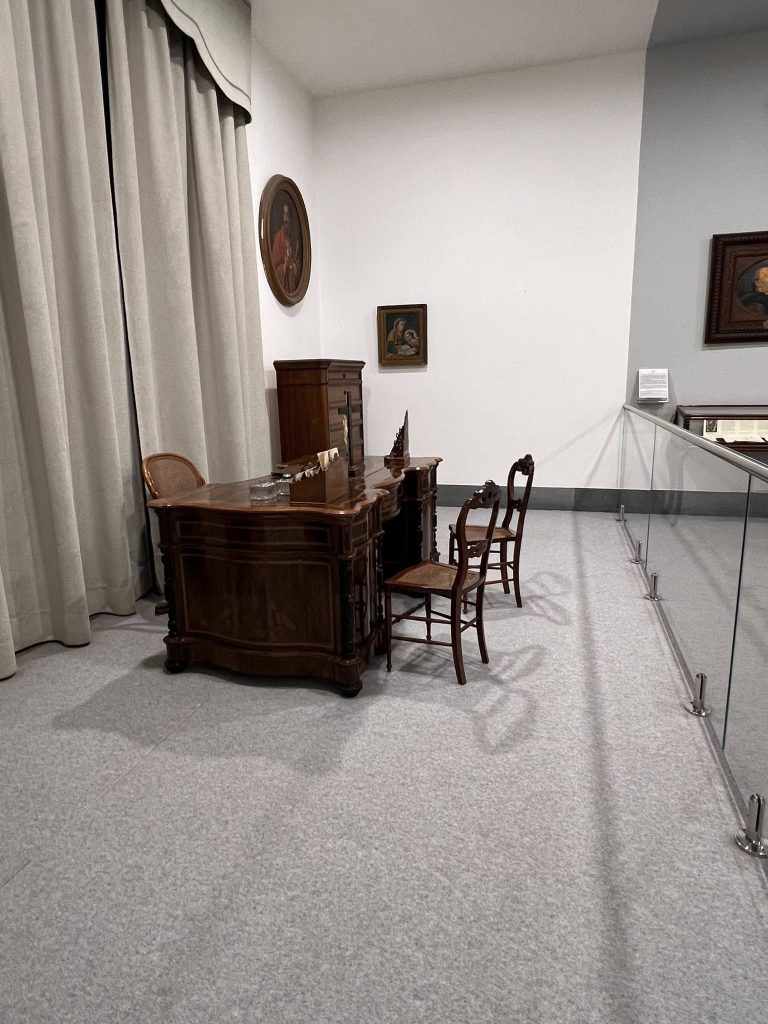
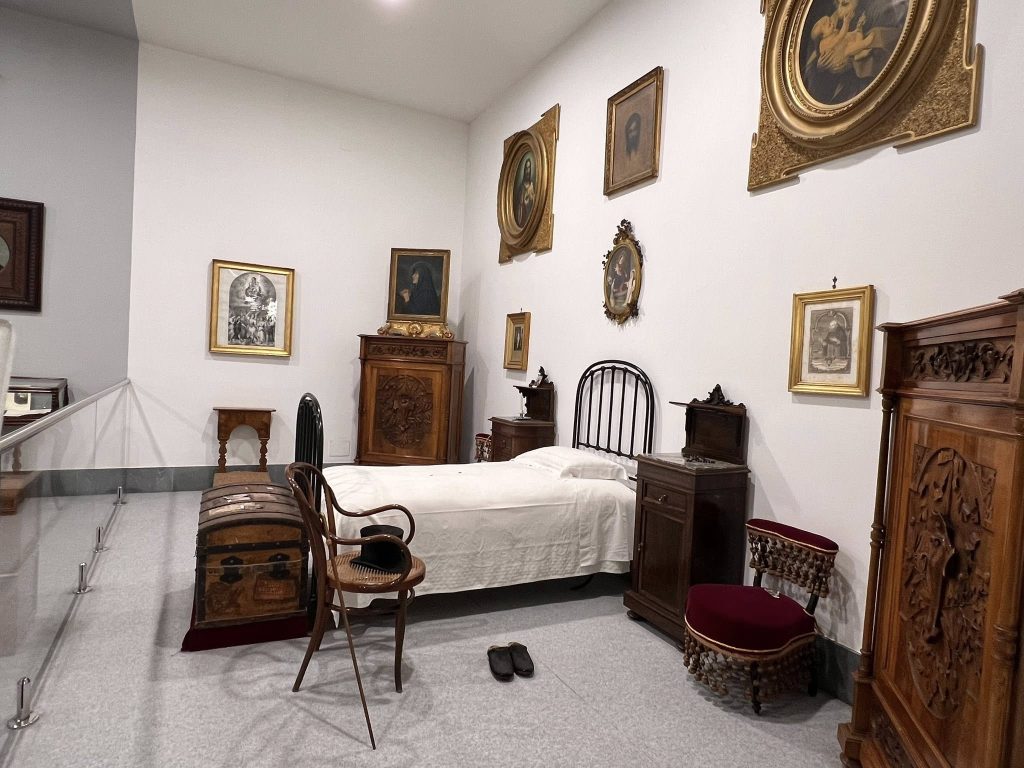
Italy, Pompei: The bedroom and studio of Blessed Bartolo Longo who is going to be caninised a saint on Sunday 19th of October. Photos taken at the Shrine of Our Lady of Pompei, in Italy. Bartolo Longo, once a satanic priest, converted to Catholicism and devoted his life to the Rosary and helping the poor. A Knight of the Equisterian Order of the Holy Sepulchre, he founded the Shrine of Our Lady of Pompei, in Italy, spreading Marian devotion with deep faith.
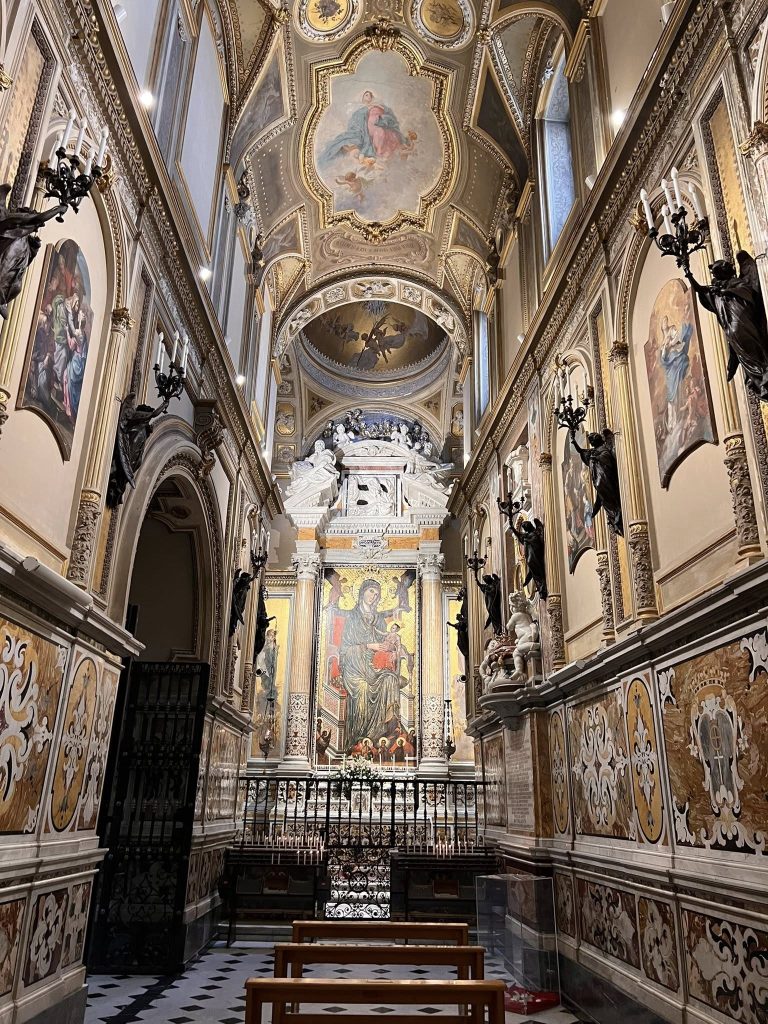
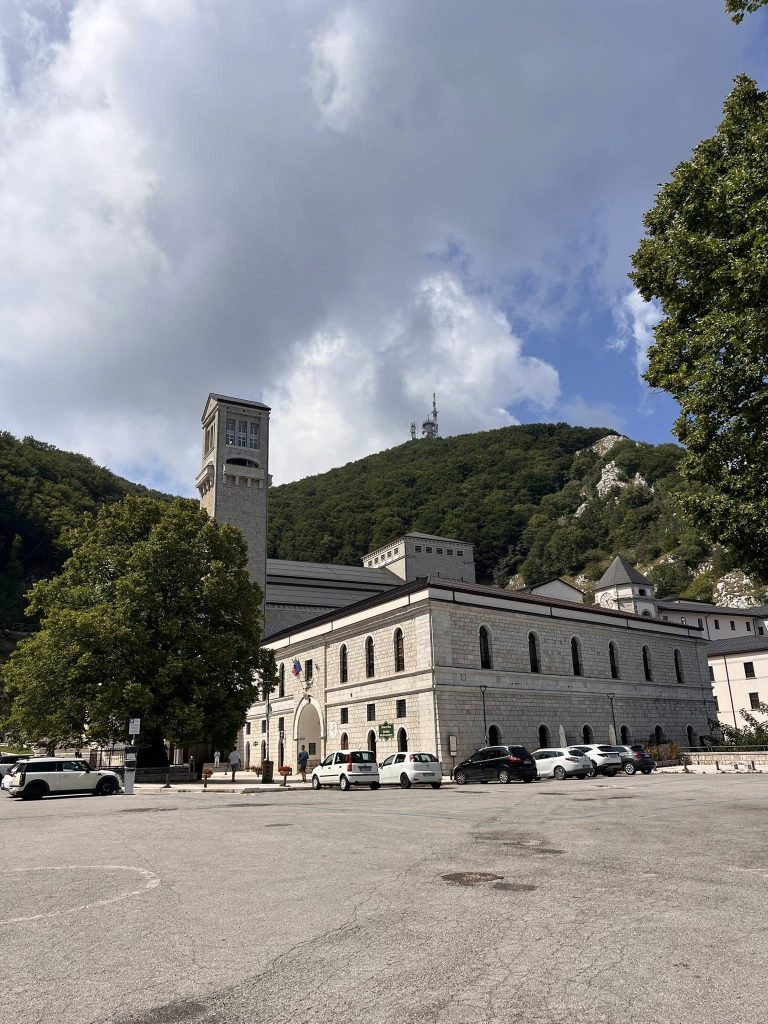
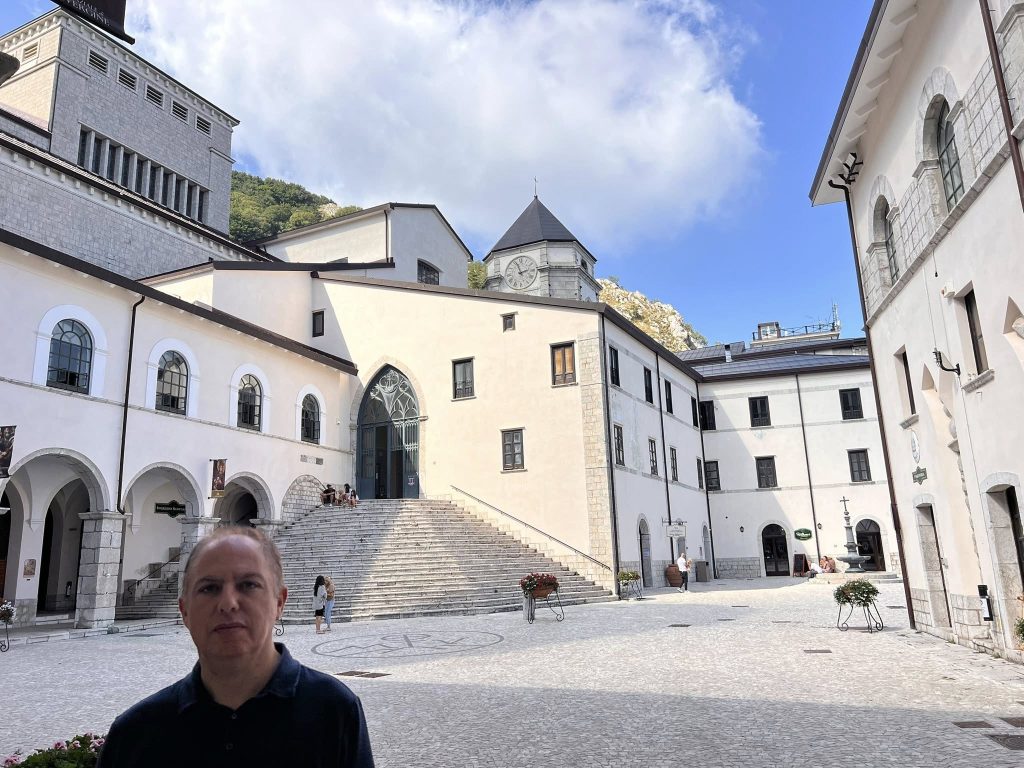
Italy, Avellino, Mercogliano: I spent a day at the Basilica of Montevergine in Mercogliano, Avellino, Italy. It is a popular place for pilgrims and tourists. The site has two main churches: an old historic one and a newer modern building; both are connected. Visitors can enjoy a funicular ride to reach the sanctuary. There are also a cafeteria and shops where people can rest and buy souvenirs during their visit.
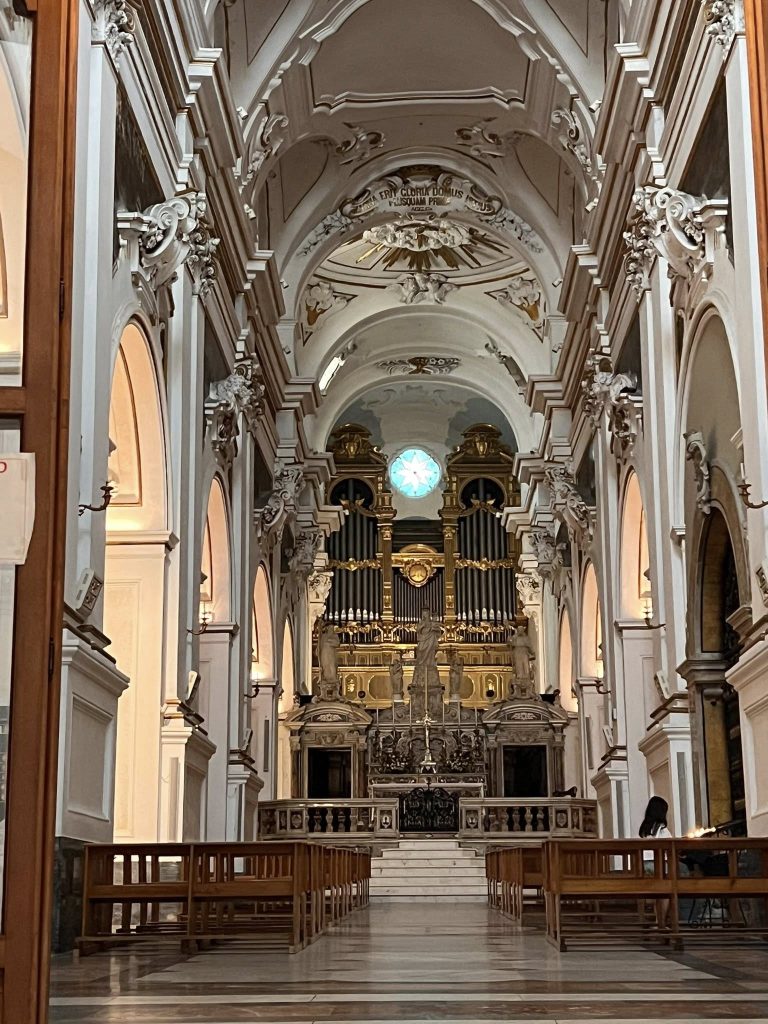


Italy, Sorrento: The Cathedral of Saints Philip & James, in Sorrento in Italy, was built in the 11th century and later rebuilt in Romanesque style. Inside, you’ll find elegant marble floors, beautiful frescoes, and fine woodwork crafted by local artisans. The bell tower, with its colourful majolica tiles, stands out along Corso Italia. It’s a peaceful place and a must visit to appreciate Sorrento’s rich cultural heritage.

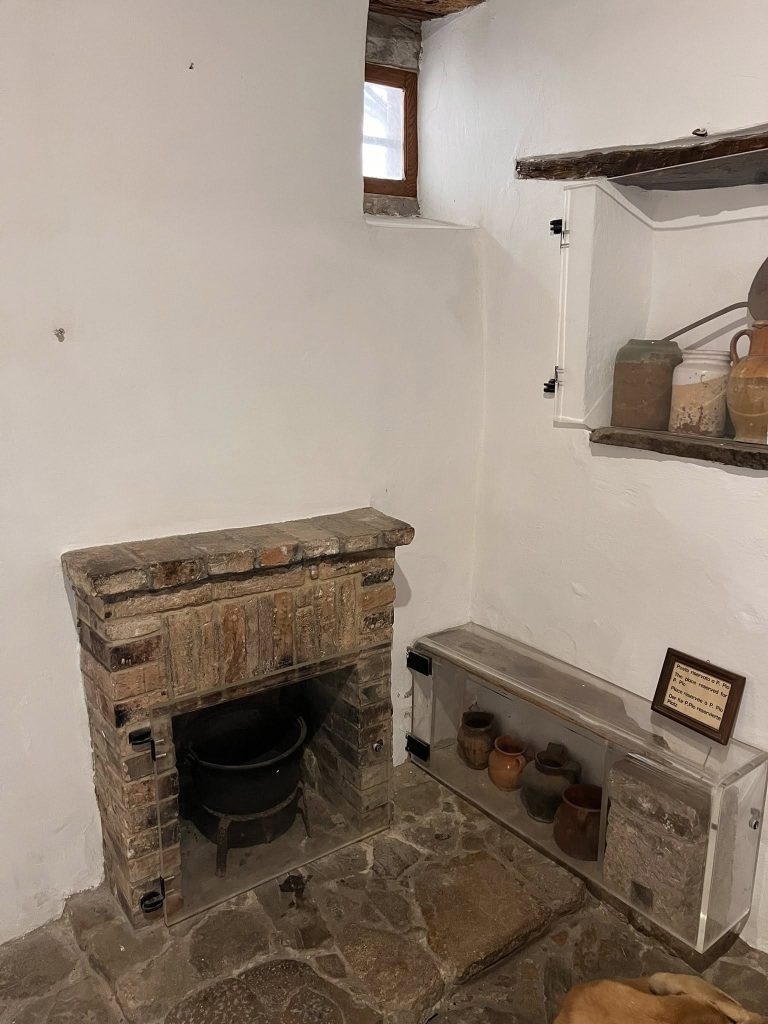
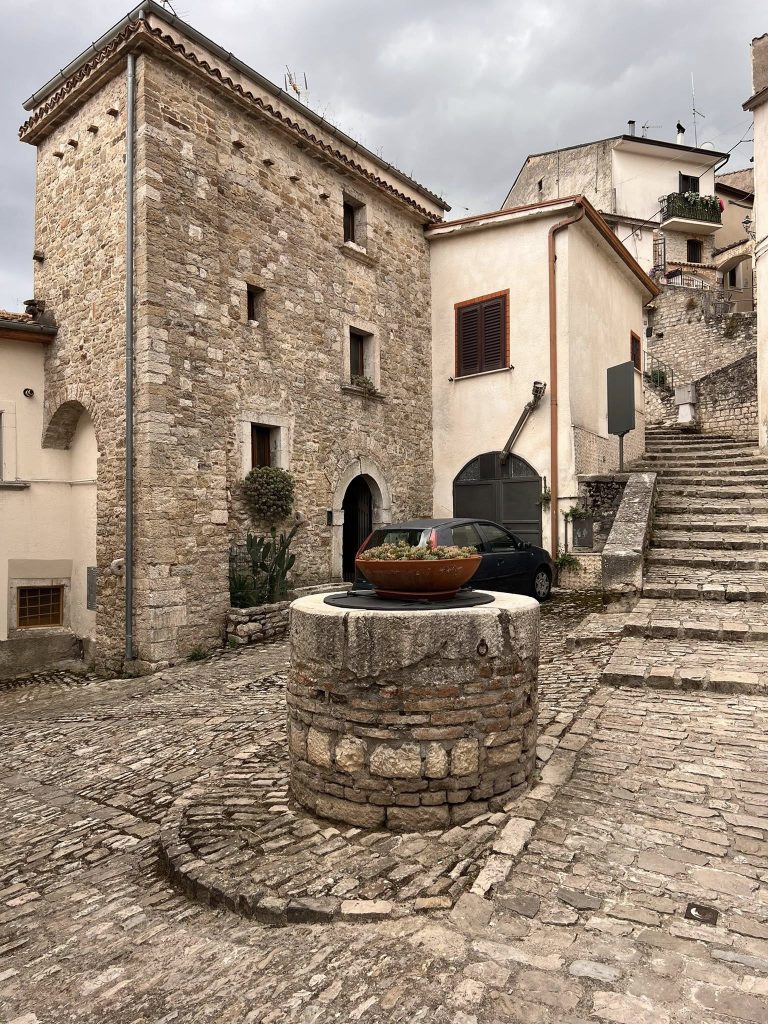
Italy, Pietrelcina: I had the blessing of visiting Pietrelcina, the birthplace of Padre Pio. It was a truly spiritual journey, walking through the humble home where he was born and praying in the church where he was baptised. I also visited the sacred place where he celebrated his first Mass, which holds precious relics. One of the most touching moments was at Piana Romana, where Padre Pio received the invisible stigmata. I ended the visit with the via sagra, a quiet haven for reflection. The whole experience was filled with grace and inspiration. Sharing with you especially for those who cannot make it.


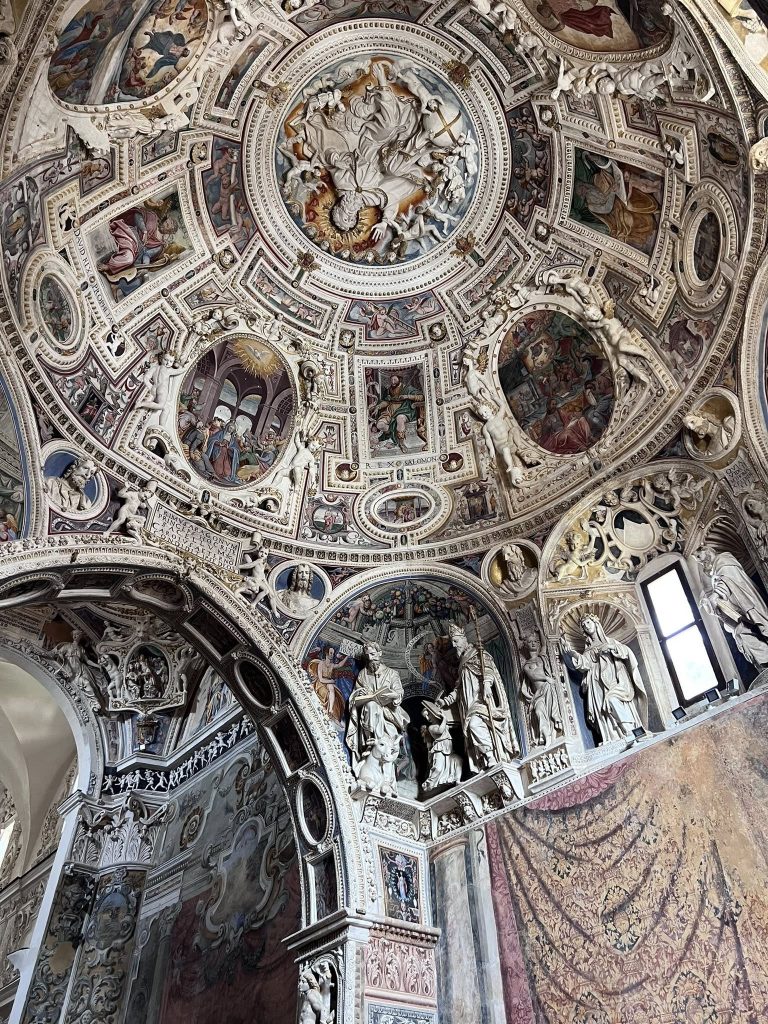
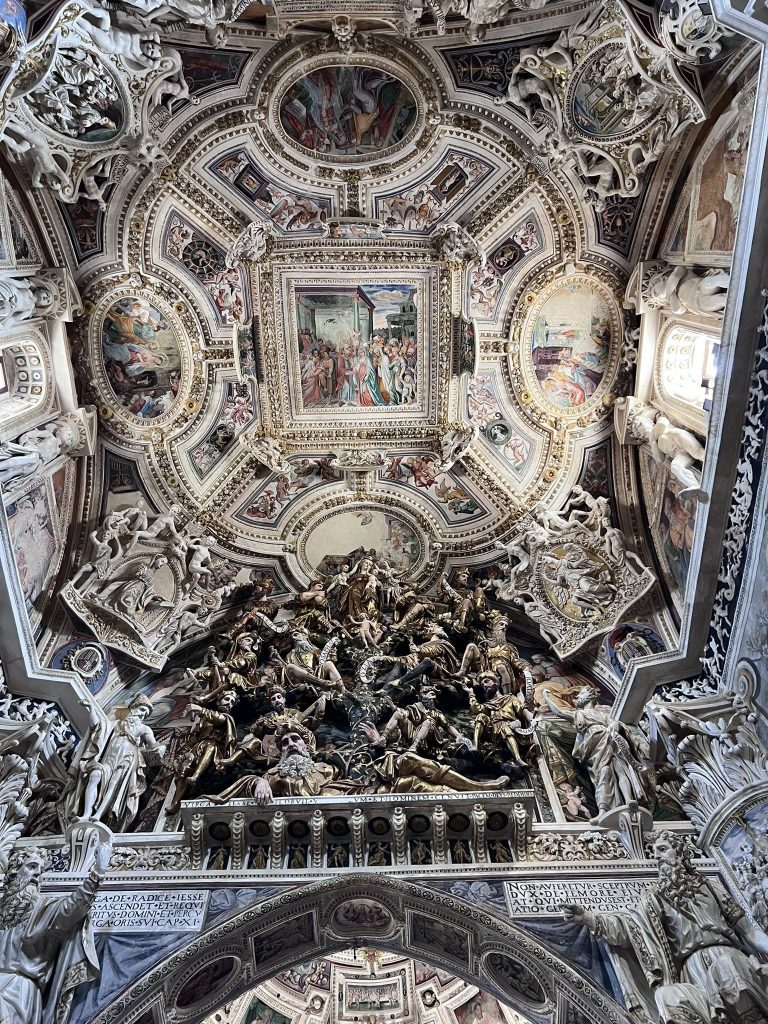
Italy, Sicily, Castelvetrano: The Church of San Domenico, in the historic heart of Castelvetrano, is one of Sicily’s most remarkable examples of late Renaissance and early Baroque religious art. Commissioned in 1470 by Giovanni Vincenzo Tagliavia and completed in 1580 by his descendant, Carlo d’Aragona Tagliavia, the church was intended as the burial place for the noble Tagliavia family.
While its exterior is stark and unassuming, stepping inside reveals an explosion of Baroque splendour. The presbytery and choir are richly adorned with high-reliefs, frescoes, and stucco statues by the talented Antonino Ferraro of Giuliana. Between 1574 and 1580, Ferraro transformed the church’s interior into a vivid celebration of the Christian story, including an exceptional depiction of the Tree of Jesse in the triumphal arch, a visual genealogy of Christ, culminating in the Virgin Mary crowned by angels.
The church also houses valuable works of art, including a Madonna of Loreto and many other important works.
I also felt a true sense of spirituality.


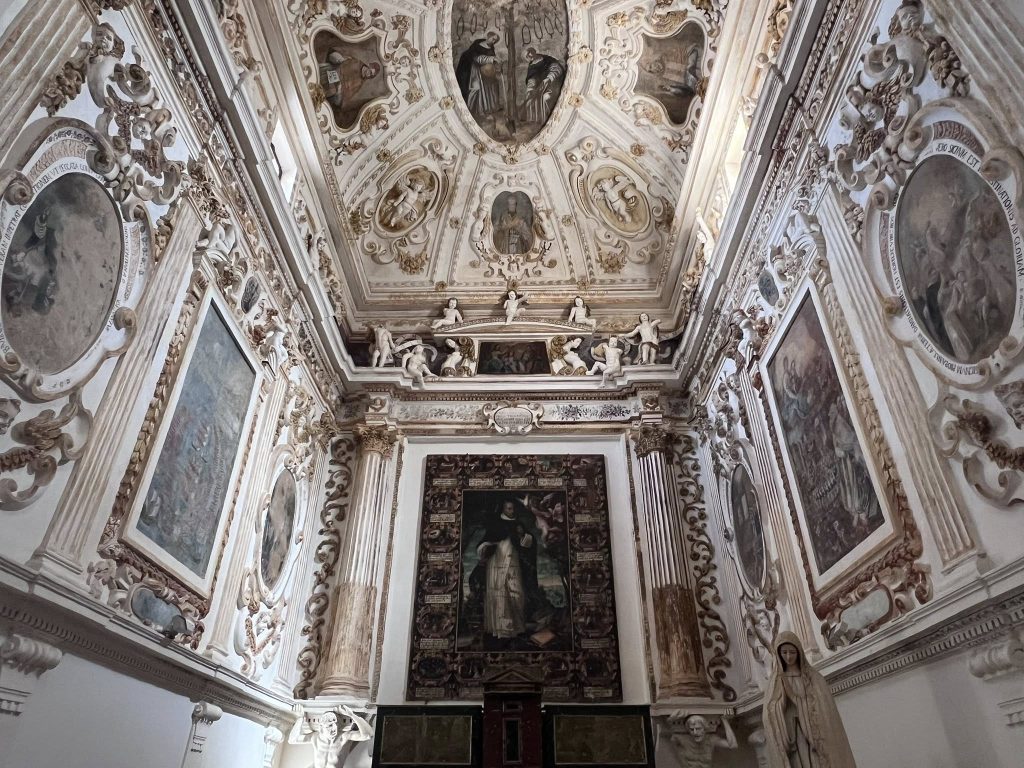

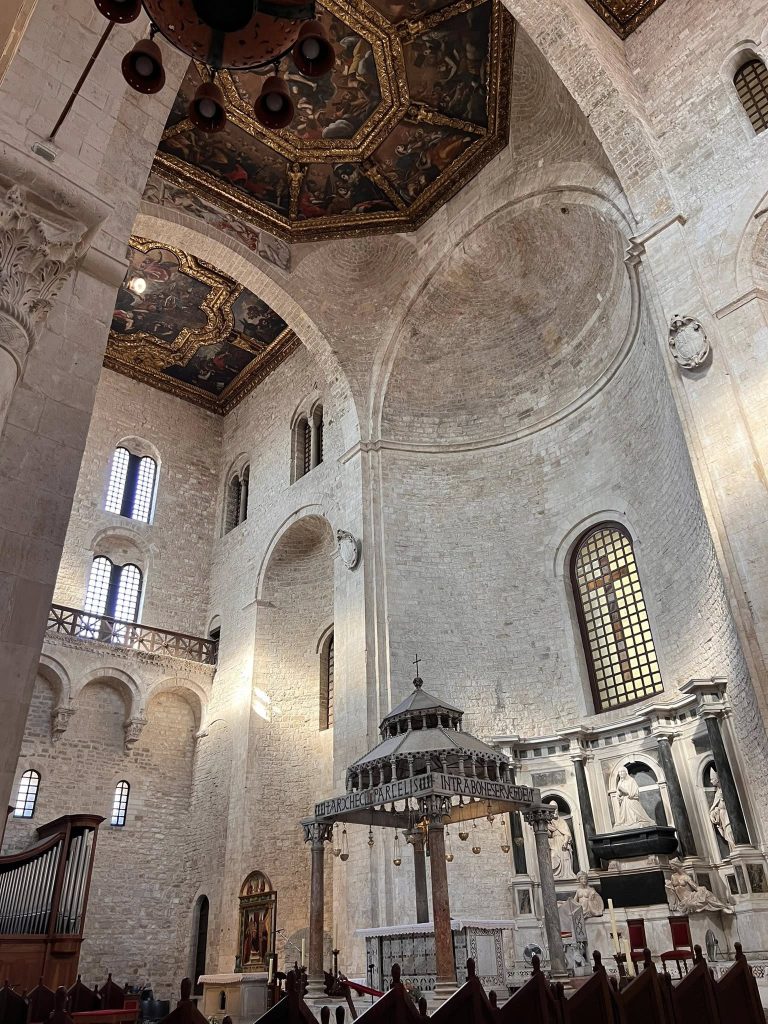
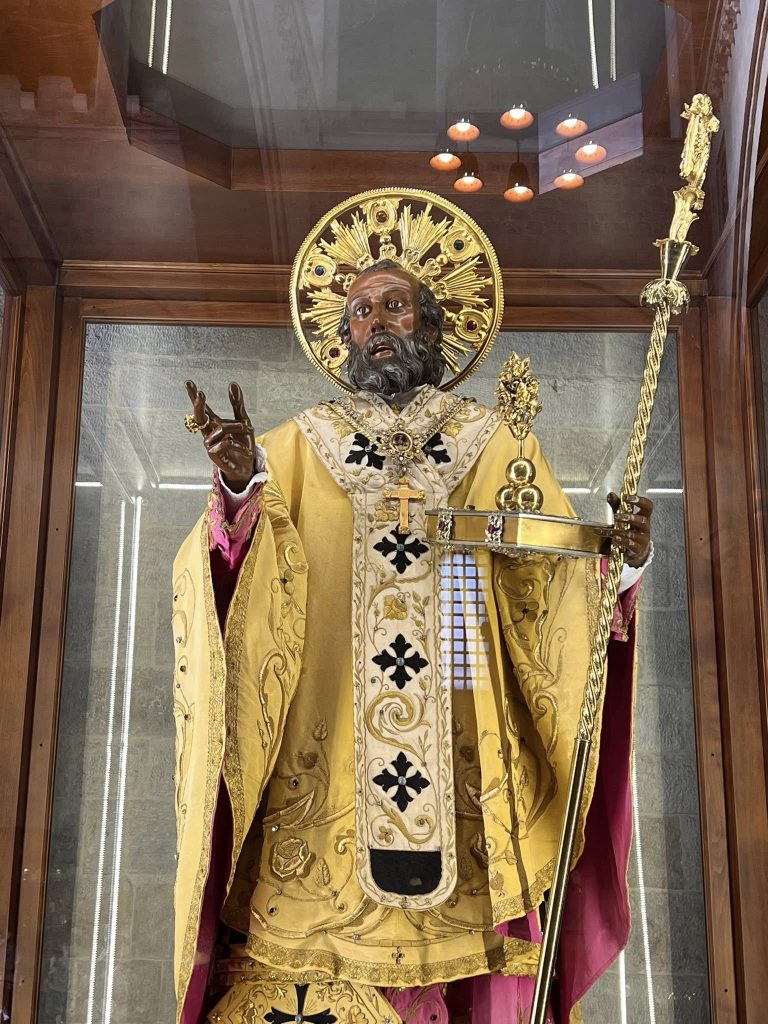
Italy, Bari: The Pontifical Basilica di San Nicola in Bari, Italy, is an impressive 11th-century Romanesque church dedicated to Saint Nicholas, a beloved figure in the city’s history. Known for his generosity and miracles, Saint Nicholas is deeply venerated in Bari, and the basilica stands as a symbol of that devotion.

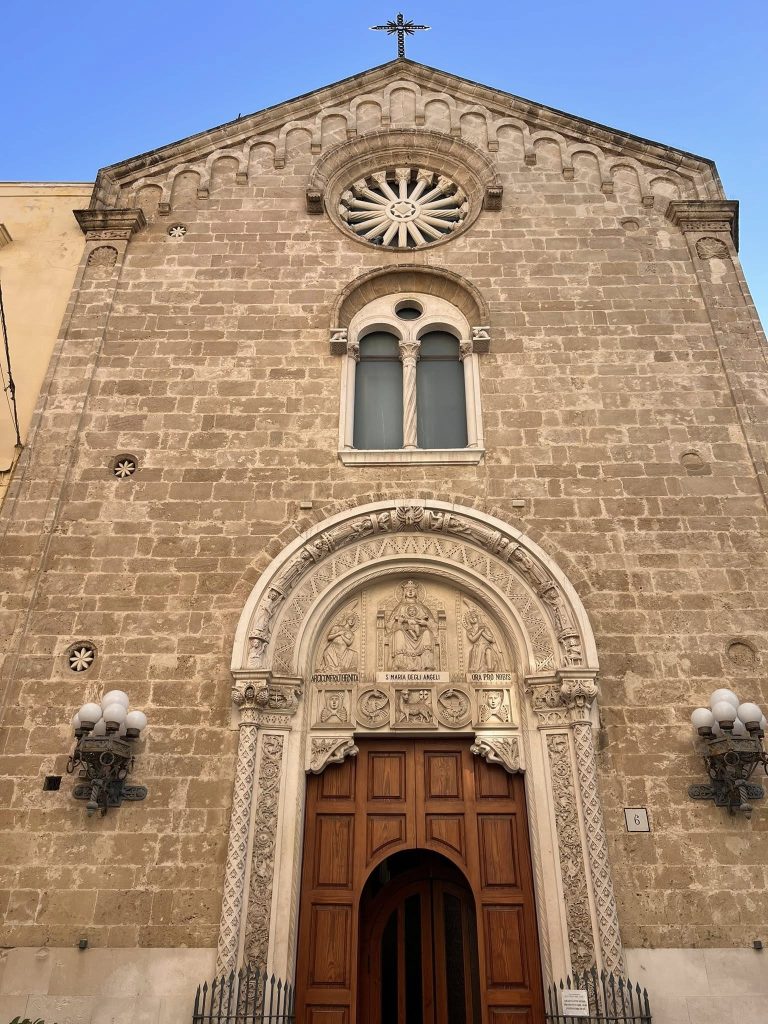
Italy, Bari: Santa Maria degli Angeli in Bari, Italy, is a historic church with origins tied to two legends involving a painting of the Madonna found during 16th-century restorations of the city walls. The artwork was later placed in a chapel where St. Francis is believed to have preached. Rebuilt in 1900 with a single nave and barrel vault, the church combines spiritual significance with architectural charm. Ideal place for some quiet time prayer.

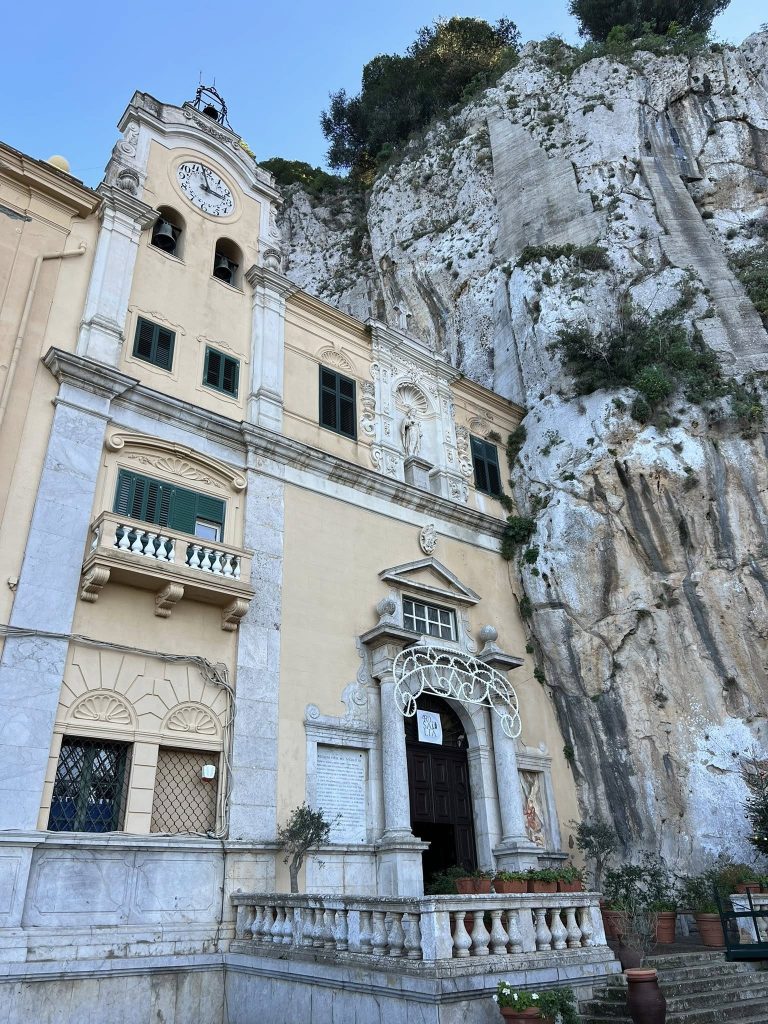
Italy, Sicily, Palermo: This Sanctuary of Santa Rosalia overlooking the vibrant city of Palermo, in Sicily, Italy has a rich history of devotion.
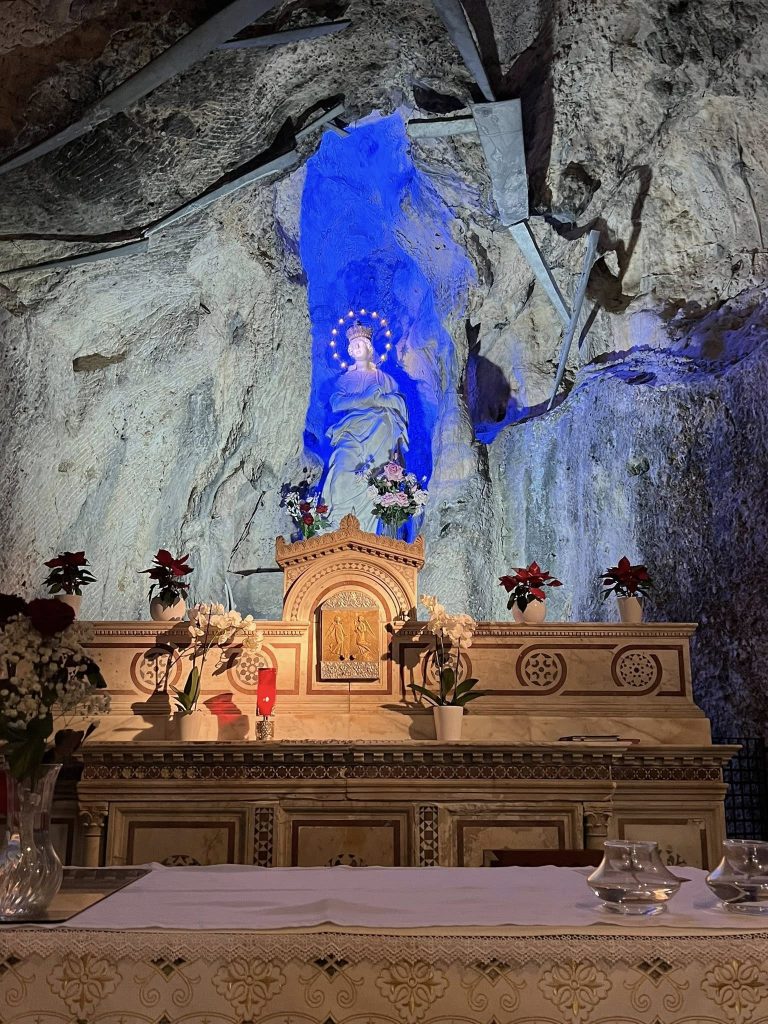
In 1624, as a devastating plague swept through Palermo, the relics of Saint Rosalia were miraculously discovered in a cave on this very hill. Following a procession of her remains through the city, the plague subsided, and Rosalia was embraced as Palermo’s patron saint, affectionately known as La Santuzza (“the Little Saint”) .
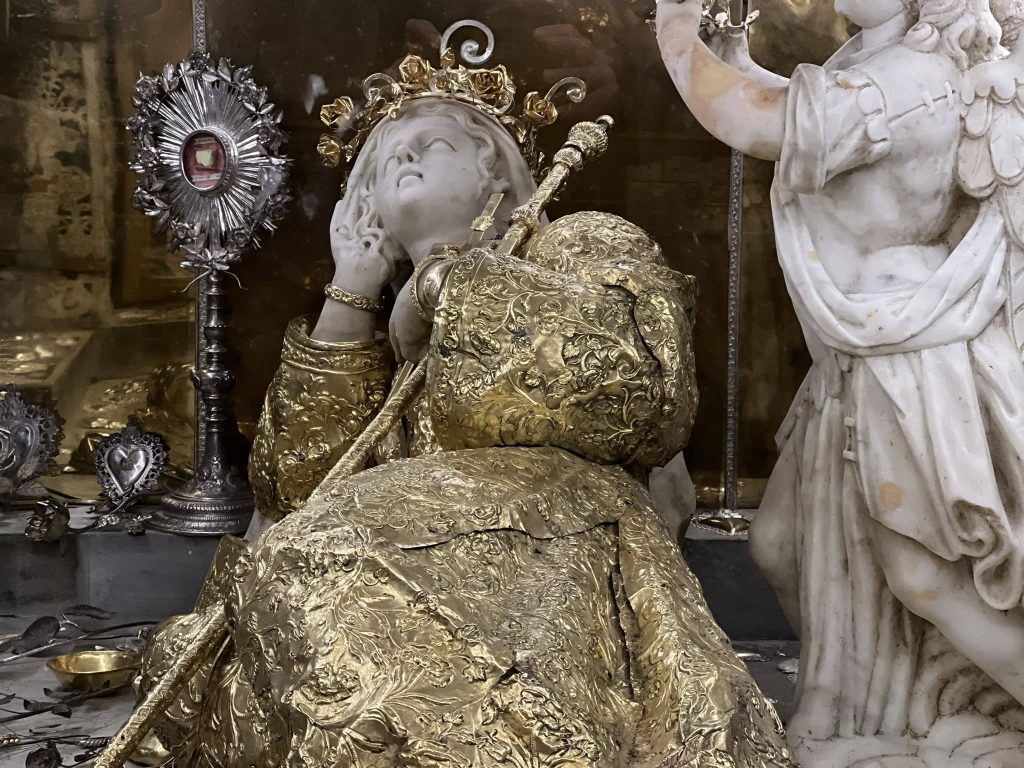
The sanctuary, built into the mountainside, extends into the cave and features a striking Baroque façade . Inside, one can admire the exquisite marble statue of the saint by Gregorio Tedeschi, adorned with a golden robe gifted by King Charles III .
A deep spiritual experience.
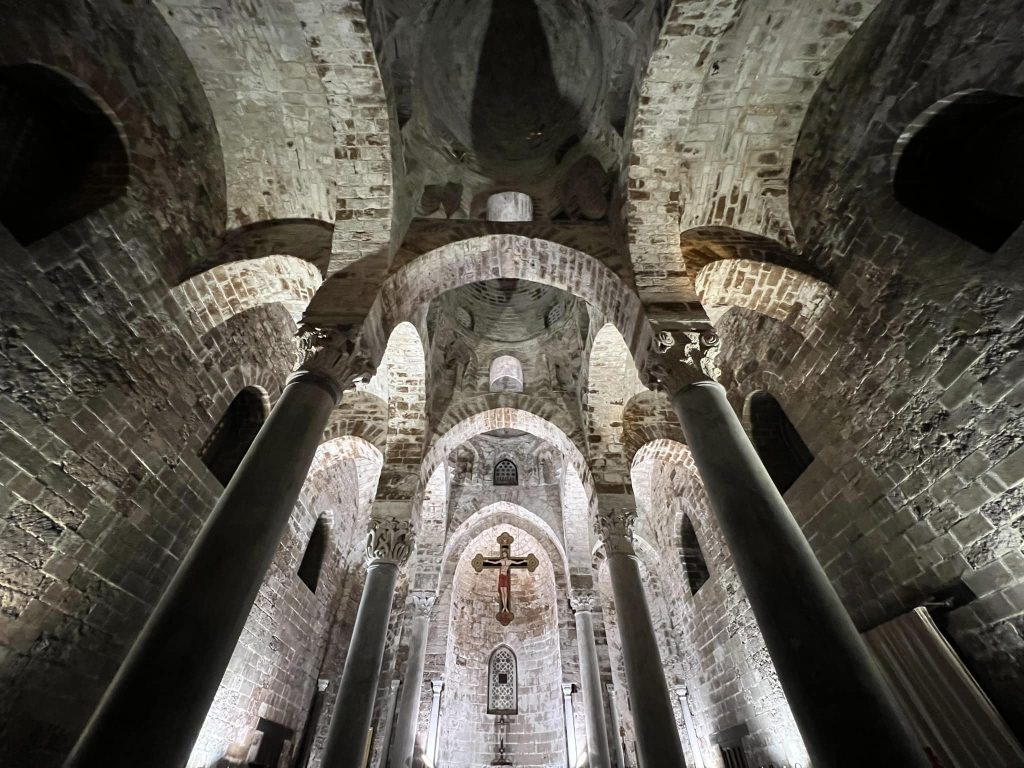
Italy, Sicily: The stunning Norman architecture of the Church of San Cataldo in Palermo, Sicily. It is a UNESCO World Heritage Site and part of the Arab-Norman Palermo route. The characteristic red domes and intricate interior arches reflect a blend of Arab, Byzantine, and Norman influences, making it a unique example of Sicilian architecture.
Italy, Sicily:
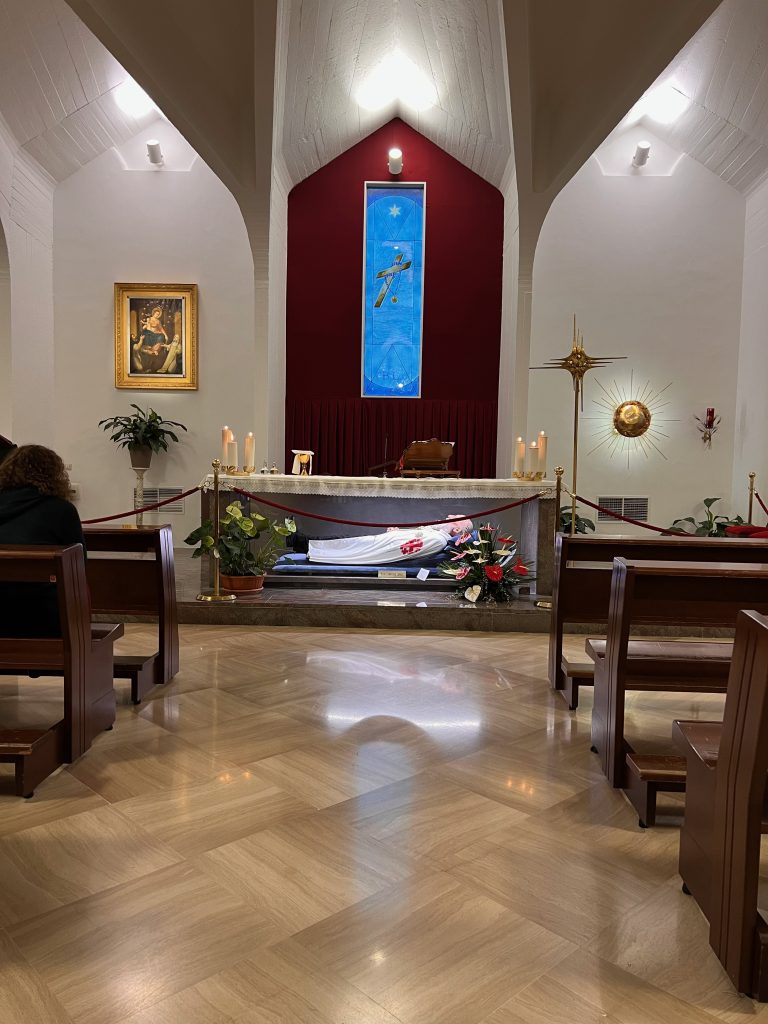
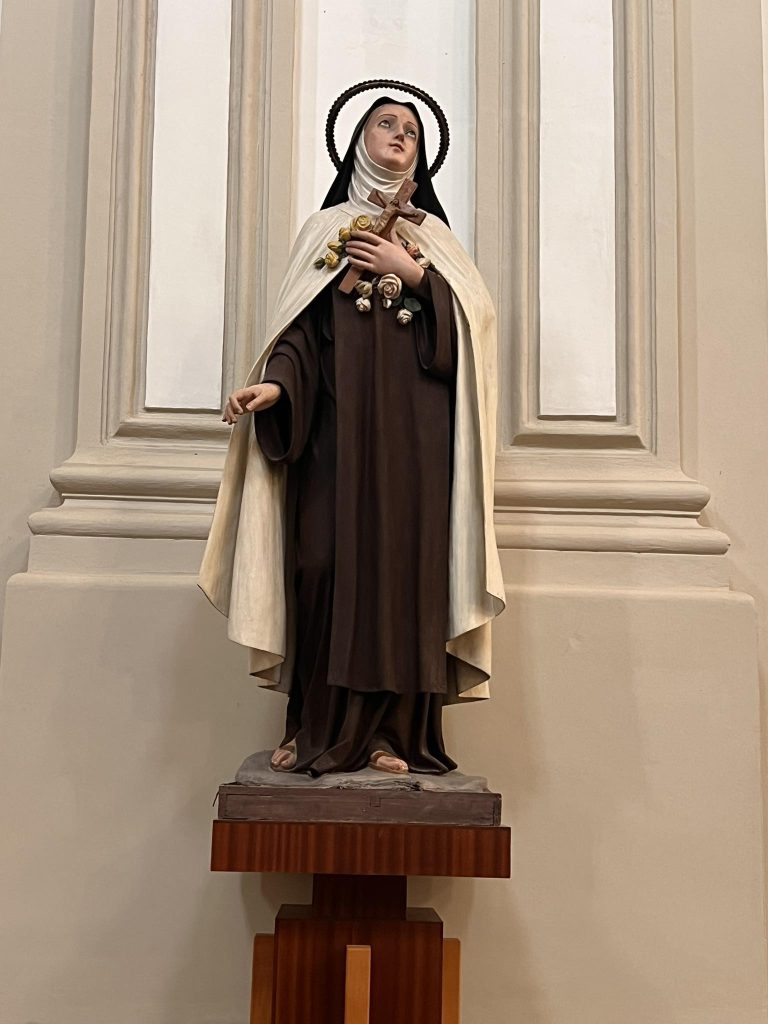
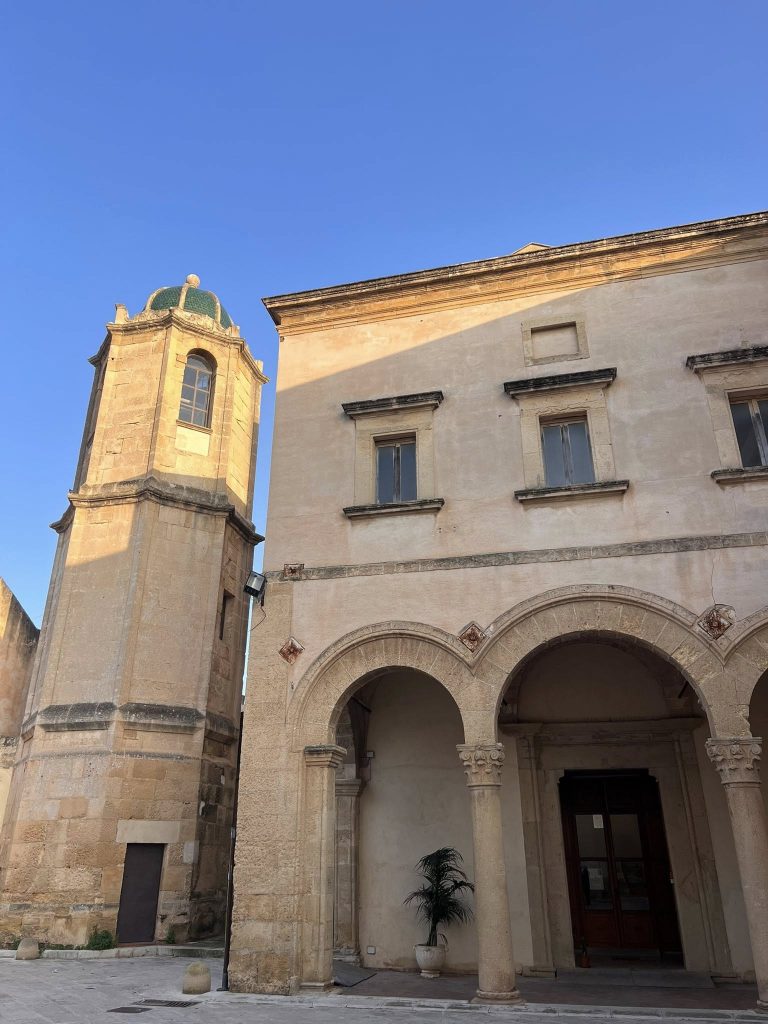
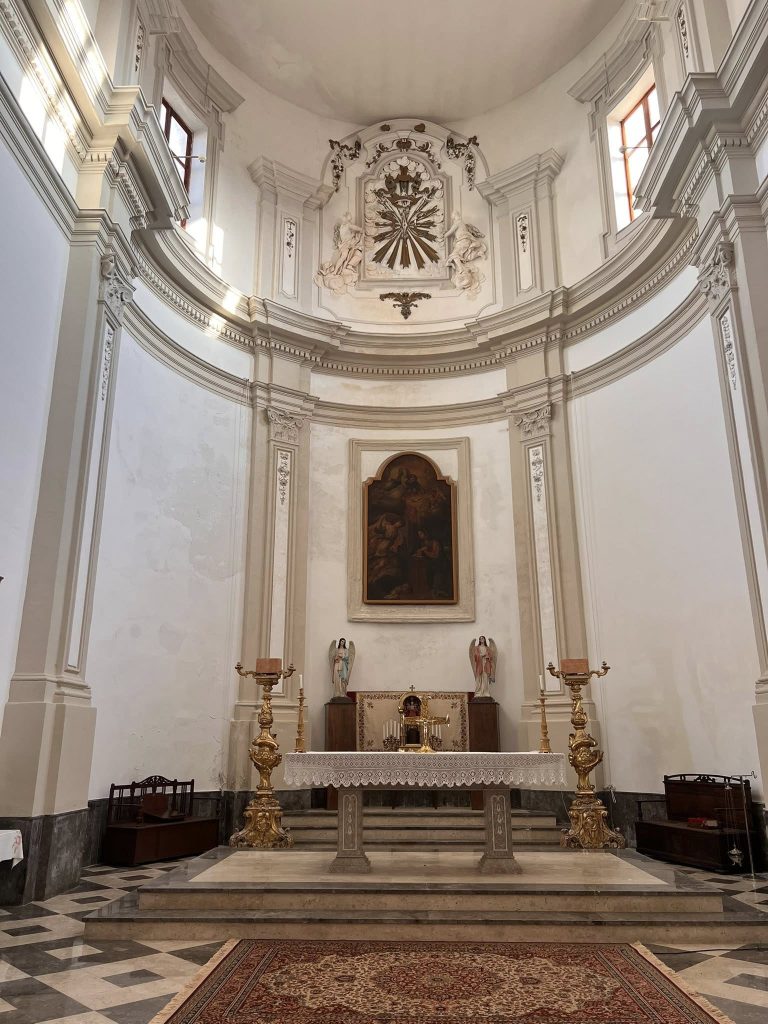
St Thérèse in the the Carmine church in Marsala Sicily. The Chiesa della SS. Annunziata (del Carmine) was built as part of a Carmelite convent complex between the 13th and 14th centuries, when Carmelite friars from Mount Carmel established themselves in Marsala. Its octagonal bell tower was constructed in the 16th century. The tower collapsed in 1745 during structural works and was rebuilt by the architect Giovanni Biagio Amico, who kept the original proportions but redesigned it in a late Baroque style.
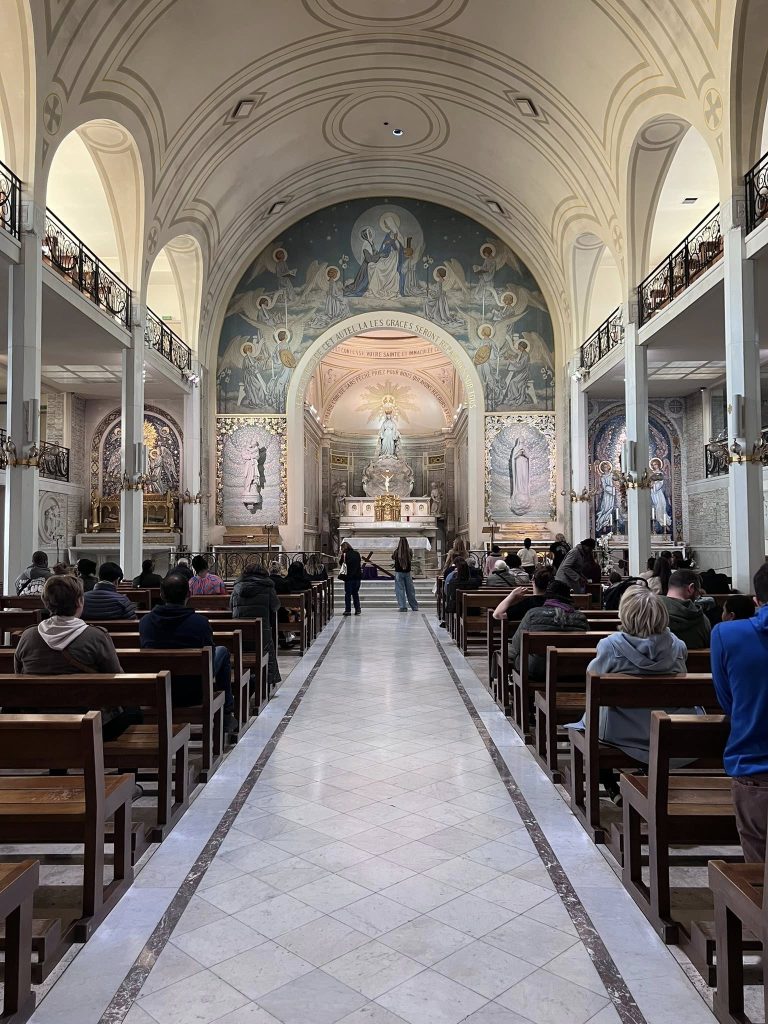
France, Paris: I visited the beautiful Chapelle Notre-Dame de la Médaille Miraculeuse in Paris. It’s a small, humble, but peaceful church where the Virgin Mary is said to have appeared to St. Catherine Labouré giving her the design for the Miraculous Medal.It’s a simple chapel, but the atmosphere is so full of prayer and grace. You can really feel the faith of all the people who have come here over the years.
Our Lady of the Miraculous Medal, pray for us!


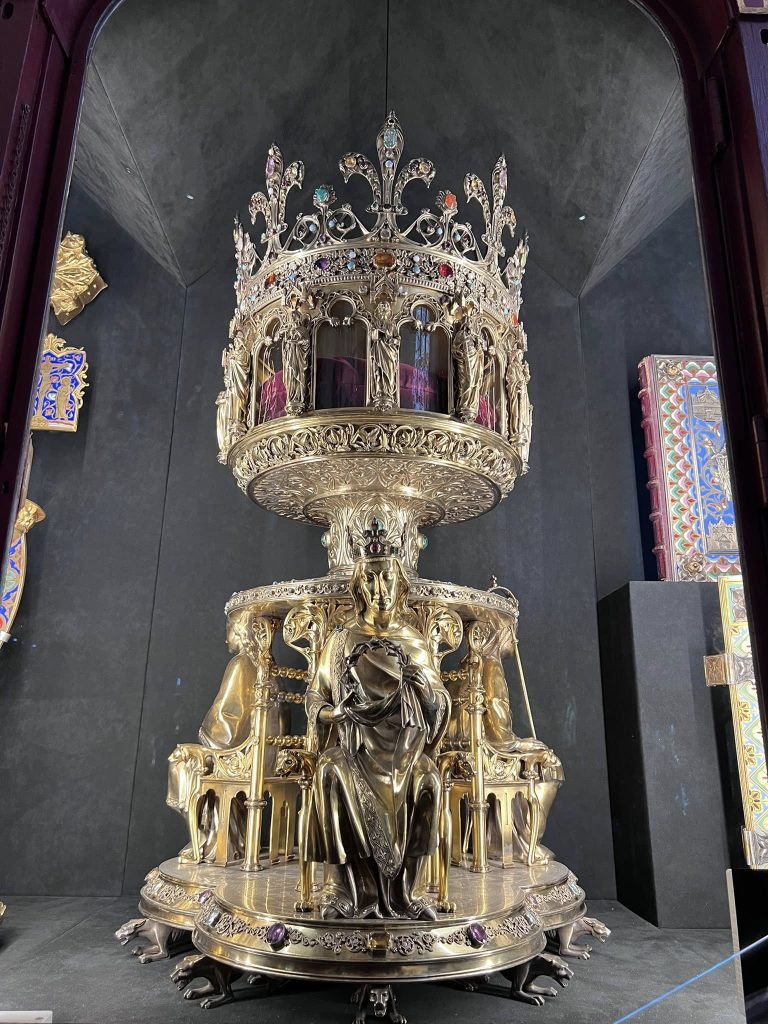
France, Paris: The stunning Reliquary of the Crown of Thorns at Notre-Dame de Paris! This masterpiece was created in the 19th century to house what’s believed to be the actual Crown of Thorns worn by Jesus during His Passion. Brought to Paris by Saint Louis in 1239, the relic survived the 2019 fire and is now safely preserved. A powerful piece of history and faith.
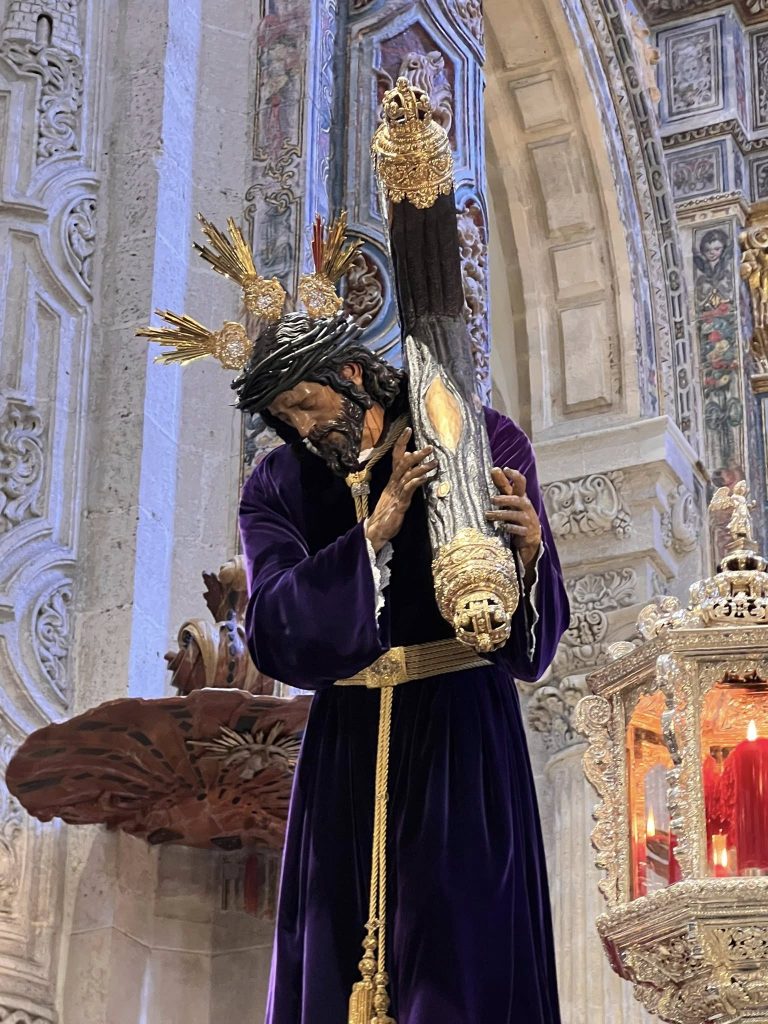
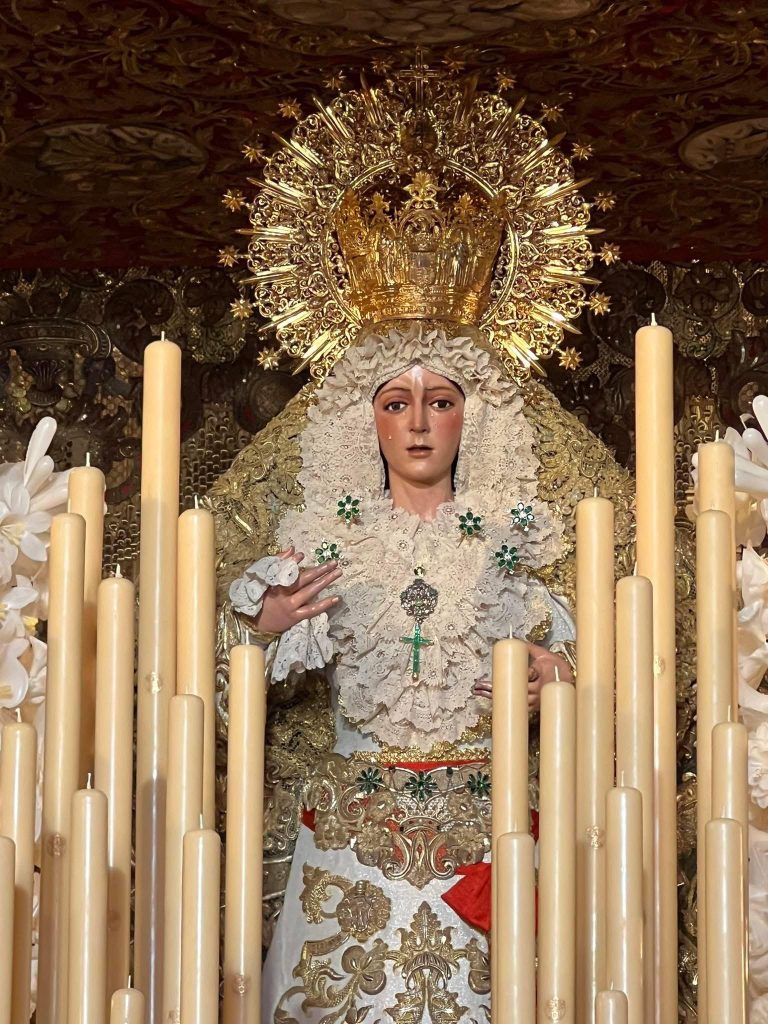
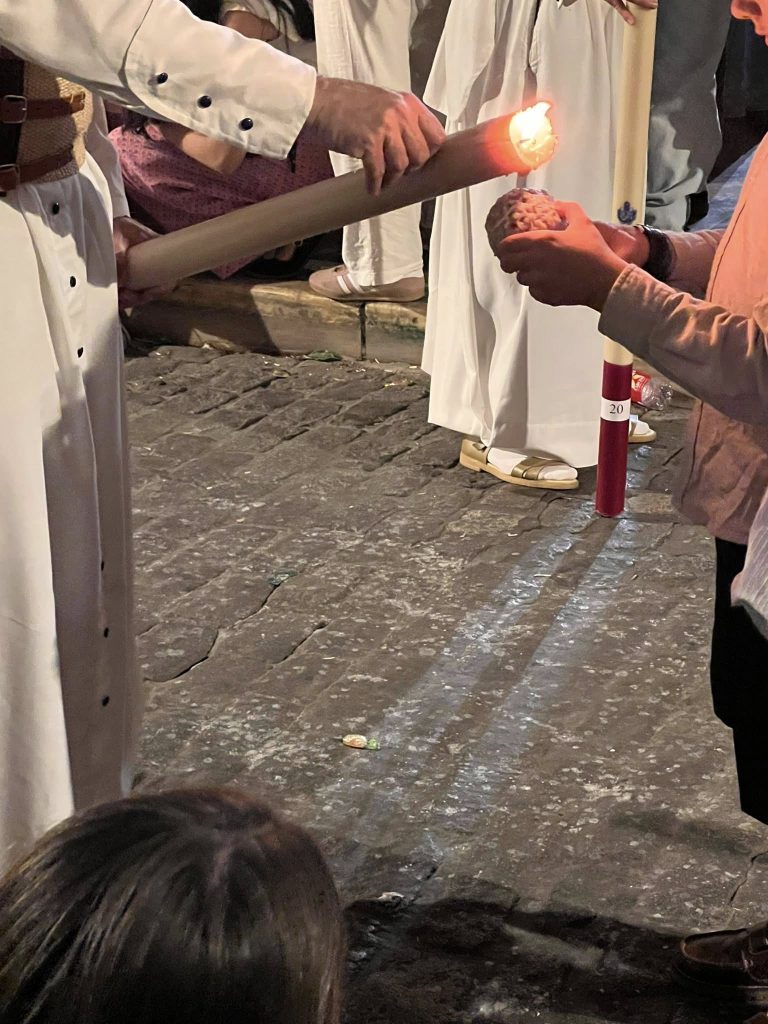
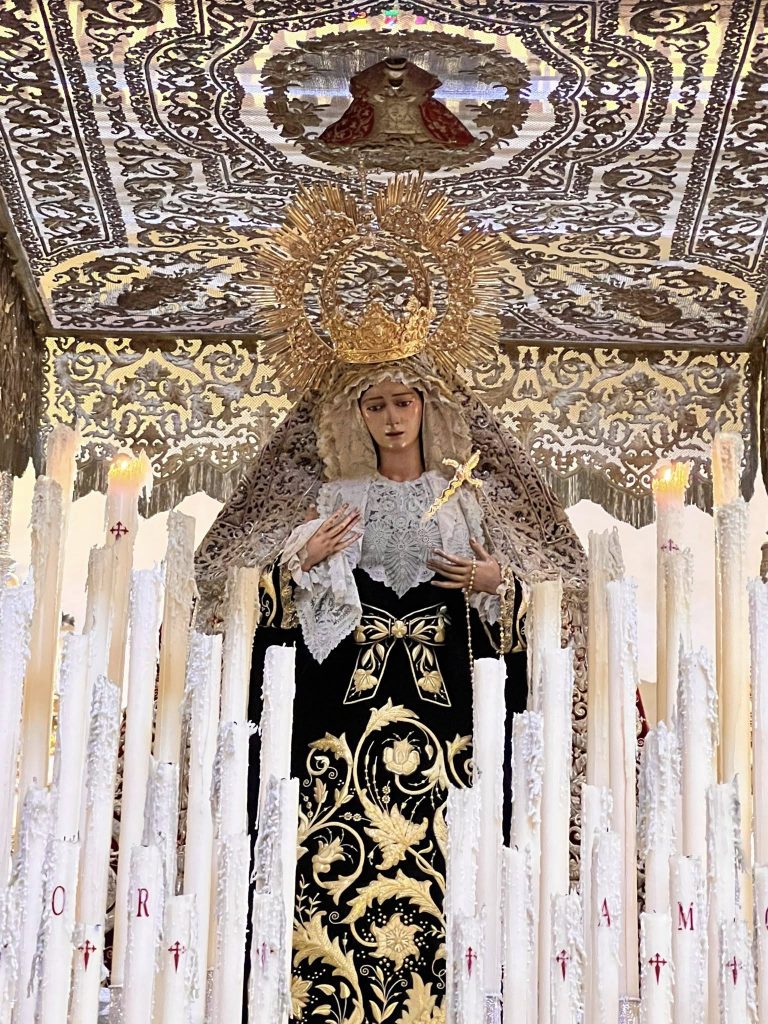
Spain, Seville during Semana Santa :
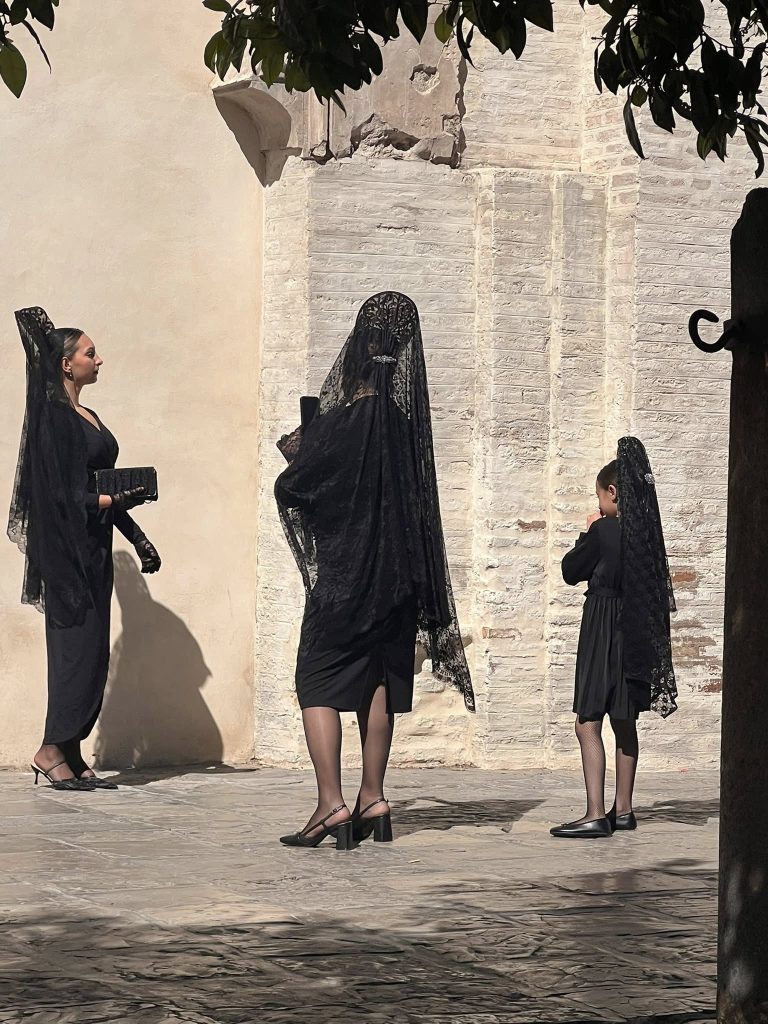
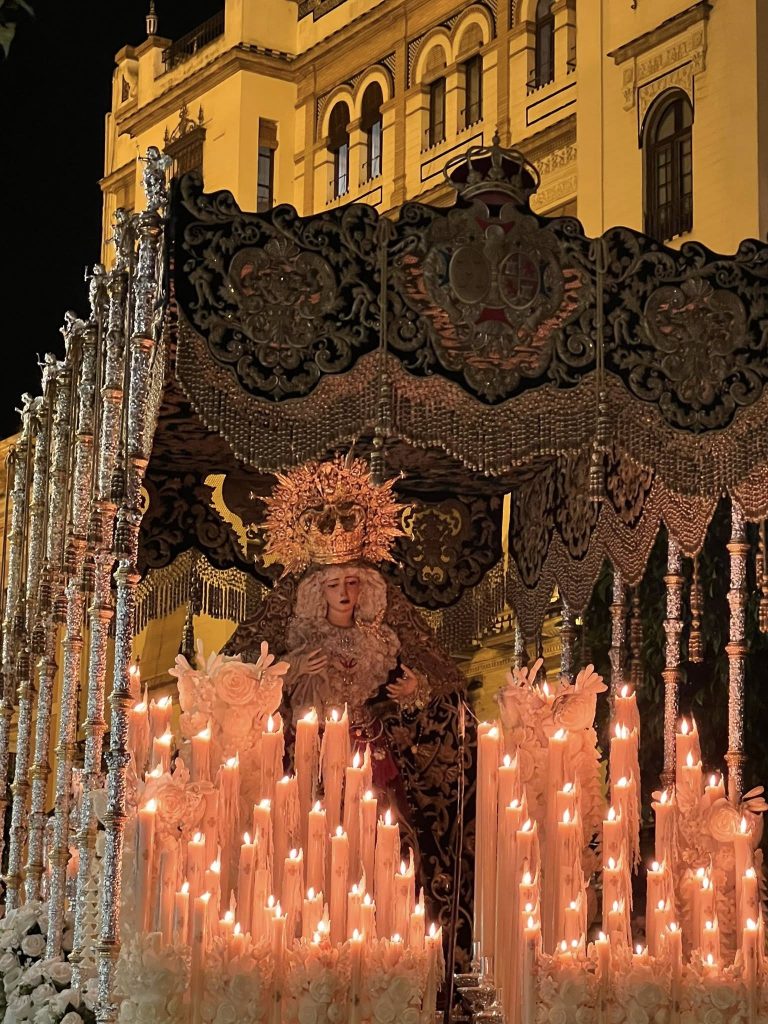
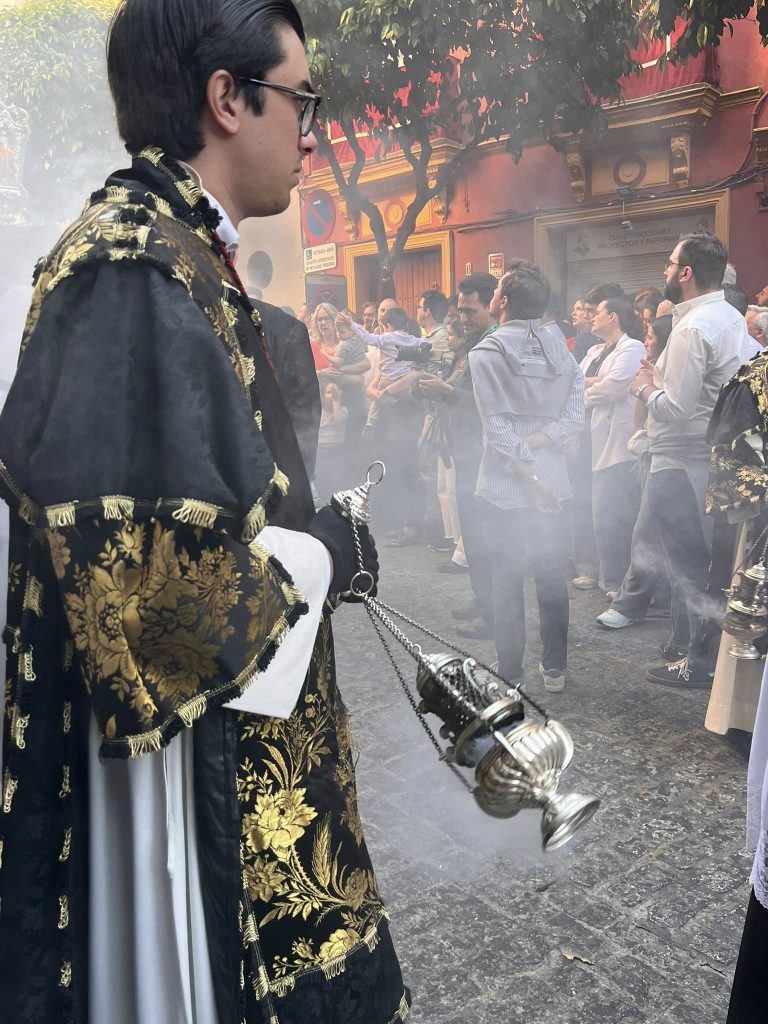
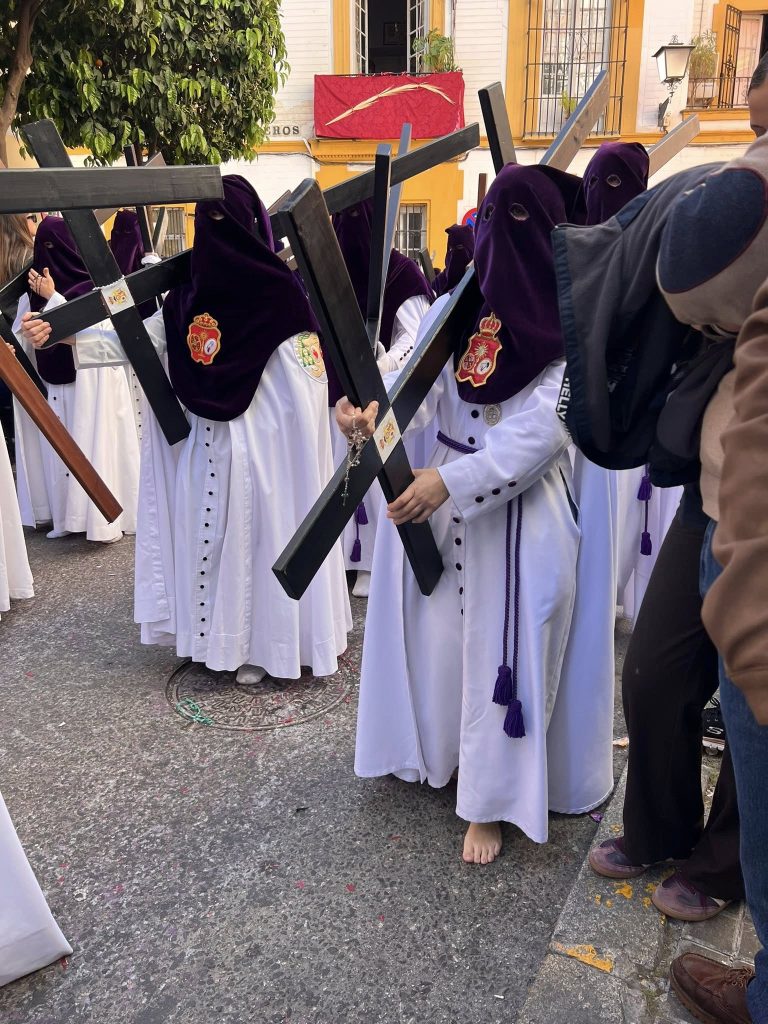
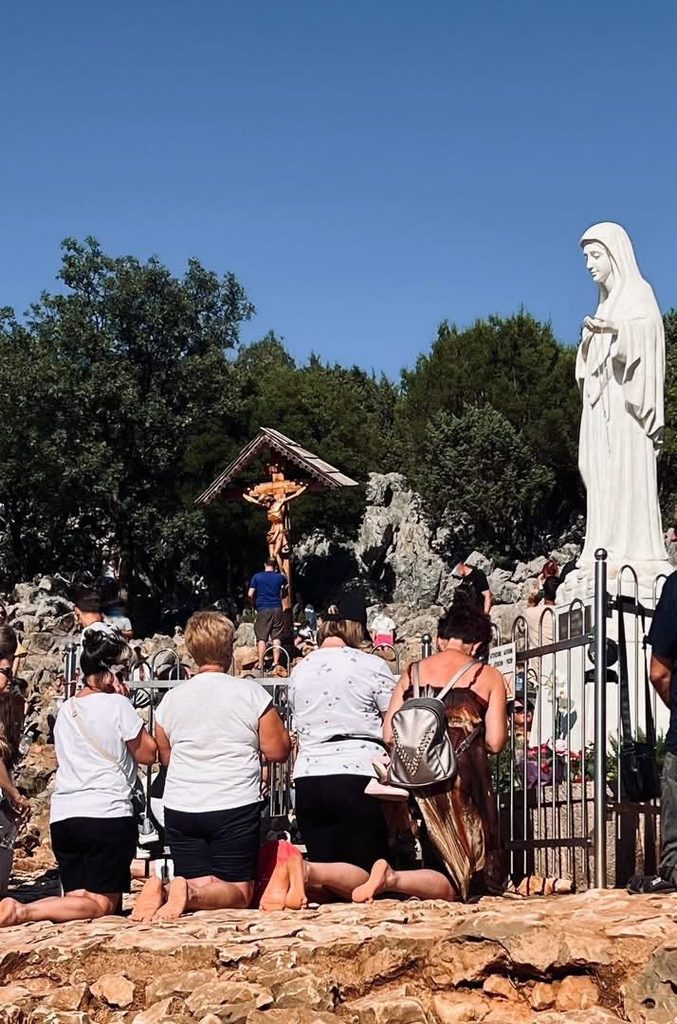
Bosnia and Herzegovina, Medjugorje: How many of you climbed the Apparition Hill? In Medjugorje, devotion often arises naturally. The Rosary, meditation, pilgrims climbing the apparition hill. These simple acts speak of a faith that’s alive. They remind us that prayer doesn’t need to be verbal or perfect but just a willing heart. And such expressions of faith shouldn’t feel unusual when we normalise them. Small devotions, done sincerely, create space for grace to grow.
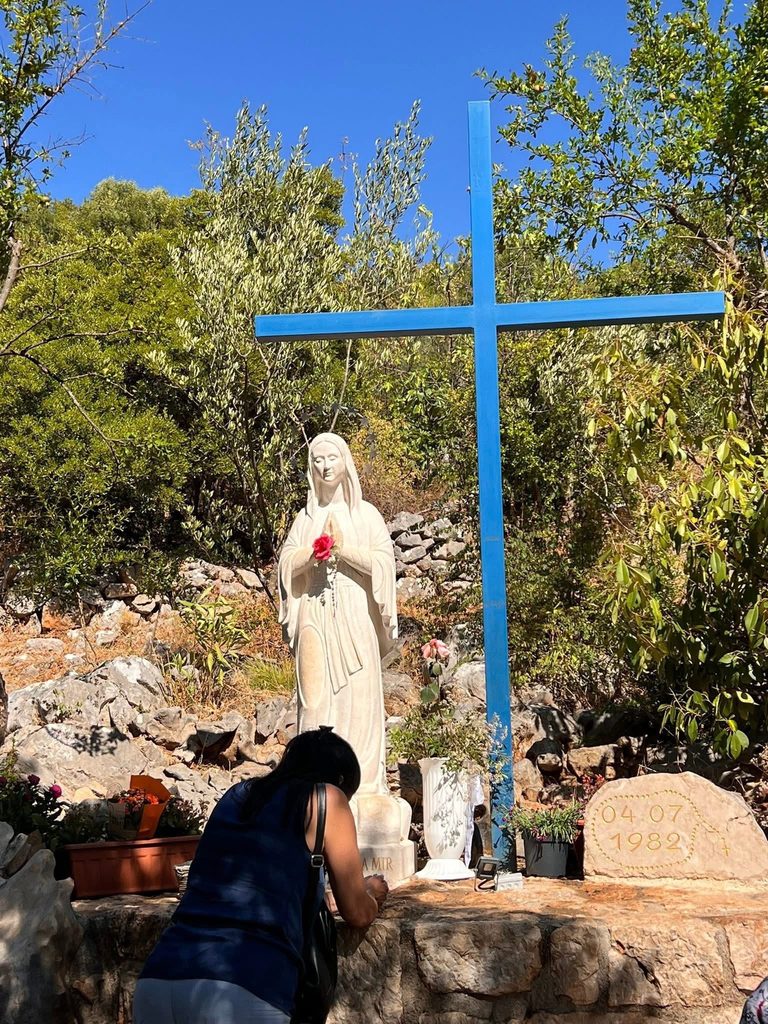
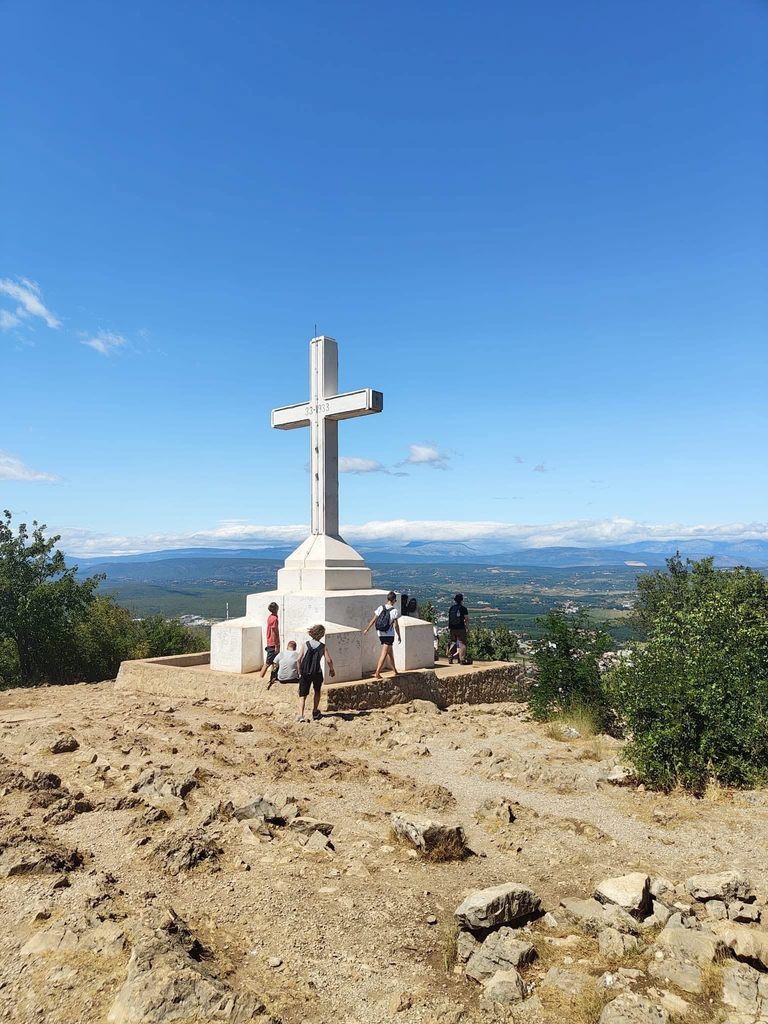
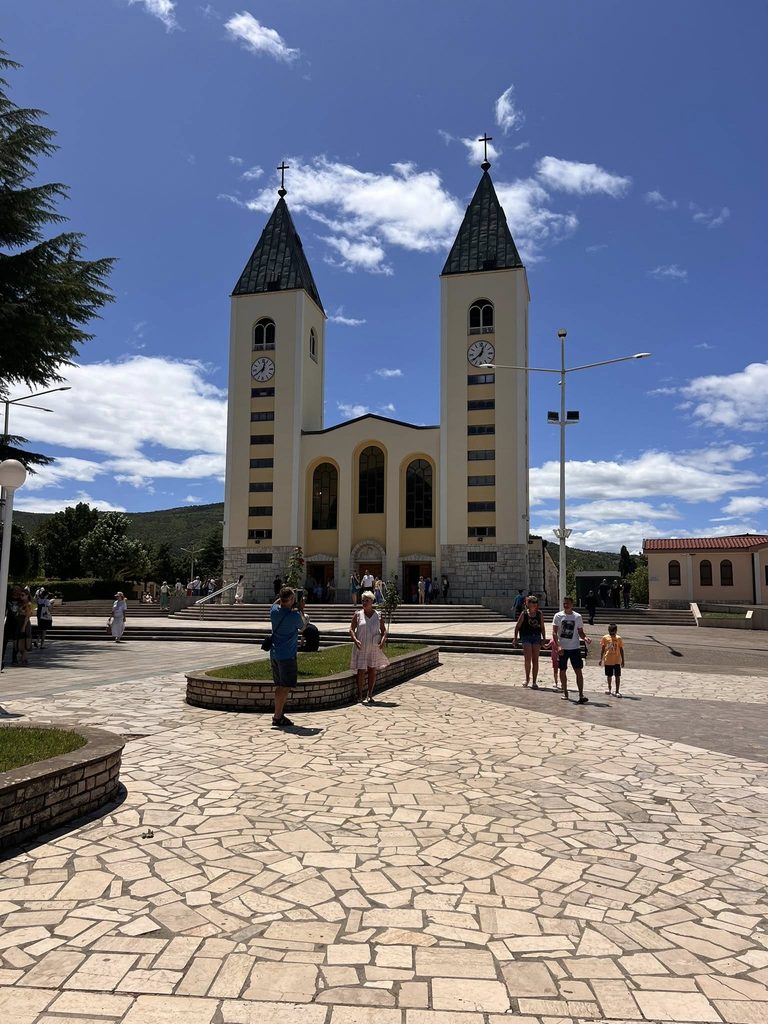
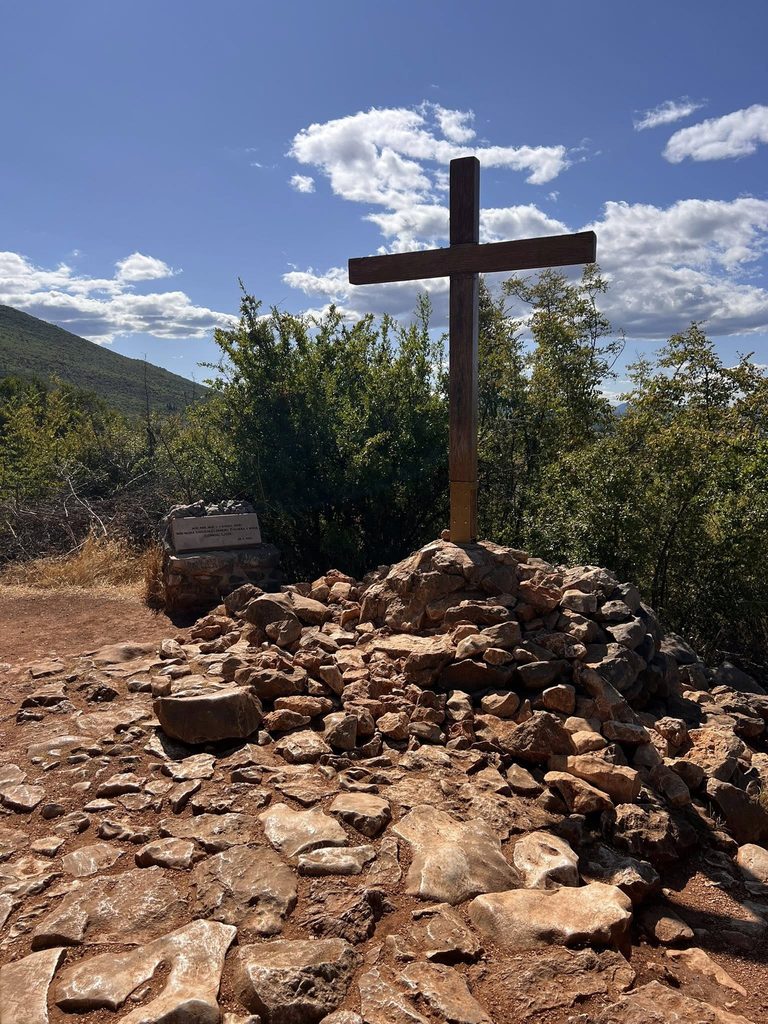
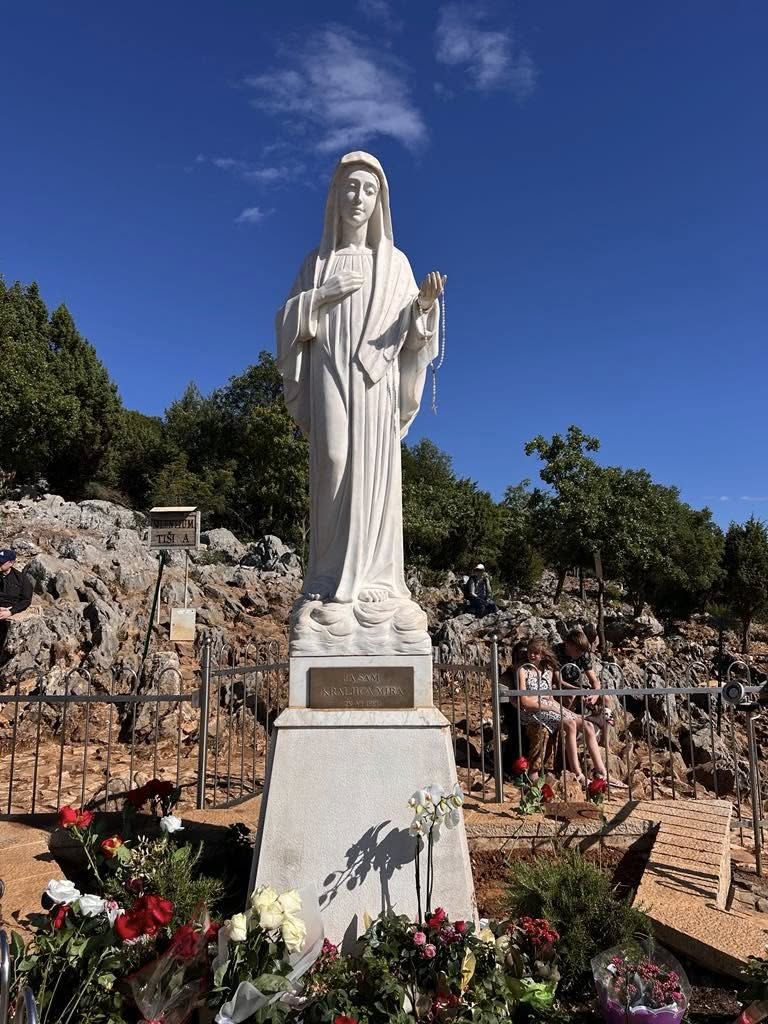
How beautiful was to see young people gathered together at the Medjugorje Youth Festival: praying, climbing Apparition Hill and Cross Mountain, singing, laughing, forming friendships, and discovering faith together.
Some people, especially in countries where popular religiosity is not prevalent, tend to overemphasise the idea that “it’s between me and Jesus”. On the other hand, devotion has to be normalised. We need to make prayer, adoration, traditions, religious customs, Scripture and the sacraments normal parts of young people’s lives, alongside a personal relationship with Jesus.
Personal prayer is beautiful. Silence and solitude can be deeply nourishing. And we need to work on quiet time as well. But especially with children and teenagers, faith should not become predominantly isolated.
Young people also need community, friendship, belonging, conversation, play, healthy relationships and the freedom to grow into themselves. A spirituality driven by fear, guilt, compulsive prayer or withdrawal from others can become unhealthy.
The risk, especially for young people, is when private devotion becomes isolation, compulsive prayer, scrupulosity, excessive guilt, fear of God, perfectionism, or withdrawal from friendships and ordinary life. Healthy spirituality should deepen freedom, love, relationships and wellbeing and not replace them or become driven by anxiety.
Catholicism was never meant to be lived in isolation. We encounter Him personally, but we also encounter Him in one another. The paper “Unpacking the Complex Relationship Between Religiosity and Adolescent Mental Health” shows that popular, widespread religiosity strongly supports youth well-being by fostering purpose, happiness, self-esteem and resilience against anxiety and discrimination. Having said that, it also indicates that this cross-cultural review notes that the benefits can fade into neutral or negative outcomes if religious involvement is purely passive, extrinsically motivated, or rooted in rigid, adverse attitudes.
Besides the well-known Lourdes, Fatima and Medjugorje, there are popular localised devotions everywhere, some of them international, such as Lough Derg.
Faith begins in a personal encounter with Jesus, but grows in a community learning to follow Him together.
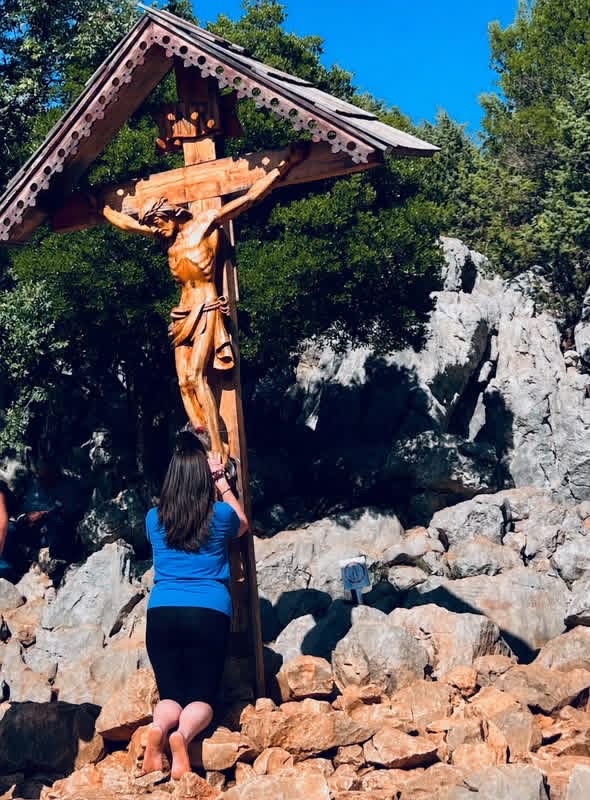
Bosnia and Herzegovina, Mostar : The Franciscan Church of Saints Peter and Paul in Mostar, in Bosnia and Herzegovina, is a significant symbol of Catholic heritage and post-war renewal. The former church was destroyed during the 1993 Bosnian war and the current one was rebuilt and stands as a powerful testament to resilience and faith. Next to it rises the Peace Bell Tower, completed in 2000. It offers stunning views of the city. The church is quite active and we attended the recitation of the rosary with the local community.

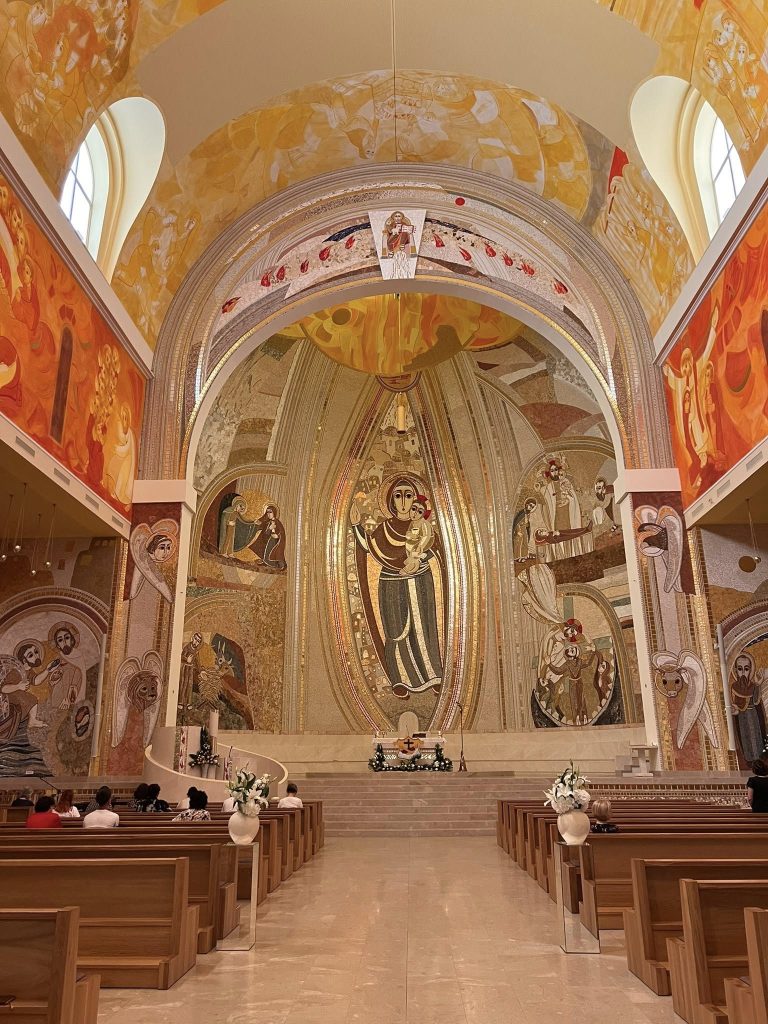
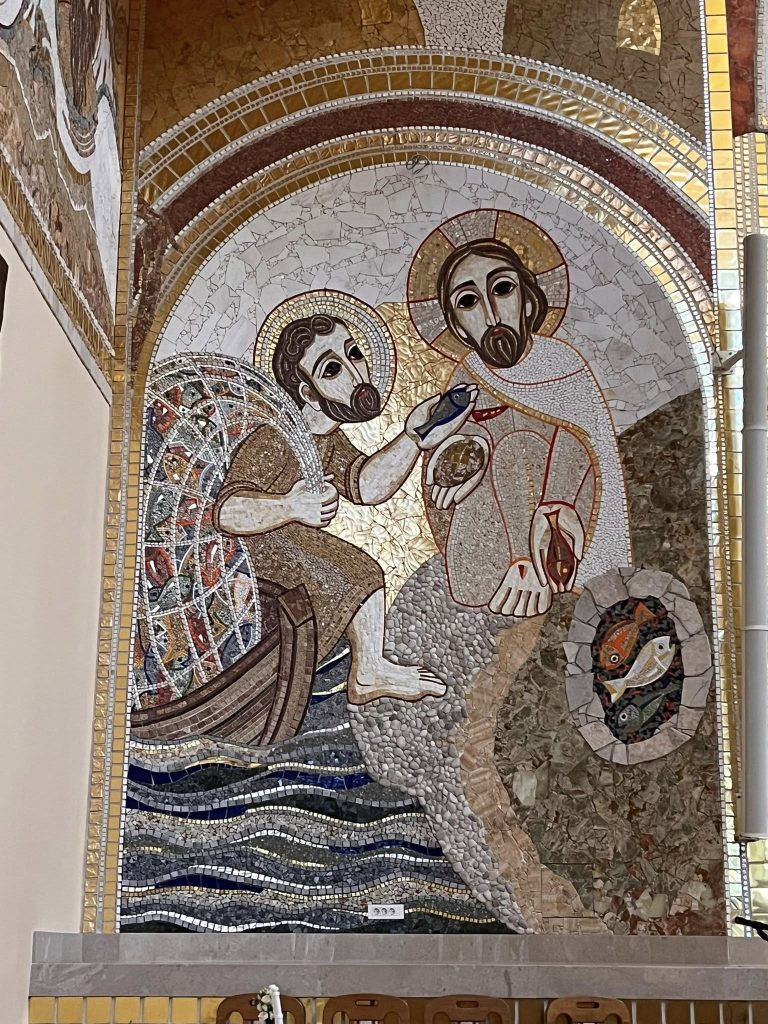

Kosovo, Pristina: I spared a moment of prayer at the Cathedral of Saint Mother Teresa, in Pristina, Kosovo. This cathedral was inaugurated in 2010 and completed in later stages. The modern architecture reflects both spiritual and cultural significance. It serves as a centre for worship and a symbol of unity and peace honouring the legacy of our great saint, a humanitarian global figure.

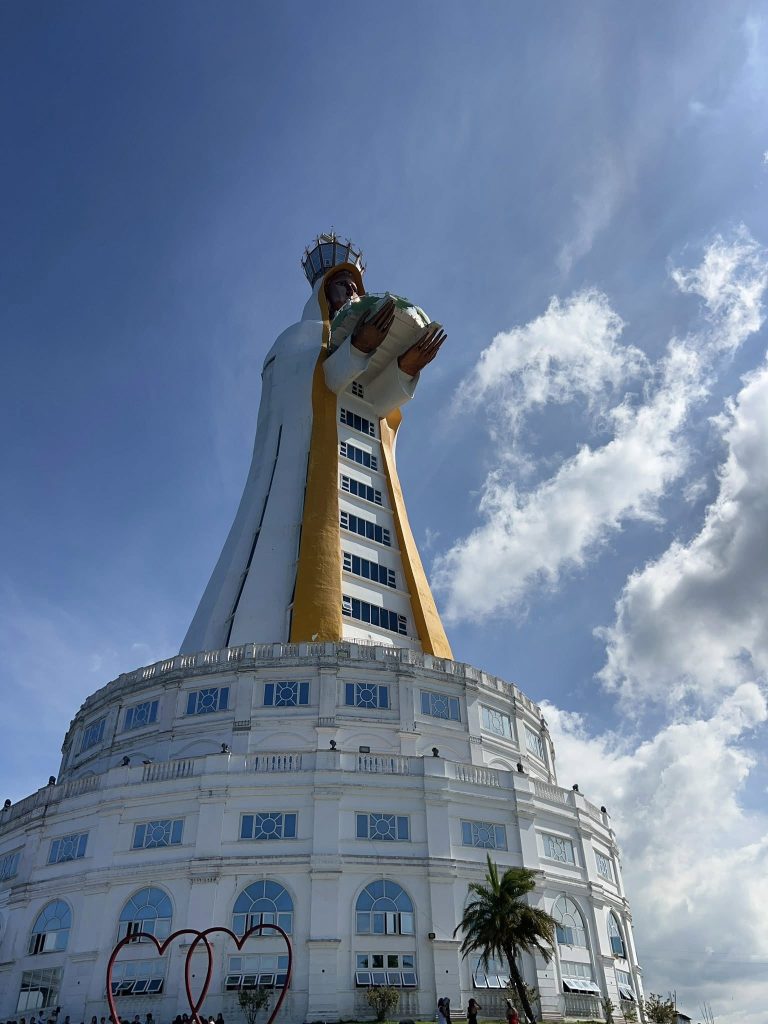
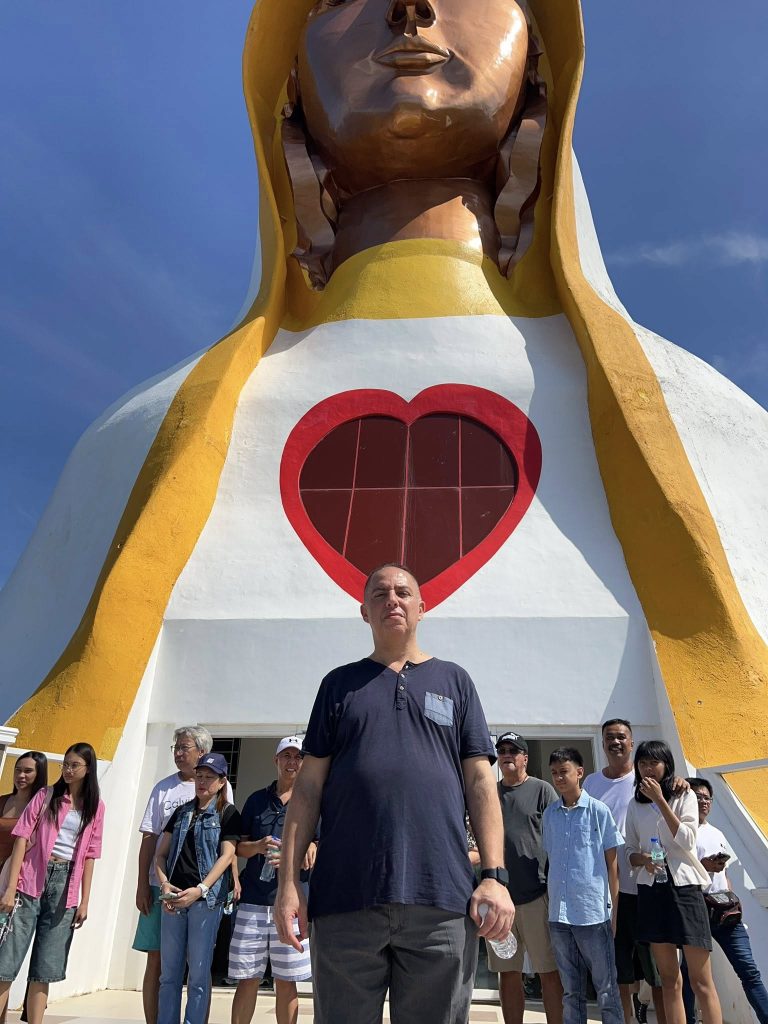
Philippines, Batangas City, MonteMaria: Montemaria is located in Batangas City, Philippines, is a Catholic pilgrimage site. I was impressed by the “Mother of All Asia – Tower of Peace”, the tallest statue of the Virgin Mary in the world at 98.15 metres. Overlooking Batangas Bay, it symbolises peace and unity across Asia. The site includes landscaped gardens, and chapels. The site is currently being developed to include the Miracle Walk,a scenic glass walkway.

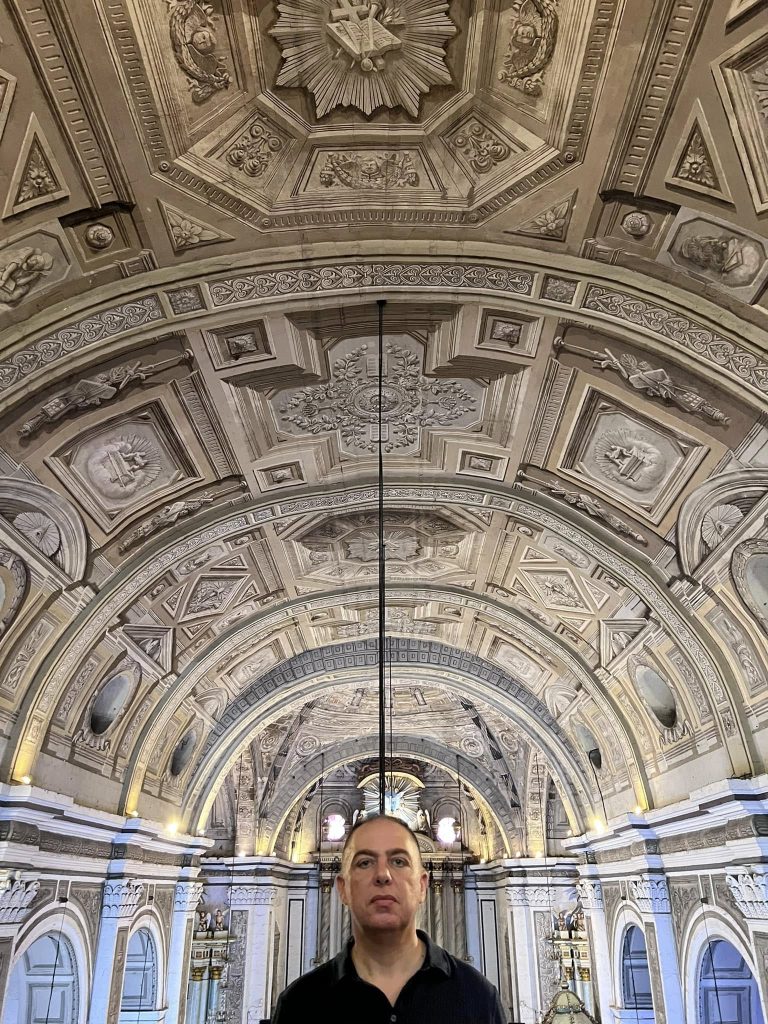
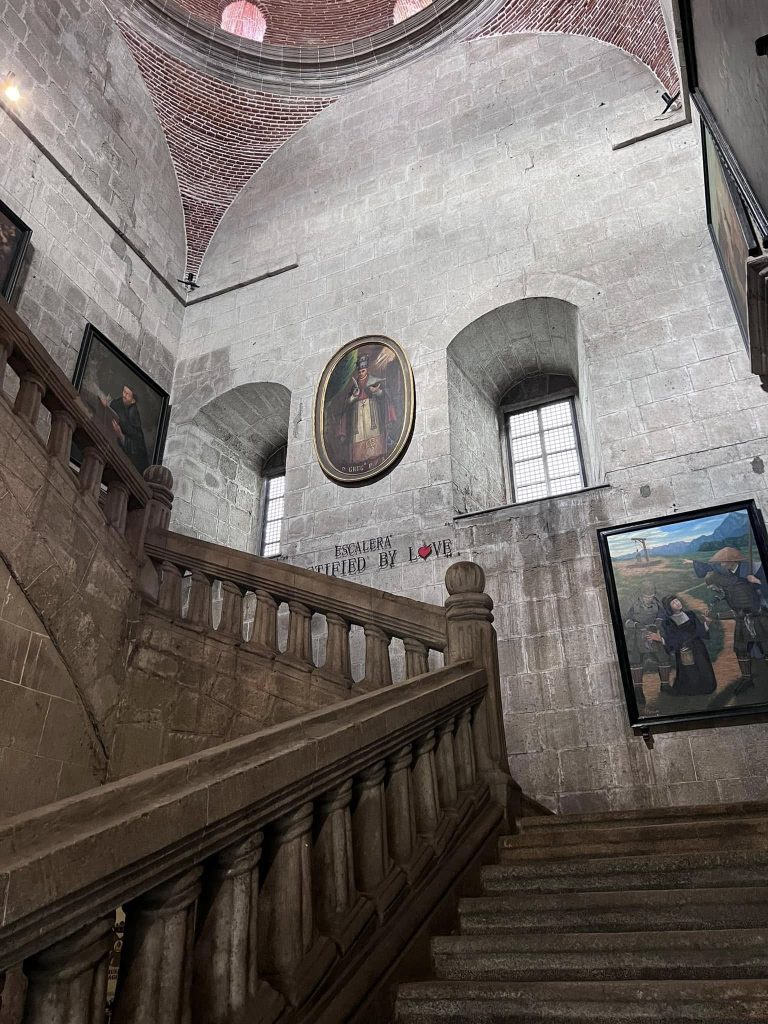
Philippines, Manila: I was truly immersed in the rich history and heritage of St. Augustine Church, also known as San Agustin Church, located in the heart of Intramuros, Manila.
Recognized as a UNESCO World Heritage Site, this iconic landmark is the oldest stone church in the Philippines, built in 1607. Its intricate Baroque architecture, magnificent interiors, and awe-inspiring ceiling murals make it a must-see destination for history enthusiasts and spiritual seekers alike.


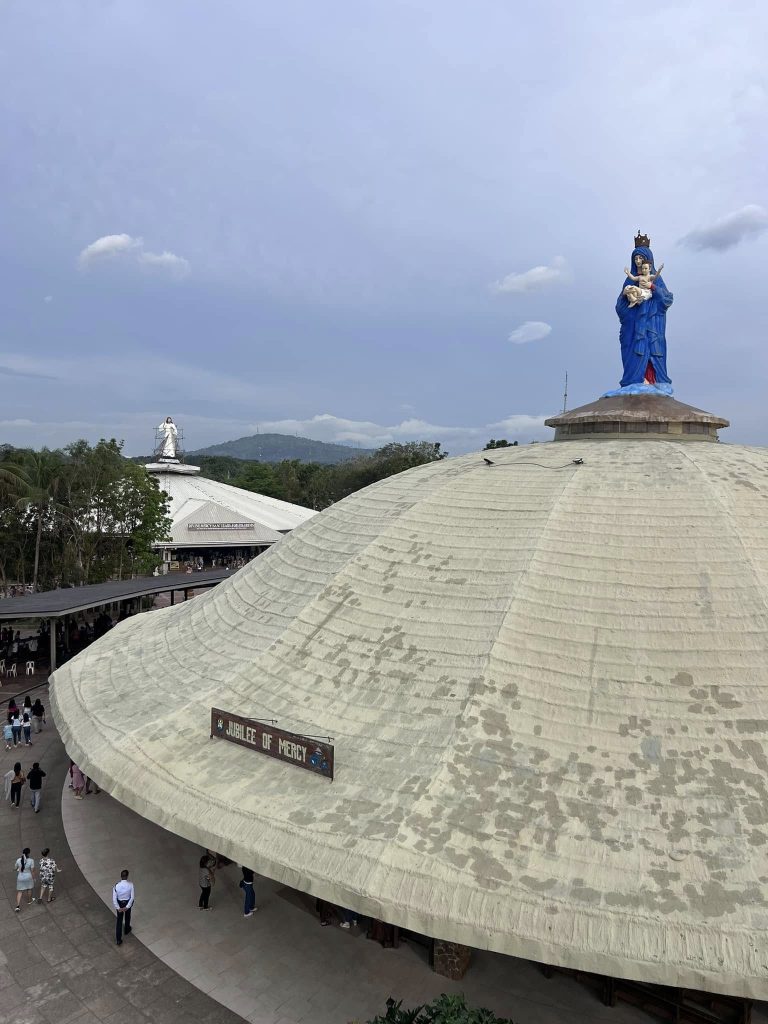
Philippines, Santo Tomas, Batangas: The National Shrine of St. Padre Pio, located in Santo Tomas, Batangas, is a beautiful place of prayer and pilgrimage in the Philippines. Its unique architecture features an open design symbolizing welcome, with a roof shaped like a salakot, representing Filipino culture. The sanctuary exudes peace, and its solemn atmosphere draws countless visitors seeking spiritual renewal.


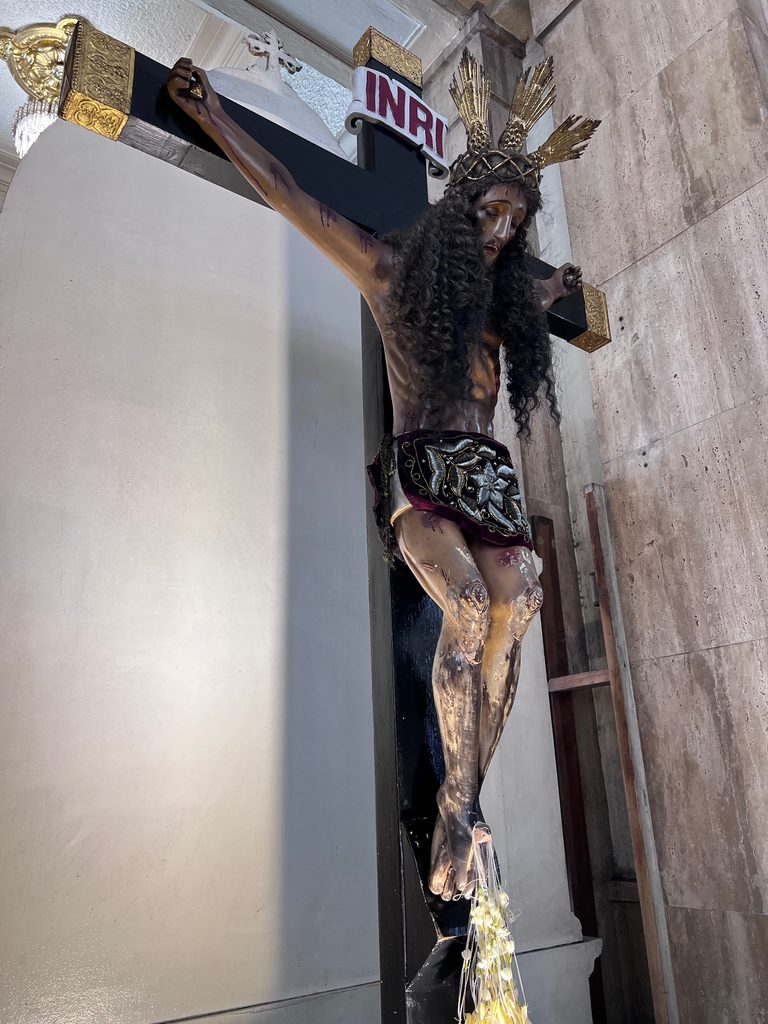
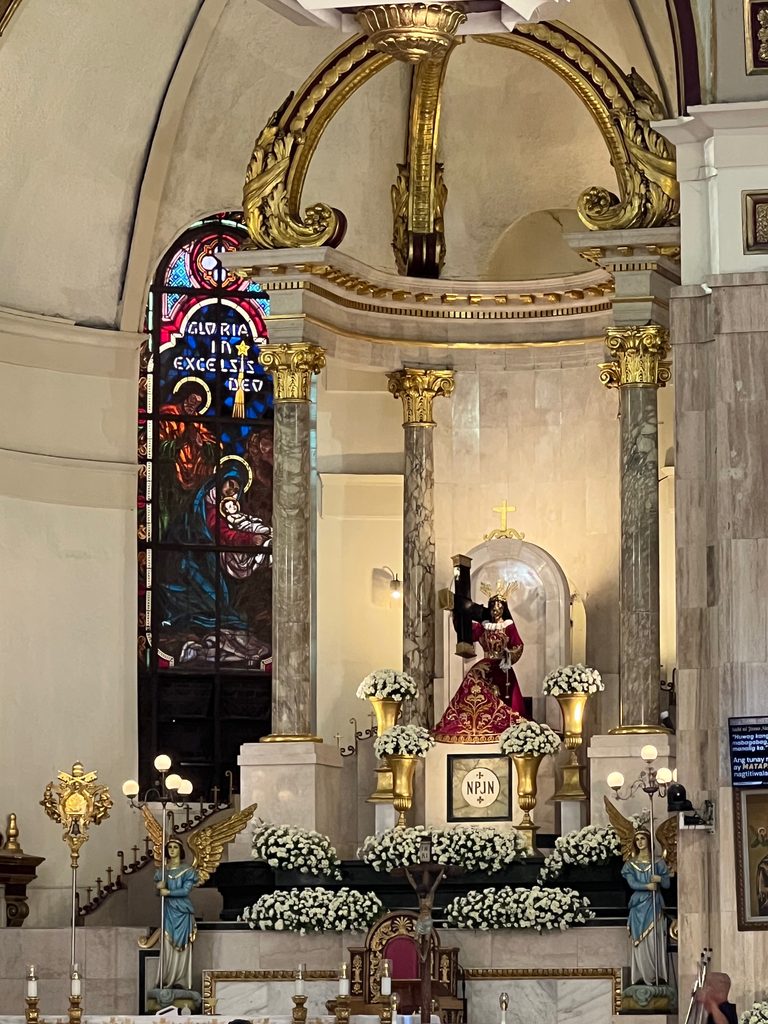
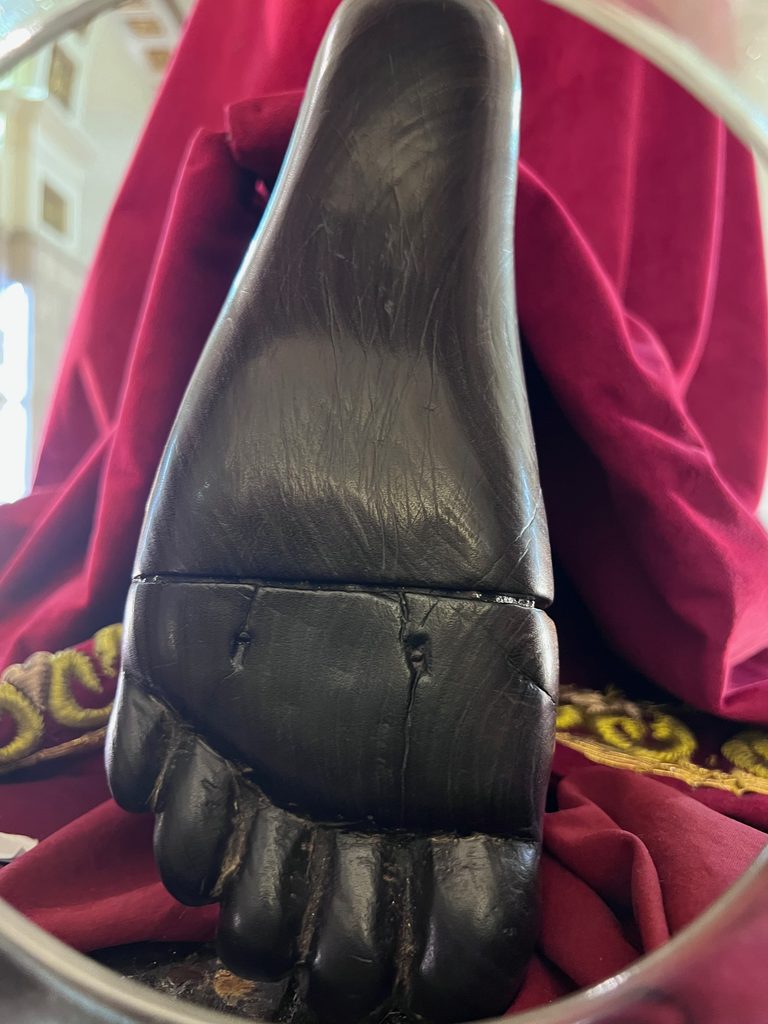
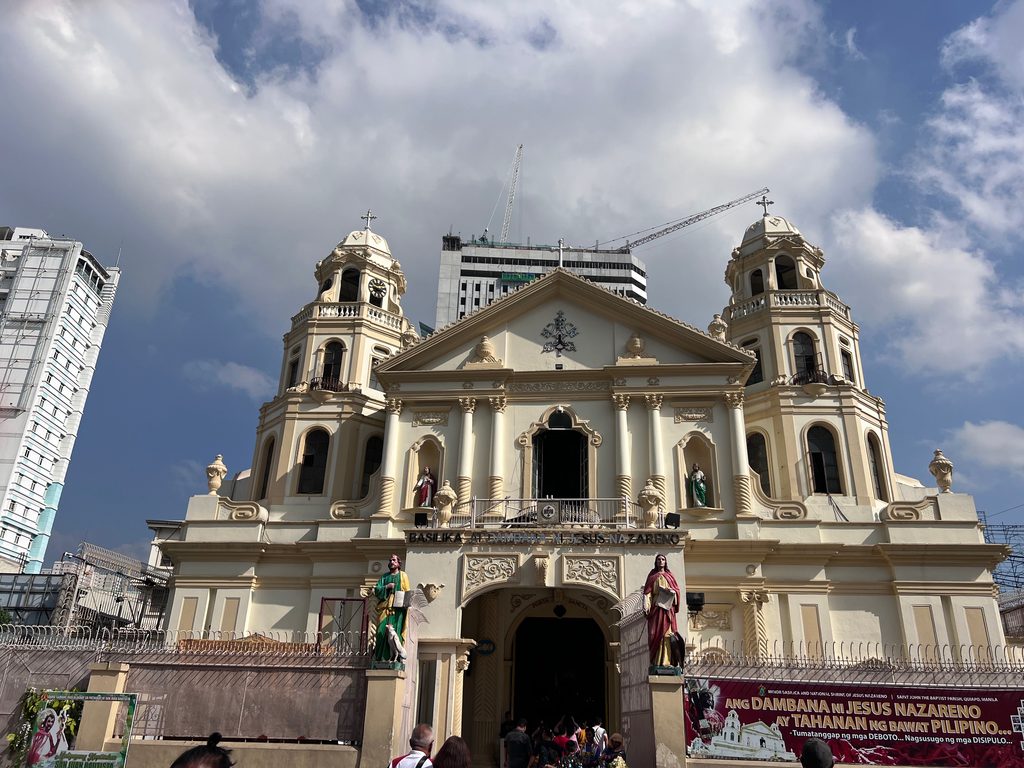
Philippines, Manila, Quiapo: Quiapo Church in Manila is home to the revered Black Nazarene, an image of Jesus carrying the Cross, known as Nuestro Padre Jesús Nazareno. The devotion is one of the most profound expressions of popular Catholic faith in the Philippines, drawing enormous numbers of devotees, particularly for the annual Traslación procession. For many Filipino Catholics, the Black Nazarene represents Christ’s suffering, sacrifice and love, and their own desire to accompany Him in faith.
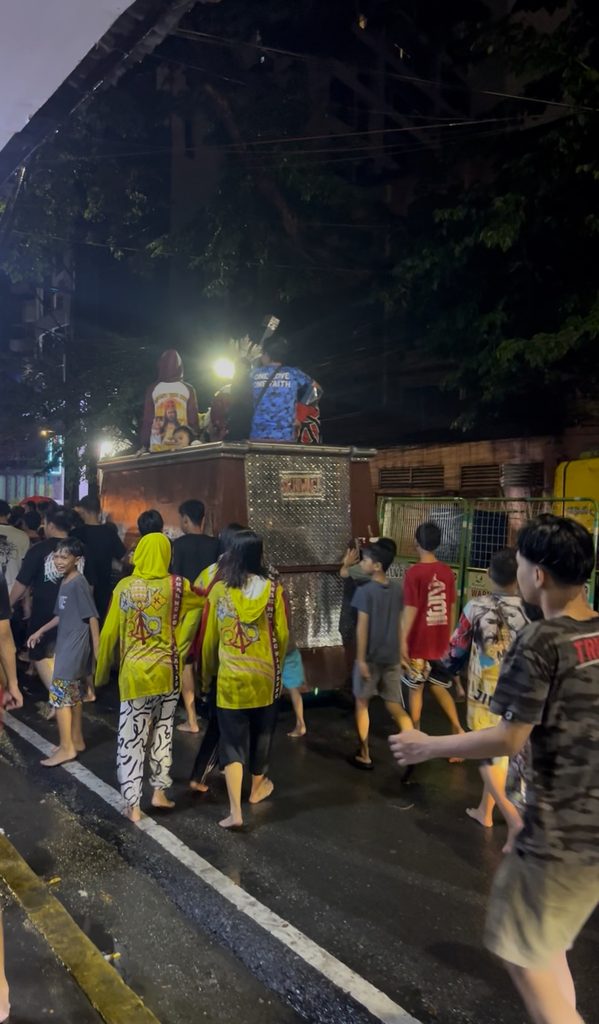
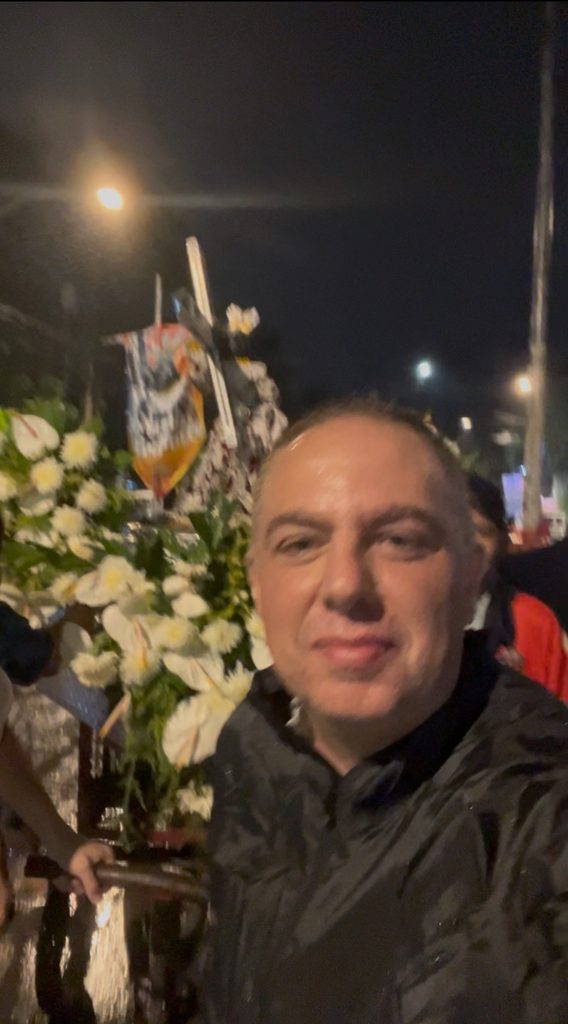
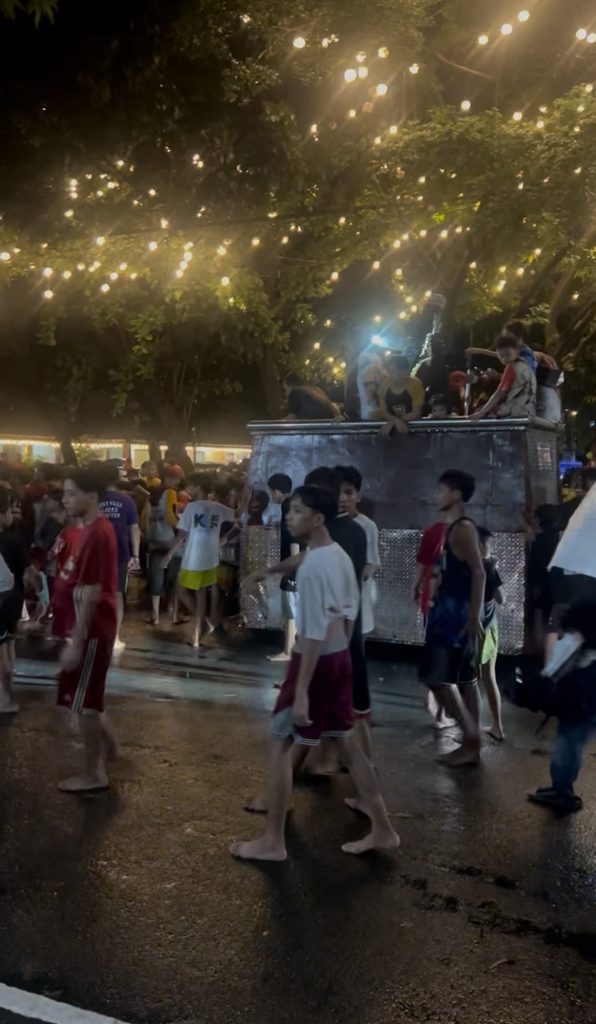
I never experienced the famous Quiapo procession itself, but I had the privilege of witnessing and partly taking part in a night-time procession in Manila in honour of the Black Nazarene.