Christ's Heavy Cross

The heavy cross you freely chose to carry.
Like us, you lived through bitter times of dismay,
As in the garden as you shed blood and sweat,
you showed us all how we should pray each day.

        Thanks to the power of your resurrection,
       to bear life’s cross give us help and protection (X 3) 
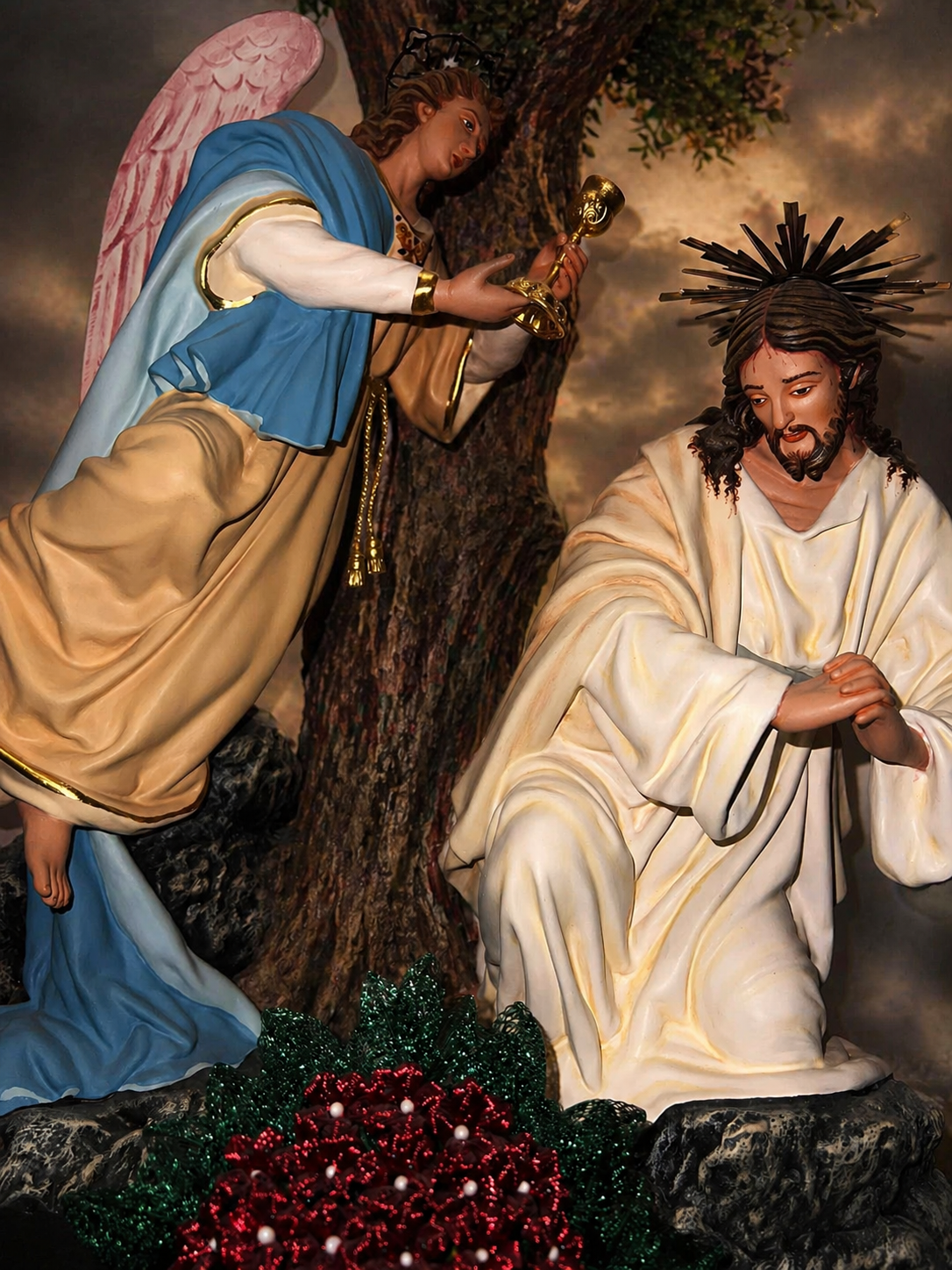
 

Made just like us, physically weak and frail,
so that we then would understand you still more,
till you endured such horrid pain and torture,
the cruel beatings you ultimately bore.


       Thanks to the power of your resurrection,
       to bear life’s cross give us help and protection (X 3) 
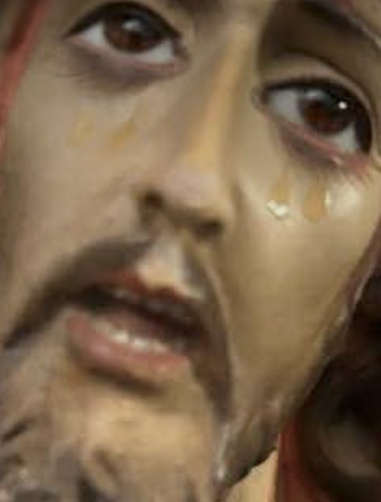
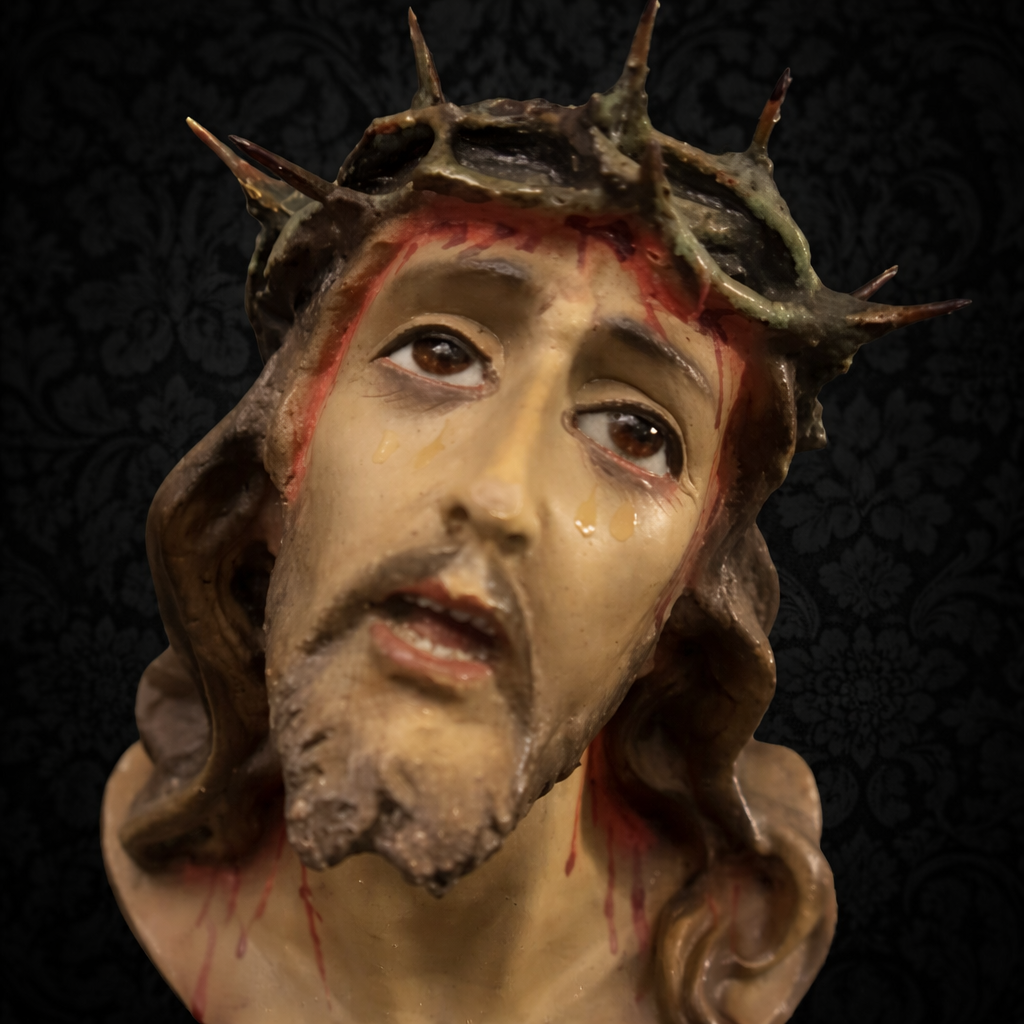
A crown of thorns was placed upon your own head,
to make you thus an object of derision,
By folks of our ilk who shamed you deeply so,
and lashings dealt without an intermission.

       Thanks to the power of your resurrection,
       to bear life’s cross give us help and protection (X 3) 
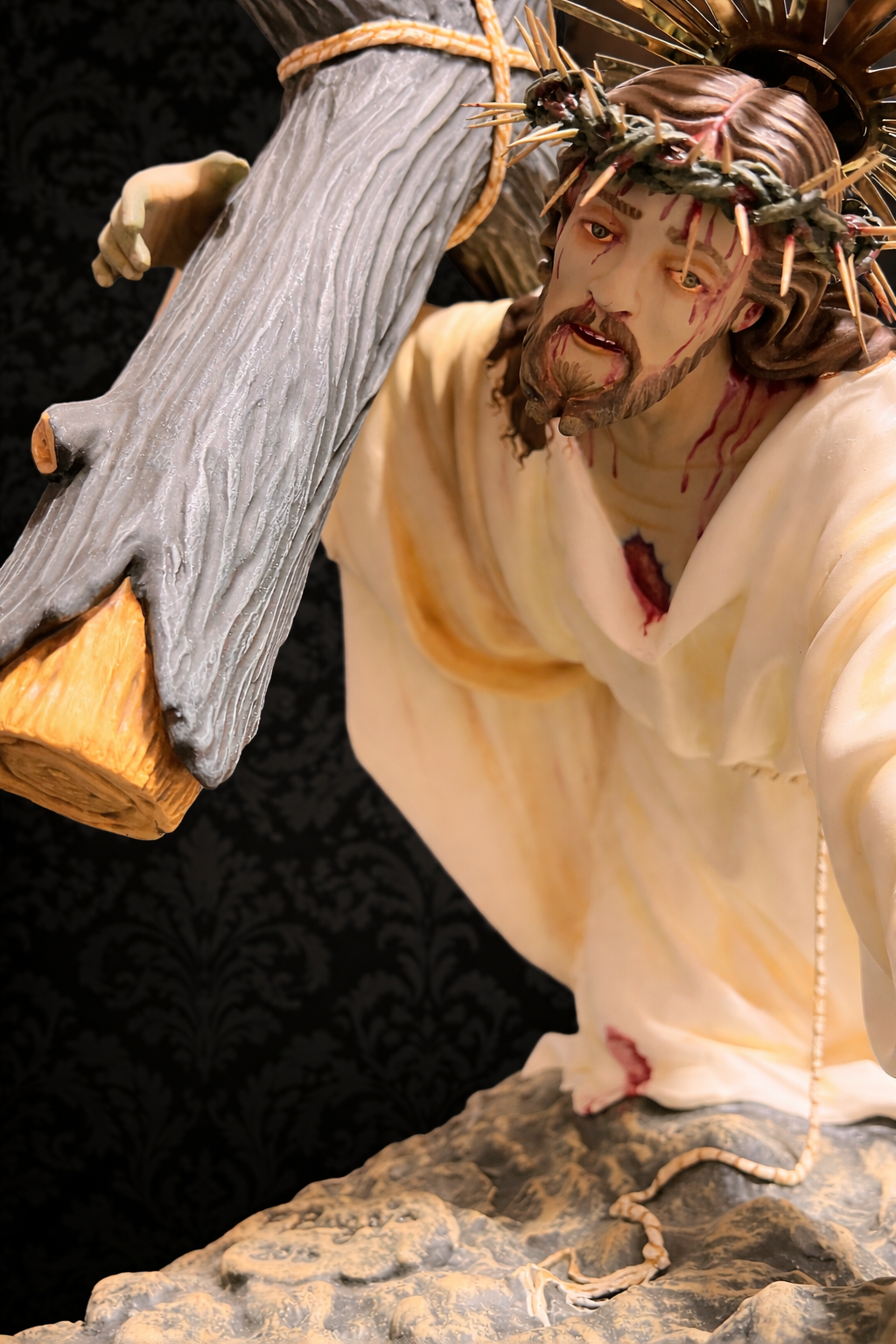
A heavy cross they made you carry onward,
And you did so by faithfully obeying,
to show us thus that our own heartfelt sorrows
with sheer hope could still strongly go on swaying.

       Thanks to the power of your resurrection,
       to bear life’s cross give us help and protection (X 3) 


And on the heavy cross that man erected, through sufferings and insults so unkind, you did this by taking on our likeness, coming here just as you had in mind.

       Thanks to the power of your resurrection,
       to bear life’s cross give us help and protection (X 3) 
Nihil Obstat,
die 3a Februarii 2026
Sac. Hector Scerri
Cens. Theol.

Imprimatur
Datum in Curia Archiep
Melit , Floriane
die 3a Februarii 2026
+ Joseph Galea Curmi
Ep. tit. Cebaradasen
Vicarius Generalis

The aim of this page is to reawaken our spirit, fortify our character, deepen our faith, and uphold us in times of trouble. It also seeks to preserve tradition and nurture devotion through sound religious formation.

Credits and sources

Photographs taken by me:
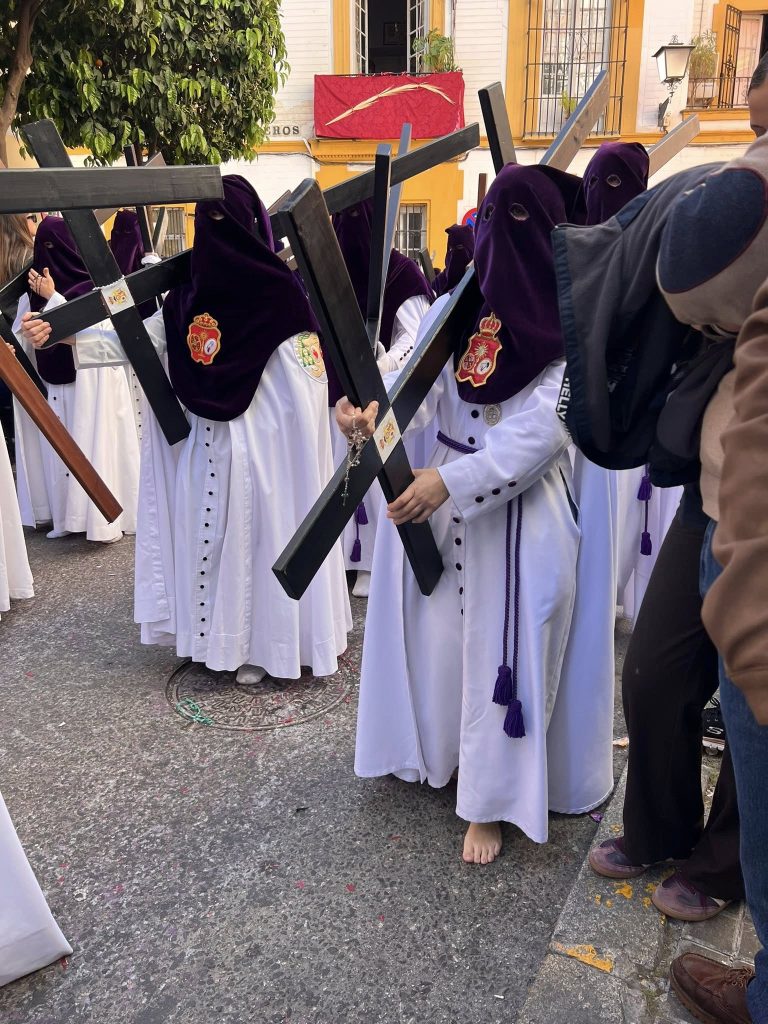
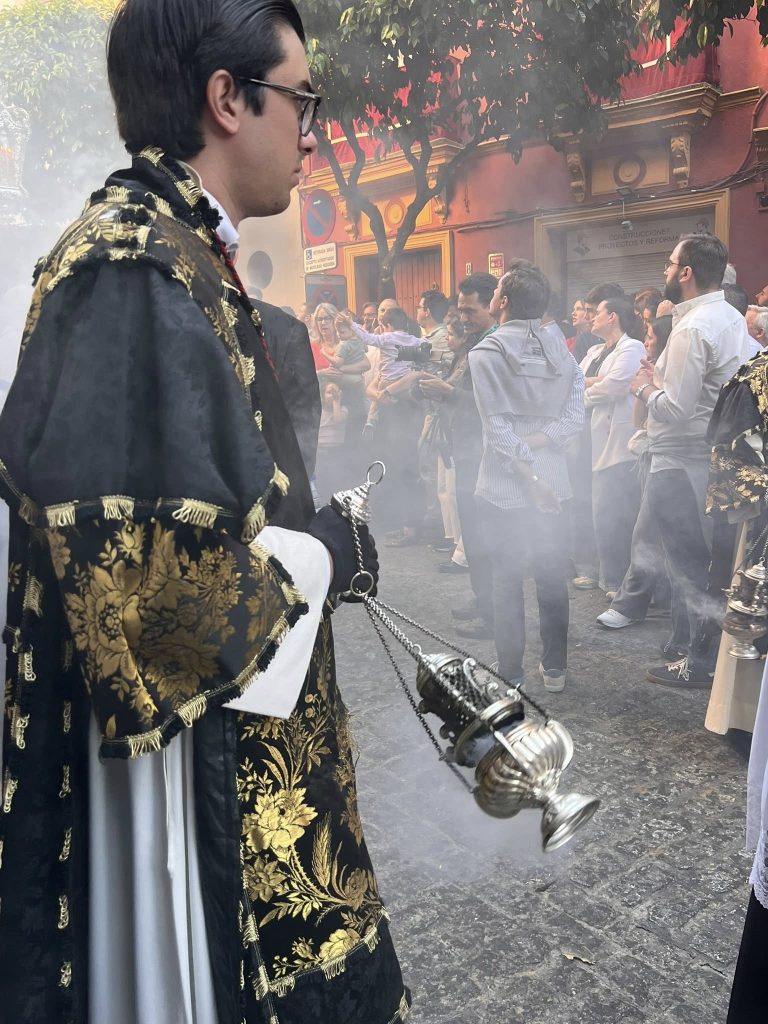
– Semana Santa, Seville (2026)
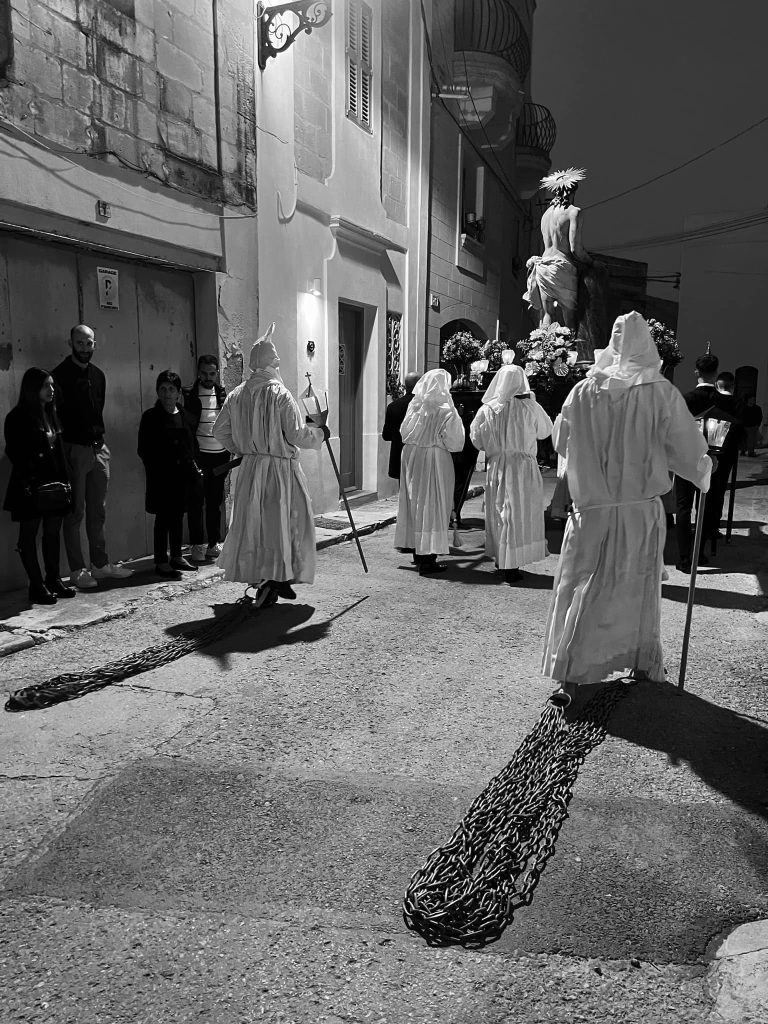
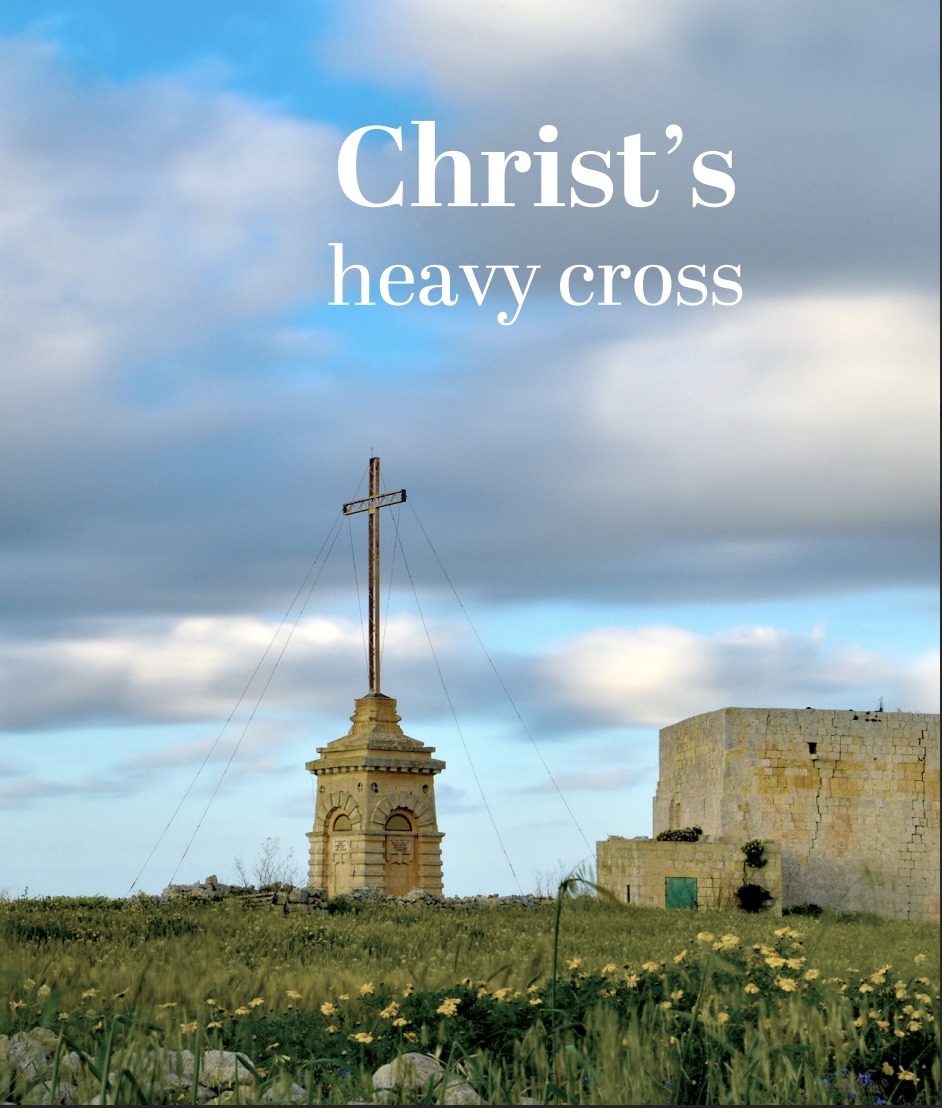
– Good Friday, Mosta (2024)
– Semana Santa confraternities (men and women), Seville (2026)

Prayer written by me.

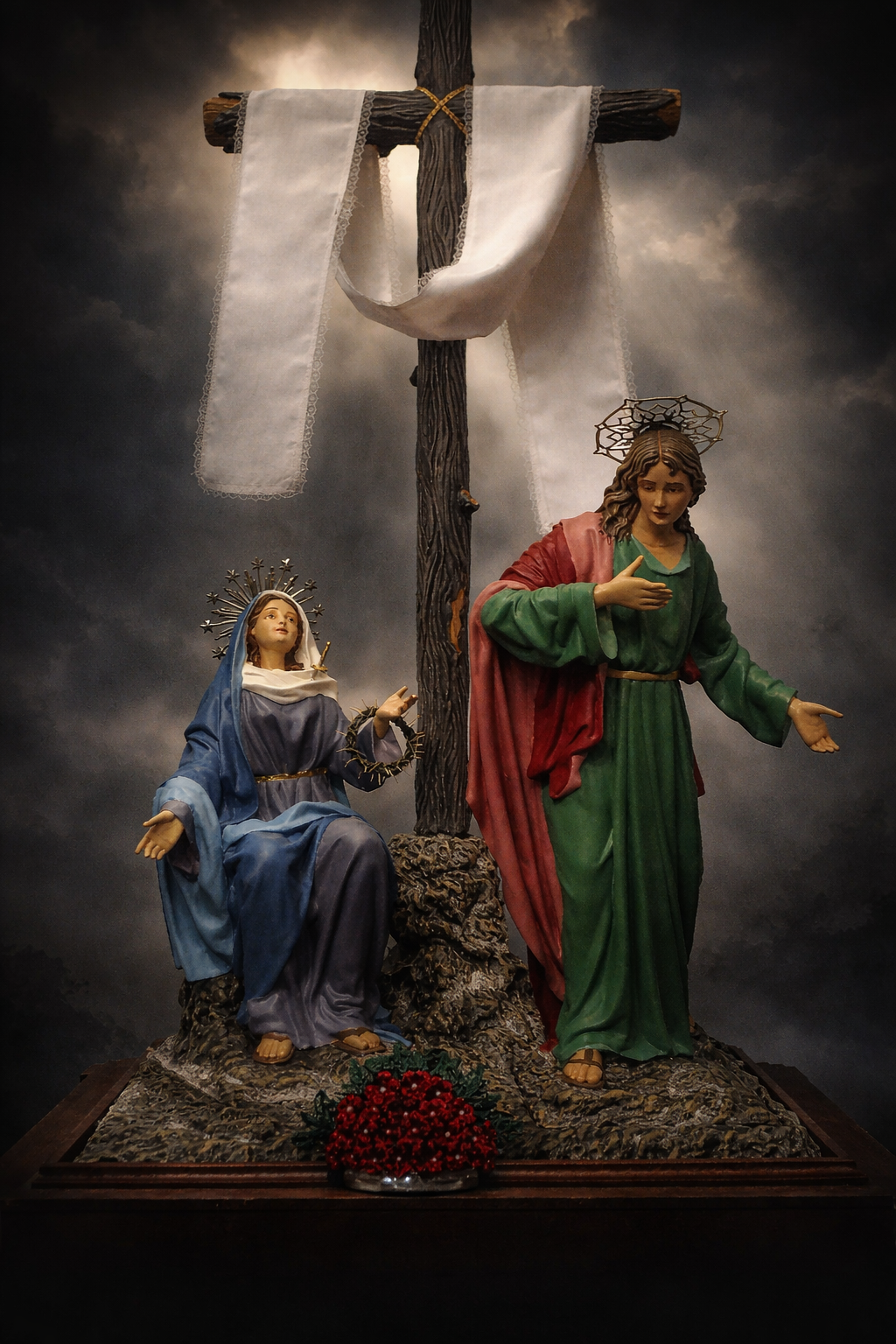
Statues created for me by Pierre Bugeja:
– Our Lady of Sorrows
– Christ in Gethsemane
– Jesus carrying the Cross

Items from my collection:
– Cristo de Limpias bust
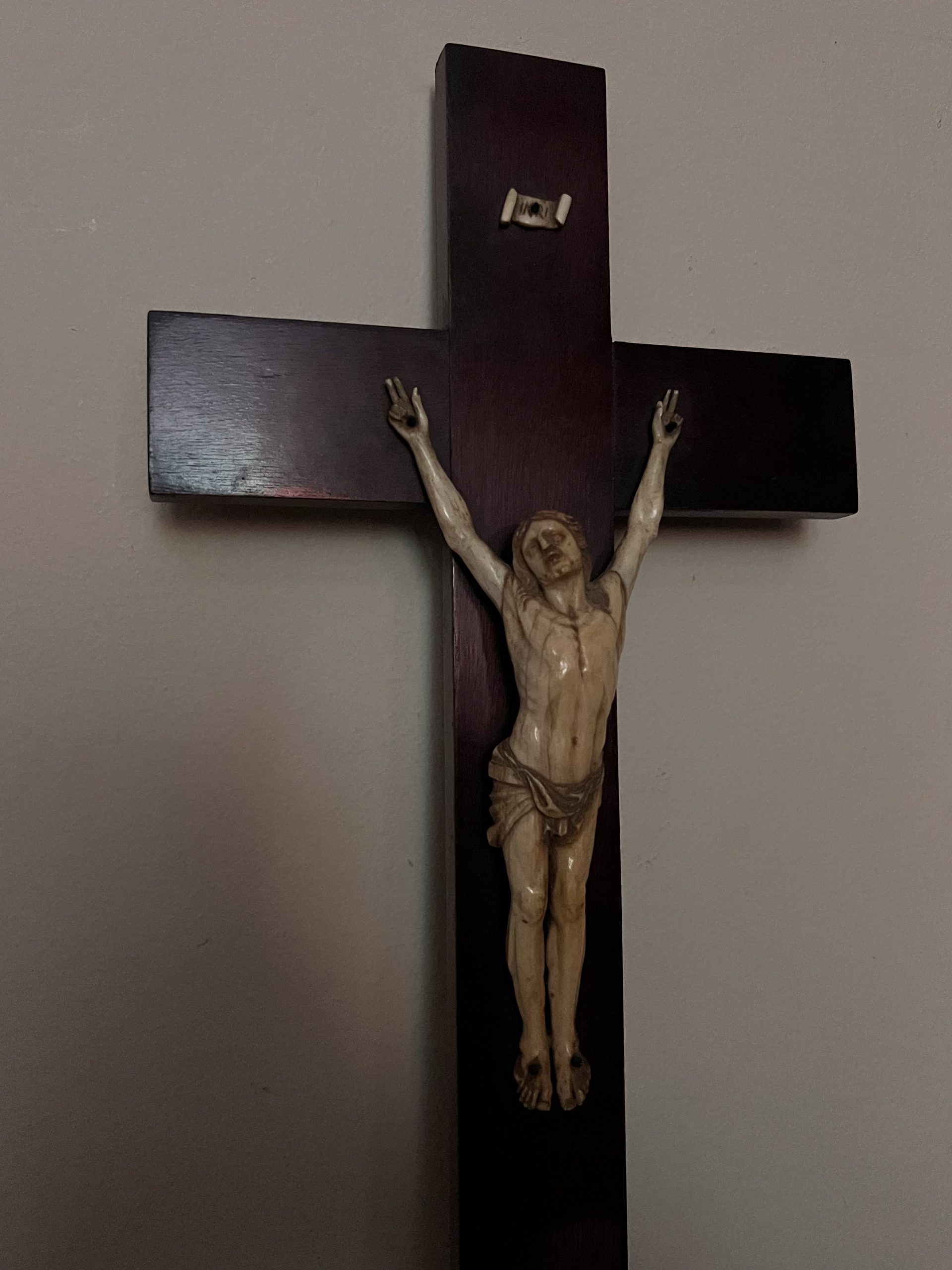
– Ivory cross
– Collection of rosaries

Photograph of the prayer by Lourdes Micallef.

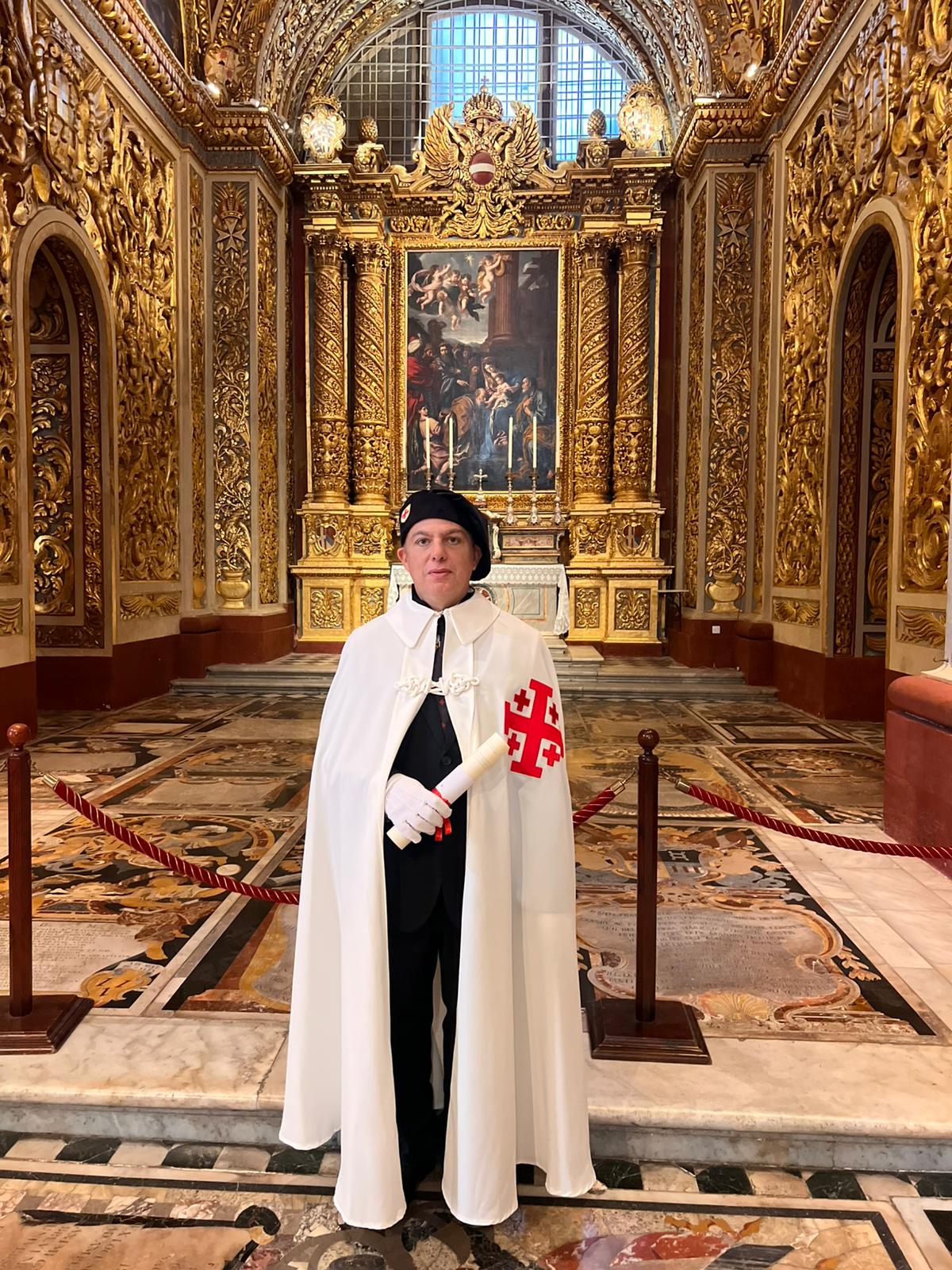
Photo of me as a Knight of the Equestrian Order of the Holy Sepulchre.

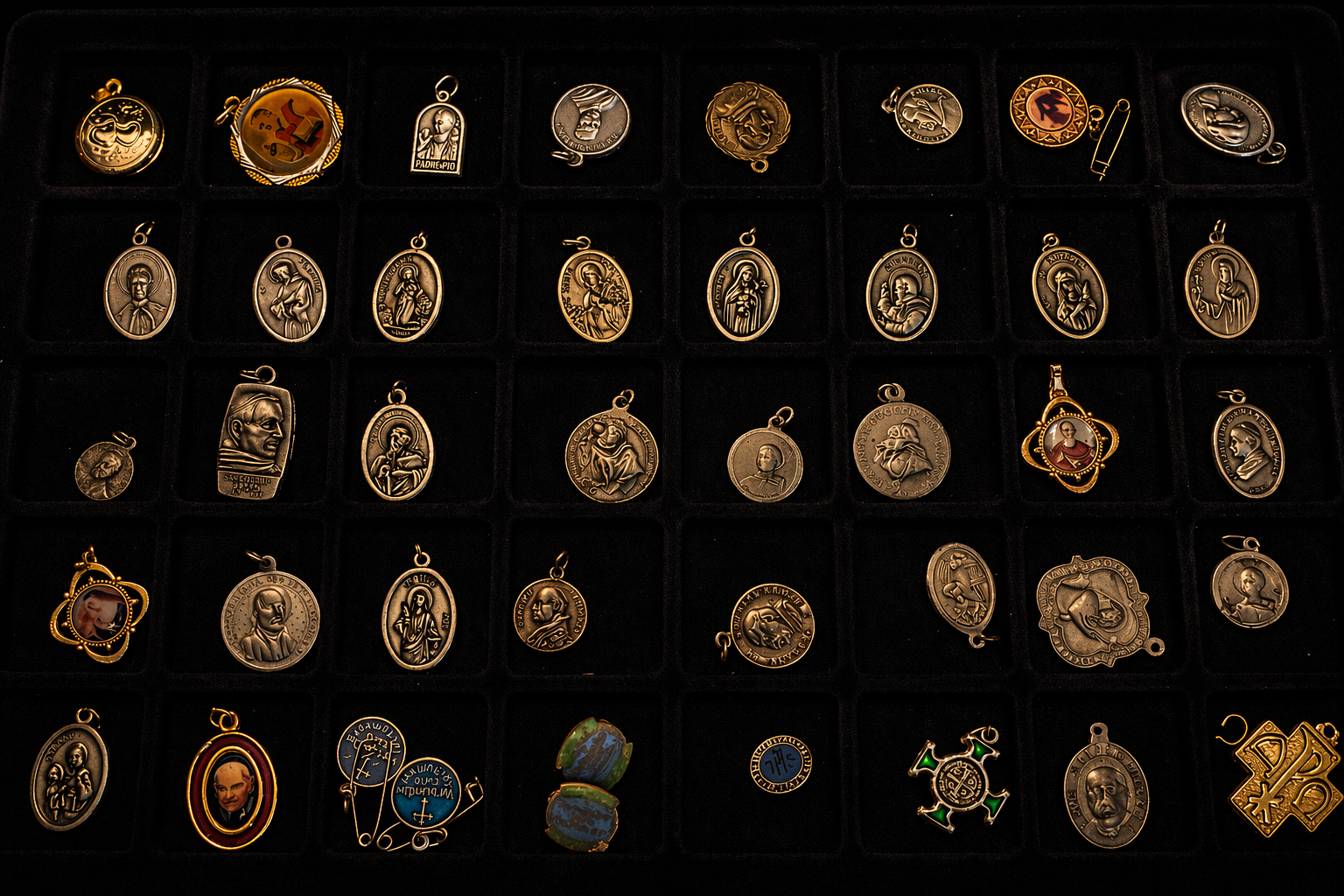
Some of my religious medals, the first four rows with ex-indumentis

Many Catholics are drawn to religious devotions and expressions of popular piety, particularly those associated with devotional sites such as Fatima and Medjugorje. These practices are especially widespread during Lent and on certain feast days in southern Europe, Latin America and the Philippines. At the same time, many Catholics also carry them out individually and on a personal level, as can be seen in numerous sacred places around the world. The Congregation for Divine Worship and the Discipline of the Sacraments has addressed this topic in its publication, the Directory on Popular Piety and the Liturgy.

It is worth noting that Matthew 6:6 is sometimes misunderstood. Jesus Christ criticises the Pharisees for practising religion publicly in order to gain admiration, rather than out of genuine devotion. However, he is not opposed to outward gestures; indeed, he acknowledged them on various occasions in the Gospel, from the anointing with perfume and the wiping of his feet with hair, to the events of his glorious sorrowful Passion.

For some people, gestures can serve as a starting point in their journey of faith, while for others they help deepen and elevate their spiritual life. Prayer on its own is by no means inferior; it is already deeply meaningful. Devotions such as the Rosary are powerful forms of prayer, through which one meditates on the Gospel with the guidance of Our Lady. Many saints have described the Rosary as a spiritual weapon.

There are also other practices commonly embraced by Catholics that can be beneficial for everyone, such as offering a daily inconvenience to God, showing patience in difficult moments, and occasionally fasting in a simple and healthy manner.

It is important to bear several points in mind. Acts of piety and external gestures should always be undertaken freely, not out of guilt. They should be physically safe and guided by sound formation, and, if necessary, by a spiritual director. Above all, they should flow from love, even if they involve a degree of personal challenge. Ultimately, when practised properly, acts of piety can also contribute to a healthy mindset, a balanced lifestyle, and a more positive approach to life.